 VIETNAMESE
PINEAPPLE LEAF FIBER – A SUSTAINABLE ALTERNATIVE TO SYNTHETIC FIBERS
The global textile industry is under increasing pressure to shift toward eco-friendly materials and reduce its reliance on synthetic fibers like polyester and nylon – petroleum-based textiles that take hundreds of years to decompose. In this context, pineapple leaf fiber is emerging as a viable, environmentally friendly, and locally sourced alternative.
Nội dung chính:
WHAT IS NATURAL PINEAPPLE LEAF FIBER?
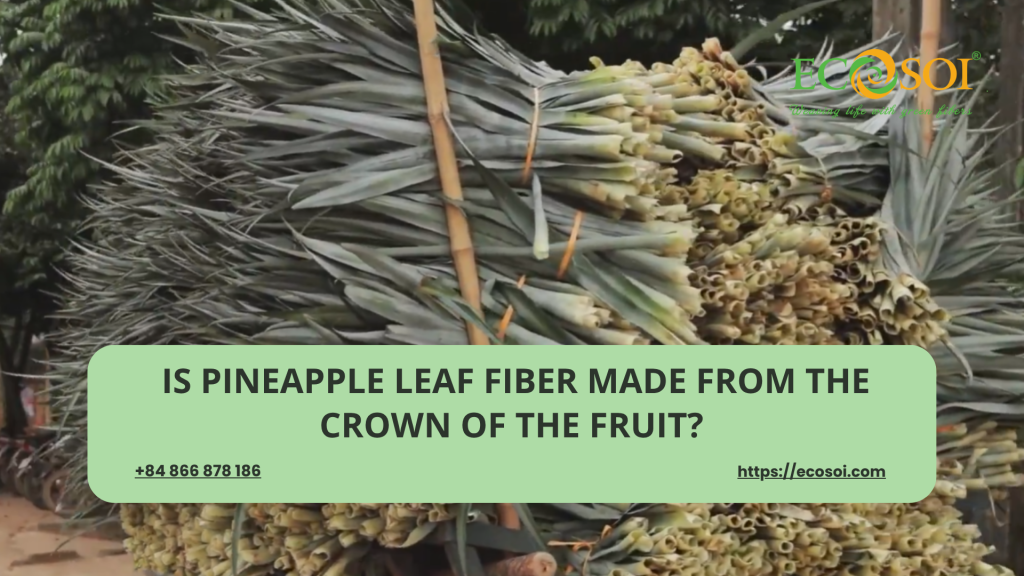
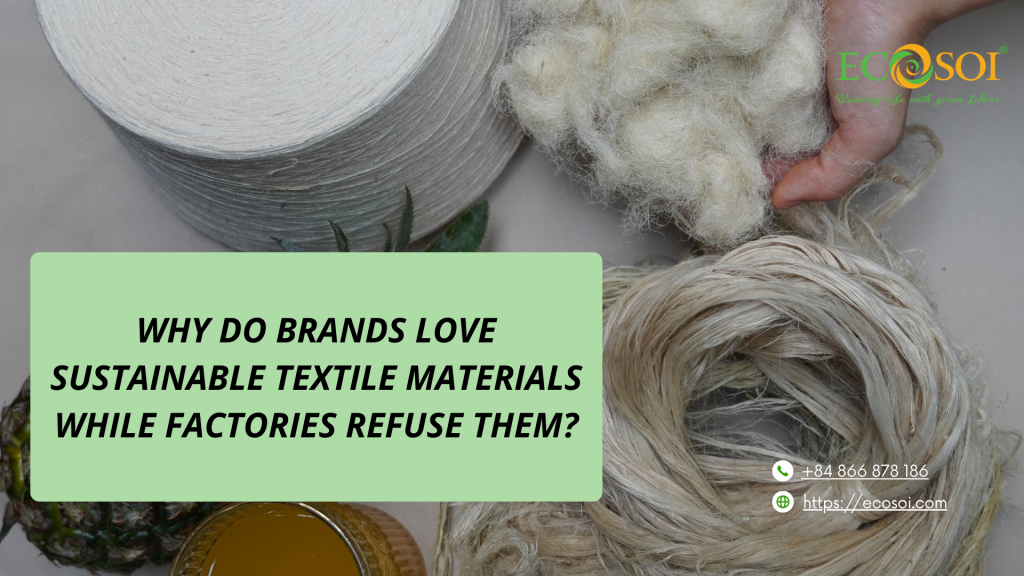
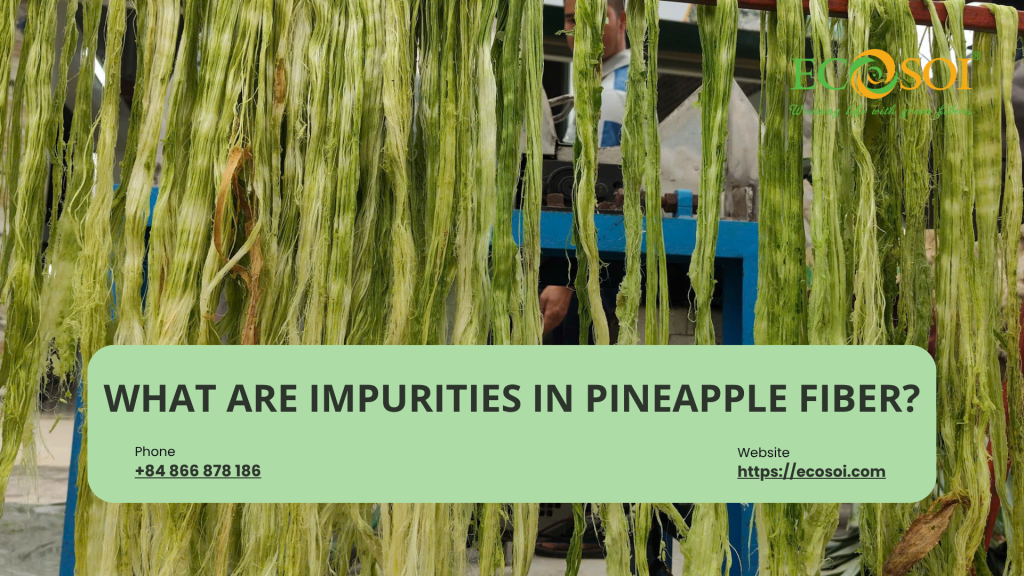
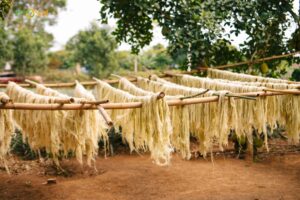
Natural pineapple fiber is extracted from the leaves of the pineapple plant, an agricultural byproduct that is often discarded after fruit harvesting. Instead of letting these leaves naturally decompose, modern technology has found ways to turn this abundant resource into a valuable raw material.
The production process involves extracting cellulose fibers from the leaves through mechanical and mild chemical methods, resulting in strong, soft, and fully biodegradable fibers.
WHY PINEAPPLE LEAF FIBER IS A SUSTAINABLE ALTERNATIVE TO SYNTHETIC FIBERS
For decades, synthetic fibers like polyester, nylon, acrylic, and polypropylene have dominated global textile production. However, behind their convenience and low cost lies a long trail of environmental and health concerns, making the search for sustainable alternatives more urgent than ever.
Significantly lower greenhouse gas emissions
Most synthetic fibers are derived from petroleum – a non-renewable resource. The extraction, processing, and production of these fibers consume large amounts of energy and release vast quantities of CO₂ and other greenhouse gases.
In 2022 alone, 47 million tons of polyester fibers generated around 125 million tons of CO₂e (carbon dioxide equivalent emissions).
In contrast, pineapple leaf fiber is made from agricultural waste via eco-friendly processes that produce substantially fewer carbon emissions. Research shows that producing 1 ton of fiber with 20% pineapple fiber and 80% cotton can reduce emissions by 5,675 tons of CO₂ compared to conventional synthetic fiber production.
Microplastic pollution on a global scale
Synthetic fiber clothing sheds millions of microplastic particles during washing and wear. These non-biodegradable particles easily enter waterways, marine ecosystems, and even the human food chain. According to UNEP, 35% of ocean microplastics come from the textile industry.
Pineapple leaf fiber eliminates this problem. When washed, it only releases natural cellulose particles that fully biodegrade, causing no harm to aquatic environments.
Potential health risks for humans
Some synthetic fibers retain residues of dyes, softeners, or flame-retardant additives that may irritate the skin or disrupt hormones after prolonged exposure. Furthermore, microplastics from clothing can be inhaled or ingested via food and water, posing long-term health risks.
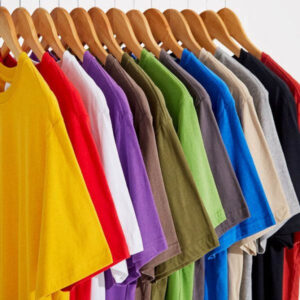
Pineapple fiber, naturally rich in tannins with antibacterial properties, is free from harmful chemicals, highly absorbent, and comfortable for the skin, providing a safe alternative for human use.

Poor biodegradability – increasing textile waste pressure
Synthetic fibers can take decades to hundreds of years to decompose. Most textile waste containing polyester, nylon, and similar materials ends up in landfills or incinerators, contributing to land pollution and toxic emissions.
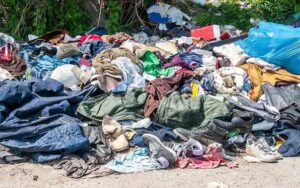
In stark contrast, natural pineapple leaf fiber biodegrades completely within 3–6 months, returning safely to the soil without leaving toxic residues, helping to ease the global textile waste crisis.
ECOSOI – A PIONEER SUPPLIER OF PINEAPPLE LEAF FIBER AND FABRIC IN VIETNAM
With a mission to drive the green transition in the textile industry, Ecosoi is one of the first companies in Vietnam to research, produce, and supply pineapple leaf fiber, yarn, and fabric – a renewable, natural, and eco-friendly material.

At Ecosoi, we believe big changes start with small choices – and material selection is where sustainability begins. We are committed to partnering with local and global businesses on their journey to replace traditional textiles with bio-based alternatives, building a fashion industry that is safer for people and kinder to the planet.
📩 Contact ecosoi for free samples and consultation
- Phone: 0393755150
- Email: [email protected]