 VIETNAMESE
Pineapple fiber fabric: A natural choice for a modern lifestyle
Nội dung chính:
Green living trends and the shift toward sustainable materials
In recent years, modern lifestyles have seen a strong shift toward environmentally friendly choices. Consumers now care not only about product quality but also about material origin, production processes, and environmental impact. As a result, natural materials such as pineapple fiber fabric are gaining increasing attention.
This is not a short-term trend. Environmental challenges—from climate change and water pollution to textile waste—have pushed the fashion industry to rethink its production models. Instead of relying on petroleum-based materials like polyester or nylon, brands are seeking natural, low-impact, and renewable alternatives. In this context, pineapple fiber fabric has emerged as a reliable solution that reflects a balanced combination of technology and agricultural resources.
What is pineapple fiber fabric?
Origin from agricultural by-products
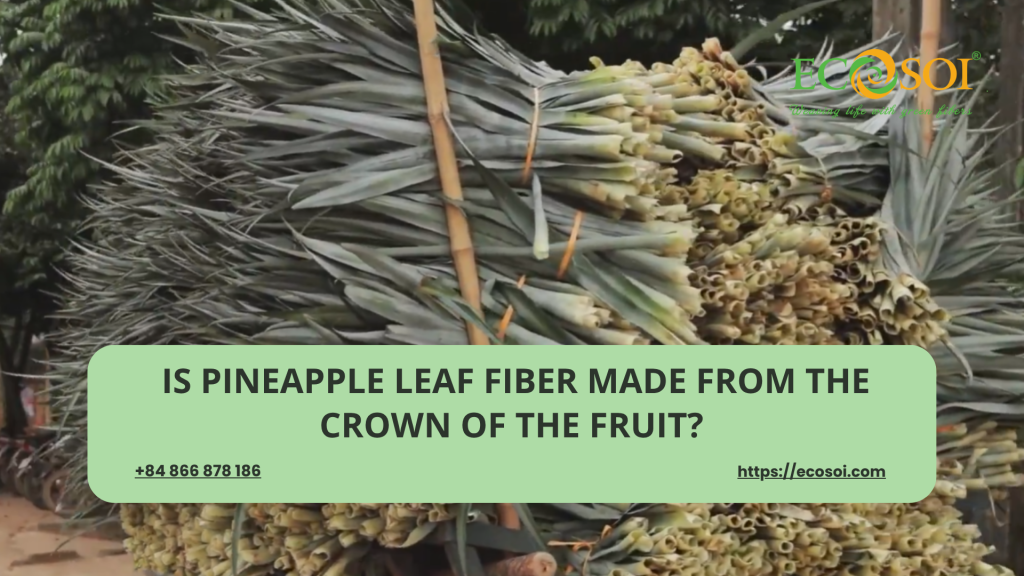
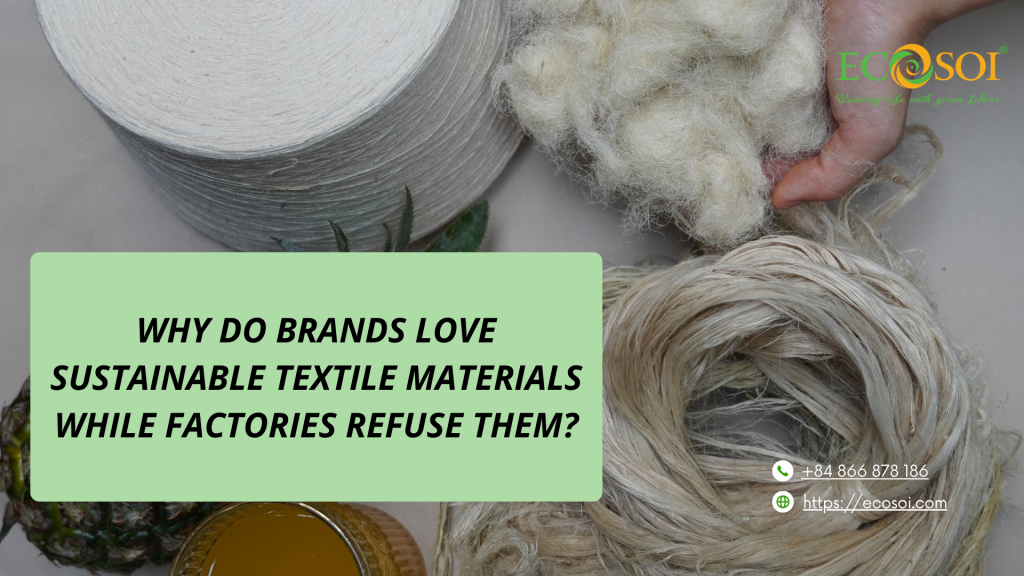
Pineapple fiber fabric, also known as Pineapple Leaf Fiber (PALF), is made from pineapple leaves, an agricultural by-product that is usually discarded after harvest. Instead of being left to decompose or burned, which creates emissions, pineapple leaves are collected for fiber extraction. This helps reduce agricultural waste and creates new economic value for farmers.

Pineapple fiber has been used in many Asian countries for hundreds of years. However, only in the past decade has it been widely applied in textiles, thanks to advances in processing technology that make the fiber softer, stronger, and more suitable for modern textile production.
The fiber extraction process from pineapple leaves
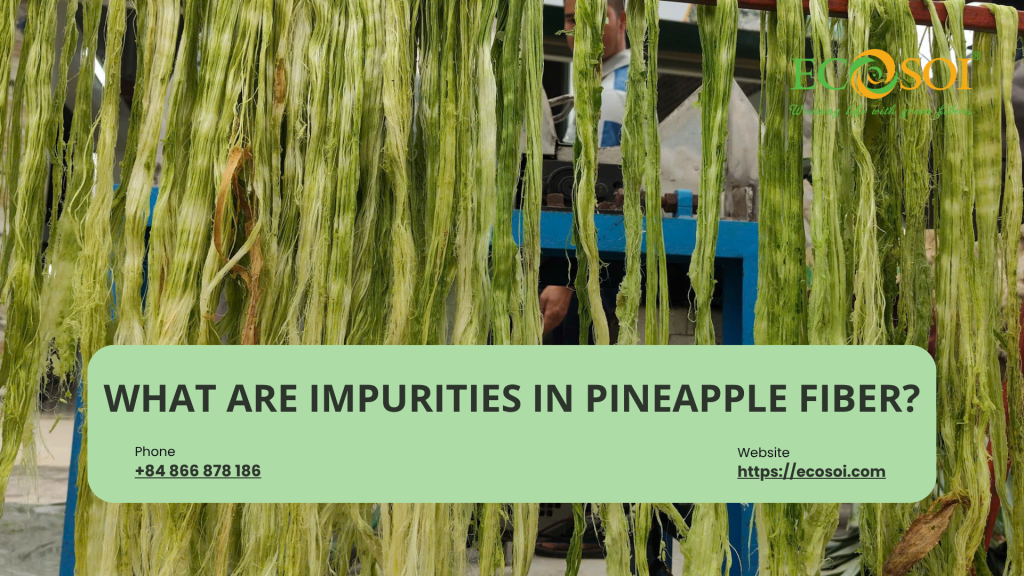
Traditionally, pineapple fiber extraction was largely manual. Today, mechanical and biological technologies help produce finer, cleaner, and more consistent fibers. The process includes:
- Collection and sorting of pineapple leaves
- Mechanical fiber extraction
- Washing and cleaning treatment
- Sun-drying or controlled drying
- Baling for the weaving stage
The cellulose fiber structure inside pineapple leaves provides high tensile strength, making it ideal for natural fabric applications.
Key properties of pineapple fiber
Pineapple fiber has several outstanding natural characteristics:
- Firm yet lightweight structure
- Good moisture absorption
- High breathability
- Soft natural sheen
- Full biodegradability in natural conditions
These qualities create a material that balances aesthetics and functionality.
Why pineapple fiber fabric fits modern lifestyles
Outstanding environmental value
Using pineapple fiber fabric helps reduce agricultural waste. The production process does not require additional farmland, as pineapple leaves are by-products. Moreover, pineapple fiber processing consumes significantly less water than cotton and does not release microplastics like polyester.
Economic and social value
Pineapple fiber fabric is not only eco-friendly but also brings strong economic and social benefits:
- Additional income for farmers
- Efficient use of local resources
- Development of new industries within the agricultural value chain

The growth of pineapple fiber fabric supports pineapple-growing communities by creating more stable and sustainable income sources.
Aesthetic value and user experience
Pineapple fiber fabric has a natural beauty that feels both organic and refined. Its soft sheen creates an elegant surface, well suited to minimalist, clean, and modern fashion styles. In addition, high breathability and moisture absorption provide comfort for daily use.

The future of pineapple fiber fabric in the textile industry
Today, many international brands are adding materials derived from agricultural by-products to their sustainability strategies. As a result, pineapple fiber fabric is expected to expand further, not only in fashion but also in other textile-related fields.
Alongside growing market demand, research centers and manufacturers are developing solutions to make pineapple fiber softer, easier to weave, and more compatible with industrial standards. These efforts are setting the foundation for strong future growth.
Contact Ecosoi for consultation on pineapple fiber materials
If you are looking for sustainable, high-quality natural fibers suitable for modern fashion, interior, and lifestyle products, Ecosoi is a trusted partner. With eco-friendly production processes, an experienced R&D team, and strong customization capabilities, Ecosoi provides comprehensive solutions from fiber and yarn to pineapple leaf fabric.
We are ready to support you with:
- Material consultation tailored to your target products
- Sample delivery and technical specifications
- Long-term collaboration throughout the production process
Ecosoi contact information:
Address: Ecosoi pineapple leaf fiber, yarn, and fabric – No. 7, D2–TT4, Bac Linh Dam, Hoang Mai District, Hanoi, Vietnam
Phone: +84 866 621 568 | +84 866 621 568 | +84 866 878 186
Website: https://ecosoi.com/
LinkedIn: bit.ly/Ecosoivaisoidua
The Ecosoi team believes that sustainable materials not only create differentiated products but also open a new future for the green textile industry. Connect with us to build long-term value for both business and the environment.
Pineapple fiber fabric – A symbol of sustainable fashion
Pineapple fiber fabric represents the modern lifestyle: natural, sustainable, aesthetic, and ethical. With its origin in agricultural by-products, eco-friendly production processes, strong economic and social value, and wide application potential, pineapple fiber fabric is becoming an ideal choice for a new generation of consumers—those who want to live green while still valuing quality and refinement.