 VIETNAMESE
Looking good is not enough – dressing “green” and “smart” is the new trend
Nội dung chính:
When fashion is not just about beauty – but responsibility
Fashion today reflects not only aesthetic taste but also the wearer’s awareness of the planet. As issues like climate change, water pollution, and microplastic waste become increasingly severe, the choice of sustainable materials has become an inevitable trend.
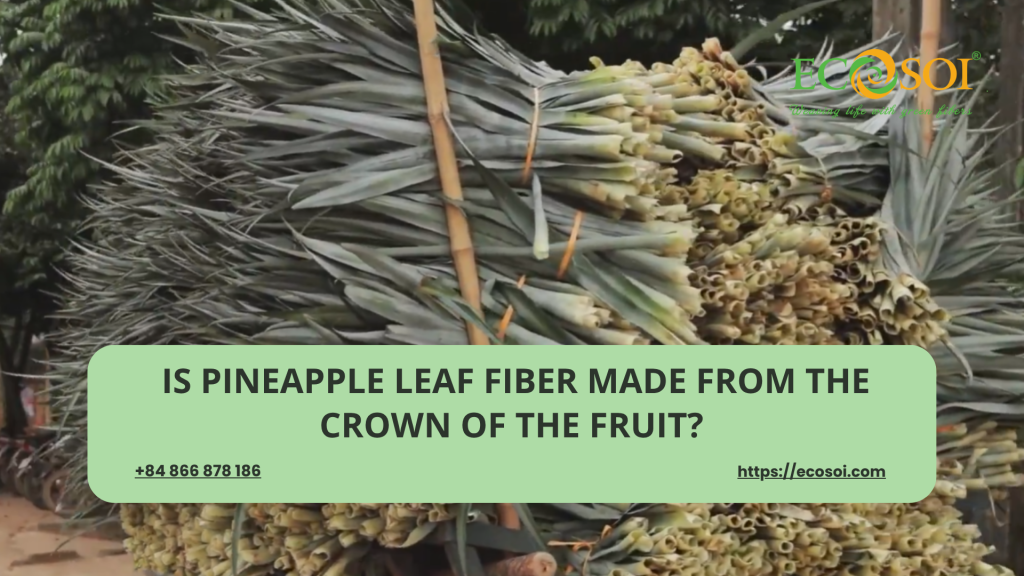
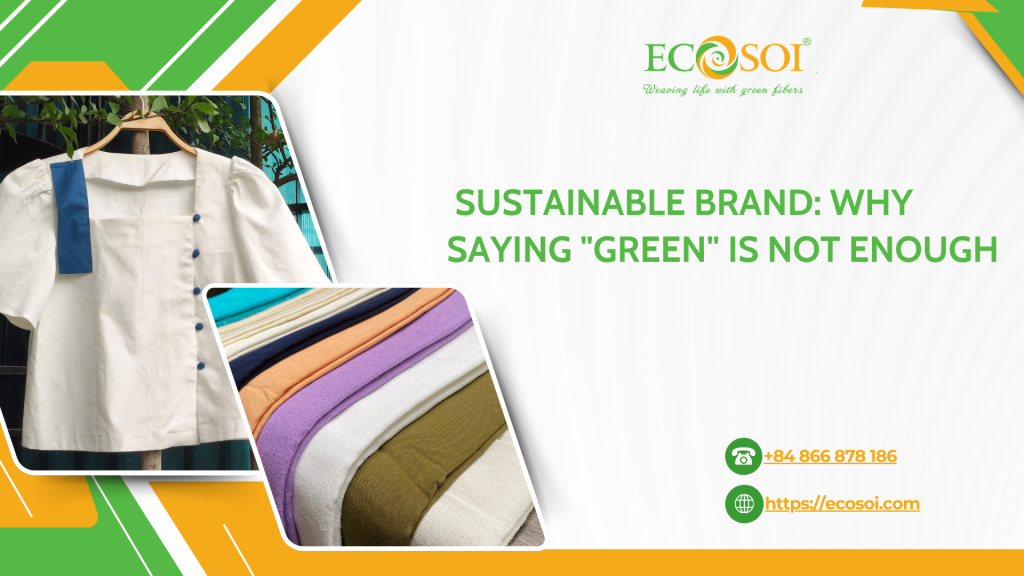
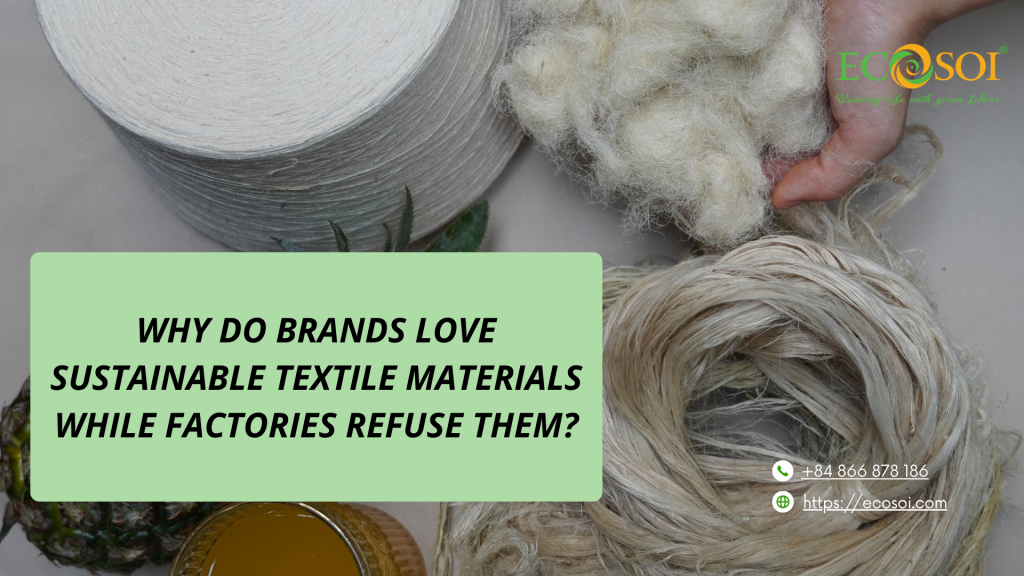
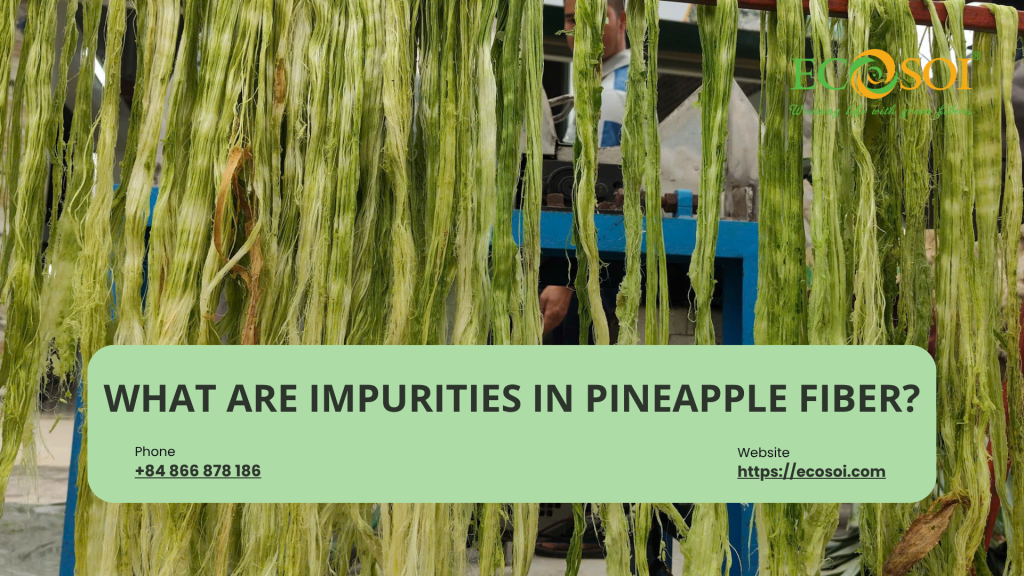
In this movement, Ecosoi Vietnam introduces a new solution – Ecosoi pineapple fiber, a fabric made from the natural fibers of pineapple leaves – a resource once discarded after each harvest season. By regenerating pineapple leaves into textile fibers, Ecosoi not only creates an eco-friendly material but also helps reduce agricultural waste and CO₂ emissions into the atmosphere.

Real impact from every “green” choice
Based on Ecosoi’s actual production process and data referenced from international textile organizations, Ecosoi pineapple fiber shows clear advantages in saving resources and reducing emissions compared with conventional fabrics.
Significant water savings in production
Unlike cotton – which requires large amounts of water for cultivation and processing – pineapple fiber is extracted from post-harvest leaves, requiring no irrigation, fertilizer, or agricultural chemicals. By making use of available agricultural by-products, Ecosoi’s production process saves up to 70% of water compared to traditional fabrics while also minimizing water pollution in the treatment process.

Reducing CO₂ emissions and energy consumption
Reusing pineapple leaves instead of cultivating new raw materials helps eliminate most indirect emissions from agricultural activities and reduces the energy needed for processing. Compared with materials such as synthetic fibers or cotton, the carbon footprint of Ecosoi pineapple fiber is significantly lower, reflecting real effectiveness in reducing greenhouse gas emissions in the textile industry. This fiber helps reduce up to 60% of CO₂ emissions during production. Notably, just one ton of pineapple–cotton blended fiber can help cut 5.675 tons of CO₂ – an impressive figure.

Positive impact on the ecosystem
By utilizing natural resources, Ecosoi pineapple fiber helps reduce the amount of agricultural waste burned or discarded while limiting the generation of microplastics – one of the most serious pollutants affecting soil and oceans. This environmentally friendly process demonstrates how innovation in materials can create sustainable benefits for both people and nature.
At Ecosoi, our commitment to sustainability goes beyond messages – it is reflected in transparent production processes and a long-term vision for the environment.
The material of the future – friendly, comfortable, and safe
Today’s consumers care more about the overall experience: not only looking good but also feeling safe and connected to the environment. That is why Ecosoi focuses on developing Ecosoi pineapple fiber not only for its ecological performance but also for its usability and comfort when worn.
Gentle and safe for the skin
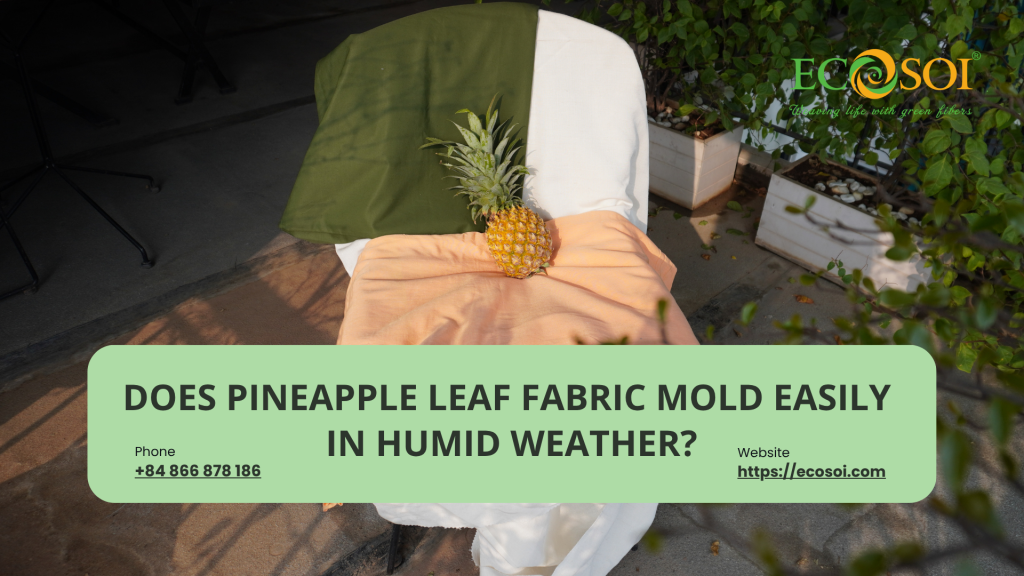
Pineapple fiber is extracted entirely from natural leaves – without the use of harmful chemicals – making it especially suitable for sensitive skin. Its natural fiber structure allows air circulation, helping the skin “breathe” and stay cool and comfortable even in hot, humid weather.
Superior odor control (95.6%) – for an active day
Thanks to the natural antibacterial properties of cellulose fibers, Ecosoi pineapple fiber helps prevent the growth of odor-causing bacteria, keeping garments dry and fresh throughout the day. This makes the material particularly suitable for sportswear and everyday clothing.
Effective sun protection with UPF 50+
The surface structure of the fiber naturally reflects ultraviolet rays, helping protect the skin from harmful sunlight. As a result, garments made from Ecosoi pineapple fiber are not only comfortable and stylish but also help protect the wearer’s health in tropical climates like Vietnam.

No microplastics, 100% biodegradable
Unlike synthetic fabrics such as polyester or nylon – which cause microplastic pollution in oceans – Ecosoi pineapple fiber is fully biodegradable under suitable environmental conditions. This helps reduce persistent waste and protect both marine and agricultural ecosystems.
By combining ecological performance with wearer comfort, Ecosoi pineapple fiber is regarded as one of the most promising materials for the future of sustainable fashion. It opens a new path for the textile industry – where technology, nature, and people coexist in harmony.
The “green” journey of fashion with Ecosoi
At Ecosoi, every meter of fabric and every thread tells the story of building a greener fashion industry. This journey starts not only from materials but also from the collaboration between farmers, manufacturers, and conscious consumers.
Ecosoi works with pineapple-growing regions in Vietnam to collect discarded leaves after harvest and turn them into textile fibers. This approach not only creates new economic value for farmers but also reduces agricultural waste and promotes a circular economy in the textile industry – where every resource is efficiently reused.
Alongside production, Ecosoi continues to invest in research and development (R&D) to optimize processes, reduce energy use, and improve fiber quality. The company’s goal is not only to create sustainable products but also to build a responsible and transparent supply chain that meets international green development standards.
Conclusion
With a long-term vision, Ecosoi aims to contribute to positioning Vietnam as a regional hub for sustainable natural fiber production in Southeast Asia – where fashion not only celebrates beauty but also embodies environmental commitment.
By choosing products from Ecosoi, consumers are not simply buying clothes – they are joining a journey to redefine the true value of fashion, shifting from consumption to companionship with the planet.