 VIETNAMESE
Linen vs pineapple fiber: Which sustainable fabric is the trend?
Are you looking for an eco-friendly, safe material with strong brand value? Between traditional linen and pineapple fiber, which is the emerging trend in sustainable fashion? Let’s explore the characteristics of both so you can make the right choice more easily!
Nội dung chính:
Linen – classic fabric with lightness and excellent absorbency
Origin
Linen is woven from the fibers of the flax plant, a long-cultivated crop. Flax can adapt well to various climates and generally requires less water and pesticides compared to conventional cotton. Its fiber processing method is more natural than many other fibers.

Outstanding advantages
- Cool and breathable – Ideal for hot, humid climates. Linen absorbs sweat quickly, offering a comfortable wearing experience with a rustic yet elegant appearance.
- Durable – Stronger than cotton and retains its shape well after multiple uses.
- Gets softer over time without pilling or becoming stiff like some synthetic fibers.
- Fully biodegradable – At the end of its life cycle, linen can decompose naturally without harming the environment.
- Natural antibacterial properties thanks to a fiber structure that resists bacterial growth.
Points to consider
- Prone to wrinkling, requiring frequent ironing to maintain a neat appearance.
- Higher cost than cotton due to the complex, time-consuming flax processing.
- Not the best choice for long-term color retention or extreme durability in harsh conditions.
Pineapple fiber – regenerative, modern, and strong
Origin
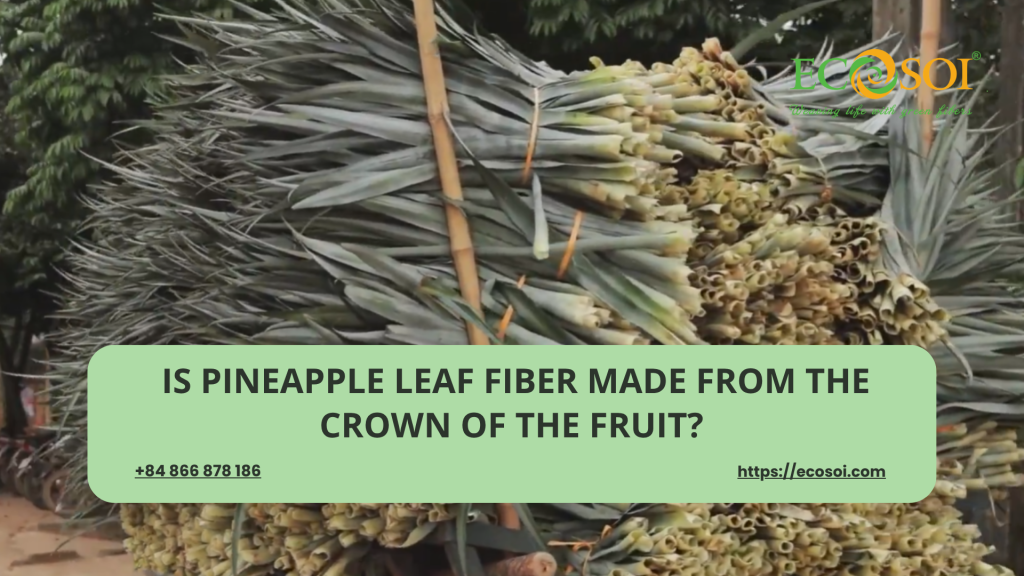
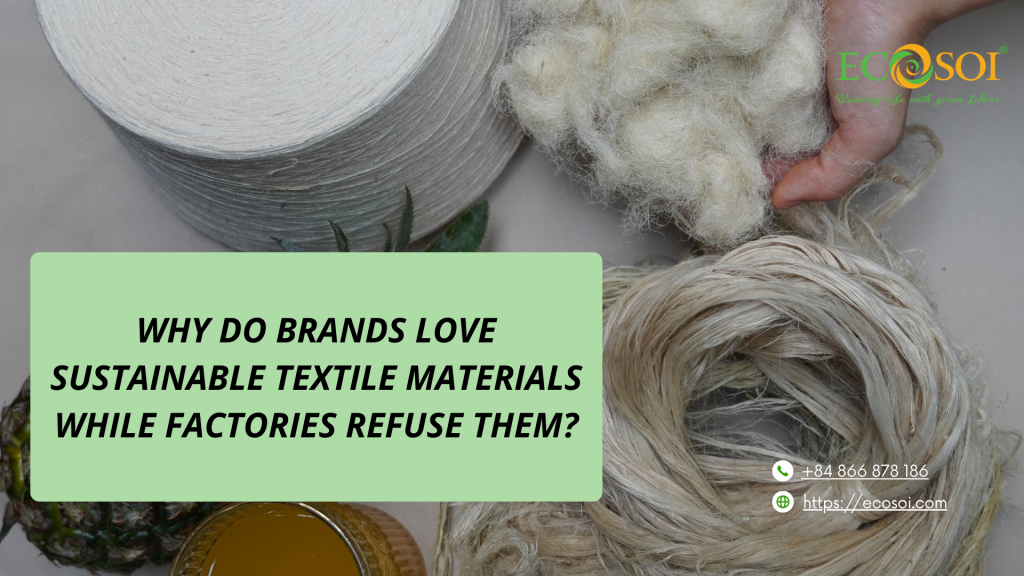
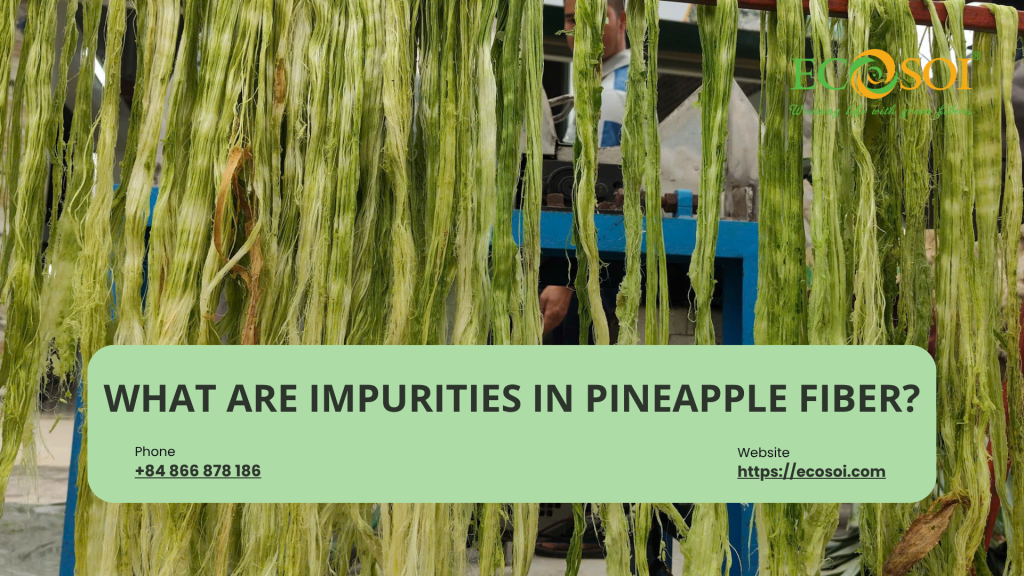
Pineapple fabric is woven from pineapple leaves – an abundant agricultural by-product after each harvest. Instead of being discarded or burned (causing pollution), pineapple leaves are collected to create sustainable, biodegradable fibers.

Outstanding advantages
- Made from agricultural waste – Helps reduce waste, is eco-friendly, and requires no additional land, water, or chemicals.
- Supports farmers’ livelihoods – Increases income and promotes sustainable rural economies.
- High technical performance – Easy to dye, excellent color retention, resistant to fading and shrinking, enabling diverse and creative applications.
- High tensile strength – Low elasticity, maintains form, and resists deformation even after repeated washing or use.
- Moderate absorbency and breathability – With natural antibacterial properties, especially suitable for sensitive skin.
- Unique style – Soft natural sheen, often with visible pineapple leaf grain, giving a luxurious yet nature-inspired look.
- Fully biodegradable – Requires no harmful chemicals in the processing stage.
Points to consider
- Can feel slightly stiff at first, but softens over time while maintaining durability.
- Price is currently higher than some industrial fabrics like polyester. However, in the B2B market for sustainable fashion, this is increasingly seen as a worthwhile investment.
Linen vs pineapple fiber – practical comparison
| Criteria | Linen |
Pineapple fiber |
|
Origin |
Fiber from the stem of the flax plant | Pineapple leaves – an agricultural by-product that would otherwise be discarded |
|
Absorbency & breathability |
Excellent moisture absorption and breathability, ideal for hot climates | Good absorbency and breathability with natural antibacterial properties |
|
Durability |
Stronger than cotton and lightweight, but wrinkles easily | Higher tensile strength than linen, maintains form and durability over time |
|
Style |
Elegant, soft, and traditional | Unique, luxurious, and nature-inspired with a green identity |
|
Price |
Medium to high | Higher, but stable; long-term savings by utilizing agricultural waste |
|
ESG (green & sustainable) |
Renewable material, uses less water and chemicals than cotton; 100% biodegradable; can grow on poor soils | Maximizes agricultural waste use, saves water, reduces environmental impact, certified to reduce CO₂ emissions |
Linen & pineapple fiber – the future of sustainable fashion
The answer to “Linen vs pineapple fiber: Which one is the trend?” is not simply choosing one over the other. In reality, both linen and pineapple fiber fabrics have important roles to play in the future of sustainable, eco-friendly fashion.
Linen will continue to be a go-to choice for everyday clothing thanks to its practicality and reasonable cost. Pineapple fiber will carve out its place in premium products and special applications that require high technical performance.
Most importantly, the emergence and growth of both materials mark a major step forward in building a truly sustainable textile industry. For businesses, understanding the unique characteristics and potential of each material will help make informed investment and product development decisions.
The future of sustainable fashion is not a race between materials, but a harmonious combination of multiple green solutions to create an industry truly responsible to the environment and society.
Ecosoi – Vietnam’s leading supplier of sustainable pineapple leaf fiber solutions
As a pioneering company in Vietnam producing high-quality pineapple fiber, Ecosoi is committed to partnering with businesses on their sustainability journey:
- Premium quality – Ecosoi’s pineapple fibers come in diverse designs, textures, colors, and surface finishes.
- Stable & transparent supply – A tightly controlled supply chain from raw materials to final product.
- Custom solutions – We understand that every brand has unique needs. Ecosoi is ready to co-develop customized pineapple fabrics tailored to specific design and application requirements.
- Professional support – Our technical and business teams are always ready to advise and support partners.
Conclusion
Linen remains a valuable choice in fashion for its softness, absorbency, and timeless elegance. Pineapple fiber, however, is emerging as a green, durable option with a strong brand story – particularly suited to businesses aiming for sustainable growth.
Will pineapple fiber replace linen entirely? No – each has its own strengths. Combining both can deliver products that are both durable and soft.
Let’s work with Ecosoi to shape a sustainable future for the textile industry with smart, eco-friendly materials!
Are you looking for a reliable, high-quality, and sustainable source of pineapple fiber/fabric? Contact the Ecosoi team today!