 VIETNAMESE
Exploring the export potential of banana fiber: An opportunity for the sustainable fashion industry
More than just a familiar fruit, the banana plant also offers a green source of raw material from its stems after harvest. Utilizing this agricultural byproduct to produce banana fiber is opening significant opportunities for the global textile and biobased materials industries.
With the growing trend toward waste reduction and sustainable sourcing, banana fiber is emerging as the “new star” in the supply chains of green fashion, biobased packaging, and eco-friendly interior products.
Nội dung chính:
What is banana fiber?
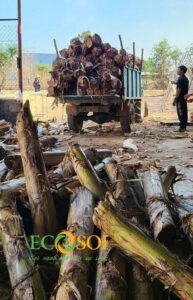
- Banana fiber is produced from the stem of the banana plant – a part that is often discarded or burned after each harvest.
- The production process requires no additional land, water, or chemicals, reducing pressure on the environment.
- It is a renewable resource that makes effective use of agricultural waste and creates new economic value for farmers.
Key advantages of banana fiber
Eco-friendly and sustainable
- Sourced from agricultural byproducts, helping to reduce waste.
- No pesticides or harmful chemicals are required during extraction.
- 100% biodegradable, leaving no pollution at the end of its lifecycle.
High durability and quality
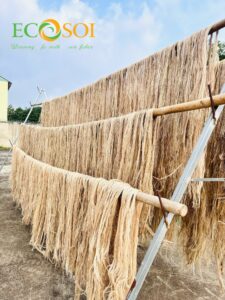
- Naturally strong structure with high tensile strength and long-lasting shape retention.
- When woven into fabric, banana fiber holds its form well, resists wrinkles, retains color, and lasts for years.
- Suitable for producing high-durability goods such as bags, shoes, carpets, curtains, and biobased packaging.
Building green brand value
- Products made from banana fiber have a clear origin story linked to environmental protection and farmer livelihoods, making them easy to communicate to international customers.
- Helps businesses differentiate from traditional materials such as cotton and polyester.
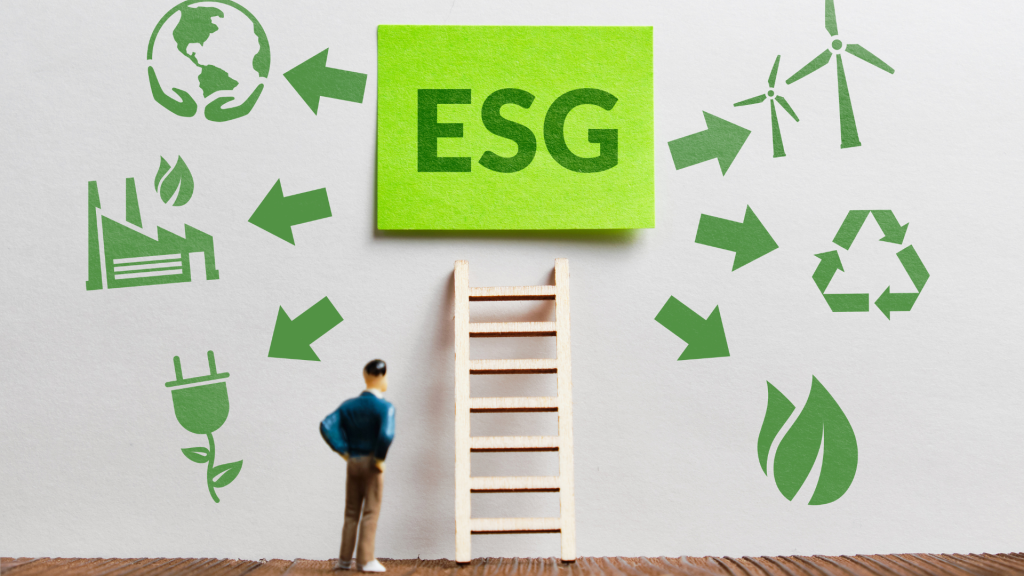
- Supports B2B companies in enhancing their ESG image, attracting partners and consumers who care about sustainability.
Versatile applications
- Fashion: Sustainable clothing, bags, accessories.
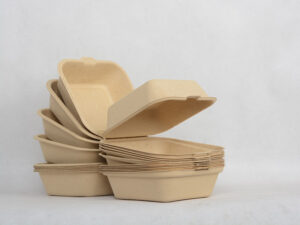
- Biobased packaging: Bags, boxes, wrapping paper, single-use plastic alternatives.
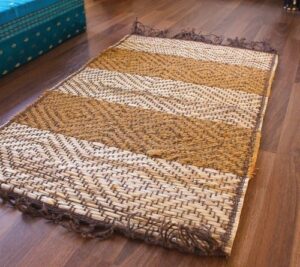
- Interior: Rugs, curtains, decorative partitions.
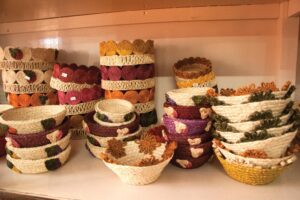
- Handicrafts: Homeware, export décor products.
Strong export potential in global markets
- Rising global demand: Major brands are seeking alternatives to cotton and synthetic fibers to reduce emissions.
- Expanding markets: The EU, USA, Japan, South Korea, and many Asian coutries are increasing imports of natural fibers.
- Vietnam’s advantages:
- Abundant banana supply available year-round.
- Competitive production costs.
- Proximity to major textile export hubs, facilitating logistics.
- Growth forecast: Demand for banana fiber and related products is expected to grow strongly in the coming years, creating million-USD export opportunities for Vietnamese businesses.
Ecosoi – your trusted banana fiber supplier in Vietnam
Ecosoi is a pioneer in the research and production of banana fiber for export, committed to supporting B2B partners with:
- Stable and flexible supply: A wide and sustainable network for sourcing raw banana stems ensures continuous supply for large orders, with flexibility in fiber specifications (length, fineness, weight) and order quantity.

- High and consistent quality: Investment in advanced processing and spinning technology, combined with strict quality control, ensures banana fiber with purity, durability, color consistency, and technical properties meeting customer needs.
- Partnership for growth: More than just a supplier, Ecosoi aims to co-develop markets and innovative product lines using unique and sustainable banana fiber.
Conclusion – Banana fiber, a green opportunity for B2B businesses
Banana fiber is a natural, sustainable material in high global demand. With its environmental benefits, durability, clear brand story, and wide applications, it offers an attractive export opportunity for businesses aiming to enhance product value and align with the green trend.
Contact Ecosoi today for tailored banana fiber solutions for your international markets.