 VIETNAMESE
WHY DO WE BUY SO MANY CLOTHES BUT STILL HAVE NOTHING TO WEAR?
You open your wardrobe and see lots of new clothes. Yet, you still cannot decide what to wear. One shirt was on sale. One dress has only been worn once. These items are still there, but not all of them suit your daily needs.
Buying many clothes but having nothing to wear is not just about quantity. It also reflects how we choose, use, and value each item. So, why does our wardrobe keep growing while choosing an outfit remains difficult? And how does this habit relate to sustainable fashion?
Nội dung chính:
Why do we buy so many clothes but still have nothing to wear?
Buying what we like is not the same as buying what we need
A beautiful shirt can make us want to buy it right away. However, liking something in the store does not mean it will suit our daily lives.
For example, you may buy a dress because you love its design. But once you get home, you may find it hard to match with your shoes and accessories. As a result, you rarely wear it.
Sales can also shift our focus. We may think more about how much money we save than whether we need the item. However, a discounted item is still an unnecessary expense if we never use it. The problem is not buying new clothes. It is the gap between why we buy an item and the value we get from using it.
Individual items do not always make a useful wardrobe
A shirt may look great on its own. However, if it is hard to match with other clothes, you may not wear it often. In contrast, a simple shirt may suit many occasions. It may also work well with clothes you already own.
Therefore, think about your whole wardrobe when shopping. Instead of asking, “Does this look good?”, also ask, “What can I wear it with?”
New clothes do not always solve old problems
Sometimes, we shop because we feel unhappy with the clothes we already own. However, buying more may only fill our wardrobe if we have not found the real problem.
For example, you may struggle to find something suitable for work. The issue may be a lack of basic workwear, not a lack of clothes in general. Therefore, understanding your needs matters more than constantly adding new items.
What can a full wardrobe waste?
Money, space, and time
Every item costs money. Clothes also take up storage space and need care. When we buy items that we rarely wear, we use space for things that add little value to daily life. However, an item is not wasteful simply because we wear it less often. Party outfits and seasonal clothes may be useful even if we wear them only a few times a year.
The bigger concern is buying items without a clear purpose and then leaving them unused for a long time.
Waste also starts during production
Before clothes reach shoppers, they pass through several stages. These may include yarn production, fabric making, dyeing, sewing, and transport. Each stage can use raw materials, water, and energy. Therefore, clothes that are made but rarely worn raise questions about how well we use these resources.
Buying an item we do not need may also add to demand for new products. When this habit spreads across many people, the resources used to make those products deserve closer attention.
How can we buy clothes that suit our needs?
Know what you need before you shop
First, look at the clothes you wear most often. Do you need outfits for work, social events, or outdoor activities? Next, identify what is missing. This can help you avoid buying items that only differ in color or style but add little value to your wardrobe.
Before paying, ask yourself three questions:
- Do I really need this item?
- Can I match it with clothes I already own?
- When and where will I wear it?
These questions are not meant to make shopping difficult. Instead, they help you think before you buy and reduce impulse purchases.
Choose usefulness over trends
A trendy item may excite you for a short time. However, you may rarely wear it if it does not suit your style or daily routine. Therefore, consider the design, fabric, and care needs before buying. Clothes that suit your real needs are more likely to get regular use.
In addition, look at quality rather than price alone. A high price does not always mean better durability. Likewise, a low price does not automatically mean poor quality. What matters is how well the item works, how well it is made, and whether it meets your needs.
Make better use of the clothes you own
You do not always need to buy new clothes to create more outfit options. Try combining existing items in new ways. You can also repair clothes with minor damage. For example, one pair of trousers may work with several shirts. A shirt may also suit both office wear and casual outfits.
If some clothes no longer suit you but remain in good condition, consider swapping, reselling, or donating them. However, reuse and recycling are not the same. Collecting old clothes does not mean that someone will turn them into new fibers. Recycling depends on the material blend, fabric structure, and available processing technology.
How does fabric affect the value of clothing?
When choosing clothes, we often focus on design and color. However, fabric also affects comfort, care needs, and durability. A fabric that works well for a shirt may not suit a bag. Likewise, a fabric for daily wear may not work well for a garment that needs to hold a firm shape. Therefore, no single fabric suits every purpose.
Are natural fibers always better?
Natural fibers can offer useful properties. However, we cannot say that all natural fibers are better than synthetic ones in every situation. Environmental impact also depends on the raw material, processing, dyeing, and finishing. Product durability, length of use, and end-of-life options matter too.
Blended fabrics can meet certain needs, such as stretch or structure. However, mixing different fibers can make sorting and recycling more complex in some processes.
Therefore, consumers should check fiber content and care instructions. They should also choose fabrics based on their needs, rather than relying only on labels such as “natural” or “eco-friendly.”
Pineapple fiber: a material that needs the right application
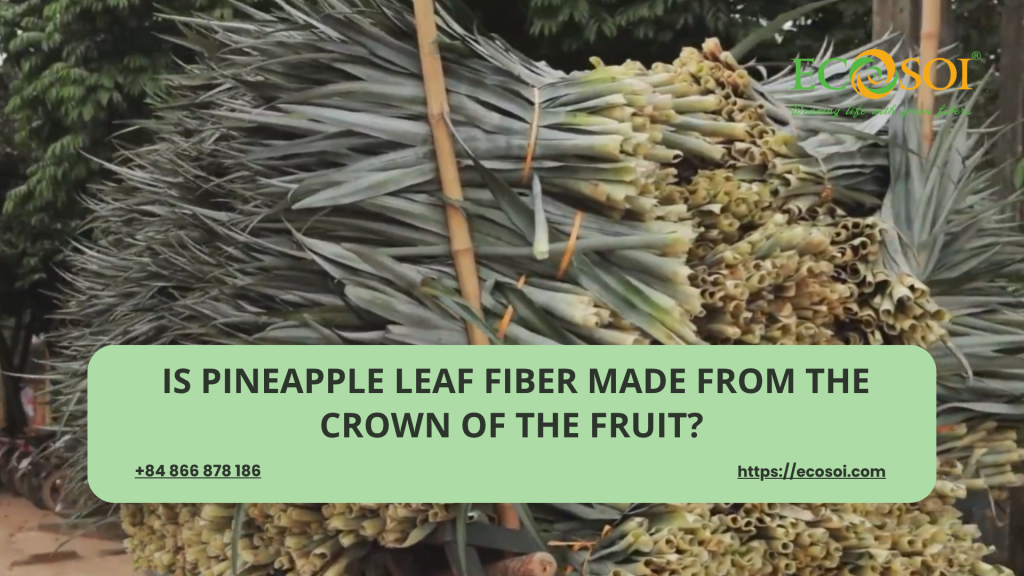
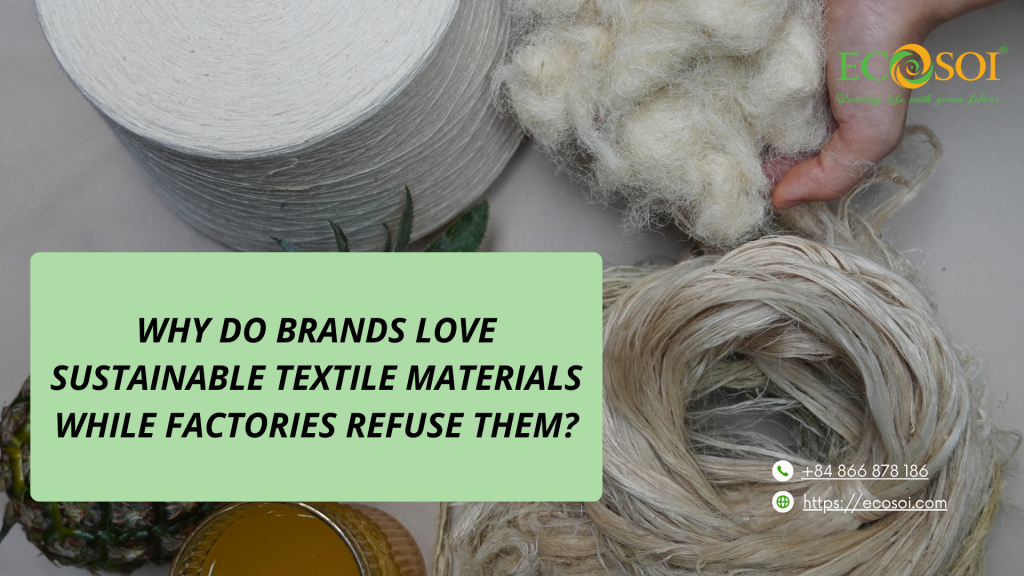
Pineapple fiber comes from pineapple leaves, a by-product of fruit harvesting. Using these leaves creates another possible source of raw material for the textile industry.
Ecosoi develops fibers, yarns, and fabrics from pineapple leaves. These materials may suit different uses, depending on their composition and fabric structure. Explore the Ecosoi pineapple fabric range to learn more.

However, using an agricultural by-product does not prove that a product has a lower environmental impact than every other fabric. A fair assessment needs to consider its composition, production process, performance, and end-of-life options.
For businesses, testing samples before large-scale production can help show whether a fabric suits the design and technical needs.
How can fashion businesses reduce waste?
Consumers are not the only ones who can help reduce waste. Businesses can also take action during product design and development.
First, they should define the product’s purpose. Designs should meet customer needs, rather than create new items simply to follow trends.
Next, businesses should choose materials based on technical requirements. Sourcing teams need to check fiber content, specifications, consistency, and supply capacity.
In addition, businesses should share clear and accurate information. Environmental claims need suitable evidence. A material from a natural source does not automatically mean that the product has an environmental certification.
Finally, businesses should collect feedback after launch. Data on defects, customer satisfaction, and repeat purchases can help improve future designs.
A product has value not only because it uses a new material, but also because it meets real needs and gets used as intended.
Change shopping habits to get more value from clothes
So, why do we buy so many clothes but still feel that we have nothing to wear? The answer is not just the number of items in our wardrobes. It also depends on how we identify our needs, combine outfits, and judge the value of each item.
For consumers, start by understanding what you already own. Then, add only the items you need and can use in your daily life.
For businesses, develop products around real needs. Choose suitable materials and provide information that customers can check.
Sustainable fashion is not just about buying a product labelled “green.” It also depends on how people design, use, and handle products when they no longer need them.
Instead of asking what to buy next, ask yourself one question: Are we getting the full value from the clothes we already own?
Learn more about Ecosoi and its work with natural textile materials.