 VIETNAMESE
HOW TO RECYCLE OLD CLOTHES: WHAT HAPPENS NEXT?
Old clothes do not always have to become waste. You can repair, exchange, or reuse a garment when you no longer want to wear it. In some cases, you can also recycle its fabric into new materials.
However, recycling old clothes does not mean every fabric can become new clothing. The result depends on the fabric, the garment’s condition, and the technology available. So, what can you do with clothes at the end of their useful life?
Nội dung chính:
How can you recycle old clothes?
Before throwing away a garment, check its condition. Then, choose the best option for it.
Repair clothes and wear them longer
If a garment has a loose seam, a missing button, or a small tear, try to repair it. This simple step helps you wear it for longer. It also avoids the need to make a new product.
Even clothes that look old-fashioned may still be useful. For example, you can replace buttons, shorten a hem, or change the fit. As a result, an old garment may better suit your needs.
Exchange, donate, or resell clothes
If clothes are clean, intact, and still wearable, you can pass them on to someone else. For instance, you could sell them second-hand, exchange them, or donate them.
The European Environment Agency (EEA) places reuse ahead of recycling in textile waste management. Reuse keeps a product in use. Recycling, by contrast, often requires extra steps to turn it into new material.
However, donations only help when people need the clothes. Sort out garments that are badly damaged or mouldy.
What can old clothes become if you cannot wear them again?
Some clothes no longer suit their original purpose. However, you may still find another use for their fabric. The right choice depends on the material and its condition.
Turn old fabric into new products
You can use fabric in good condition to make small bags, cleaning cloths, decorations, or accessories. This lets you reuse the material without breaking it down into fibers.
You can also join fabric pieces to create new products. Designers often call this process upcycling. It gives used materials a new purpose or function.
However, consider the product’s strength, cleanliness, and intended use. Not every old fabric suits items that touch the skin. Some materials may also wear out quickly.
Recycle fabric into materials for other products
Some fabrics no longer work well for clothing. However, manufacturers may process them into insulation, padding, or other industrial materials.
This type of recycling gives old materials a different use. It helps recover some of their value. However, it does not return the fibers to clothing production.
The European Commission discusses the environmental effects of textile recycling. Some recycling routes create materials for lower-value uses. Therefore, it is important to distinguish these routes from recycling fibers into new textiles.
Recycle fibers into new textile materials
Fiber-to-fiber recycling is an important part of circular fashion. Instead of relying only on new raw materials, manufacturers can recover fibers from used textiles. They can then use these fibers to make new products.
However, this process still faces major challenges. Fabrics that mix cotton, polyester, and elastane can be harder to process. Zippers, buttons, coatings, and dyes can also make sorting and recycling more difficult.
The European Commission’s textile strategy reports that only around 1% of material used to make clothing is recycled into new clothing worldwide. This shows how difficult it remains to turn old fibers into new garments at scale.
Why cannot all old clothes be recycled?
Several factors affect whether a garment can be recycled. First, the fiber content matters. A fabric with fewer fiber types may be easier to sort than one made from several materials.
The fabric structure and garment condition also matter. For example, clothes with several layers or special coatings may need extra steps. Buttons, zippers, and other parts can add to the work.
Collection systems and local technology also affect the outcome. A fabric may be recyclable in theory, but the local facility may not have the right equipment.
Therefore, clothes placed in a collection bin will not always become new clothing. Sort them carefully. Also, check how the collection service handles the items.
What role do new materials play in circular fashion?
Recycling old clothes is only one part of circular fashion. We can also reduce waste by choosing materials and designing products with care. These choices matter long before a garment reaches the end of its useful life.
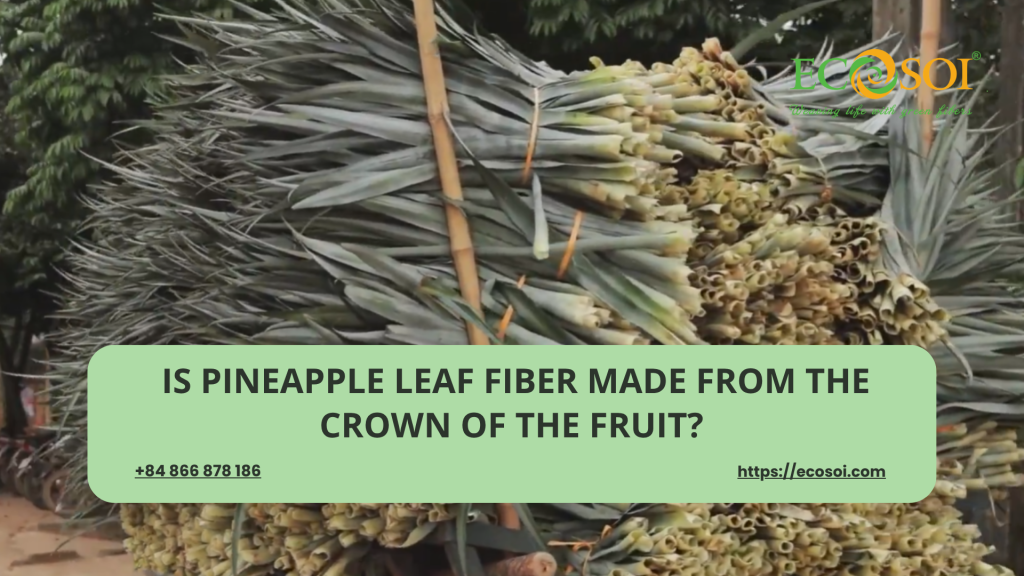
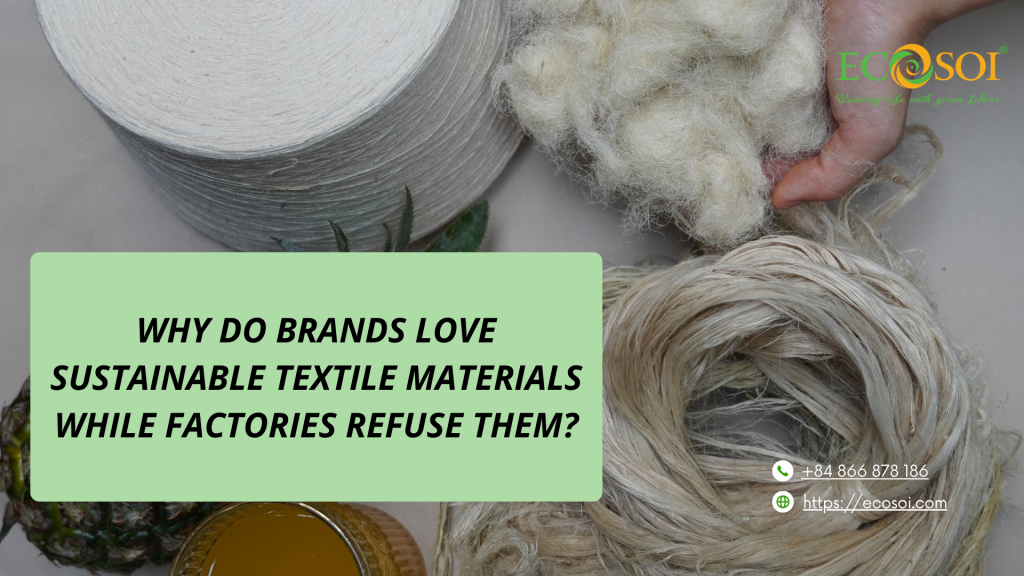
For example, Ecosoi makes pineapple fiber from pineapple leaves, an agricultural by-product. This offers another way to use resources alongside traditional fiber sources. Learn more about pineapple fiber and Ecosoi’s products.

However, using an agricultural by-product does not automatically make a finished product recyclable. The fiber blend, dyes, and finishing treatments all affect how people can process it later. Collection and recycling systems matter too.
Fashion businesses should consider the whole life cycle of a product. They need to assess material choice, durability, repair options, and end-of-life plans together.
What should you do with clothes you no longer wear?
Before you throw away a garment, check its condition.
- Still wearable: Keep wearing it, exchange it, resell it, or donate it.
- Easy to repair: Mend tears, replace buttons, or adjust the design.
- No longer suitable to wear: Reuse the fabric or find a collection point with clear guidelines.
- Needs special treatment: Check the material and ask the receiving organisation how to handle it.
More importantly, avoid buying clothes you do not need. When you wear a garment for longer, you may not need to replace it as soon.
Give old clothes another chance
Old clothes can have another life. You may wear them again, turn them into other products, or recover their materials. However, each option suits certain fabrics and garment conditions.
Therefore, wear clothes longer, repair them, and reuse them before recycling. Fashion businesses should also plan for collection and processing when they design new products.
Circular fashion is not just about what happens after we throw clothes away. It is also about using resources wisely and reducing waste throughout a product’s life cycle.