 VIETNAMESE
HOW DOES THE FASHION INDUSTRY RELATE TO CLIMATE CHANGE?
A single shirt looks simple on the surface. Yet making it consumes vast natural resources. The production journey starts when workers extract raw fiber. Next, mills spin, weave or knit, dye, and assemble the fabric into garments. Finally, global logistics shipping carries these finished clothes worldwide.
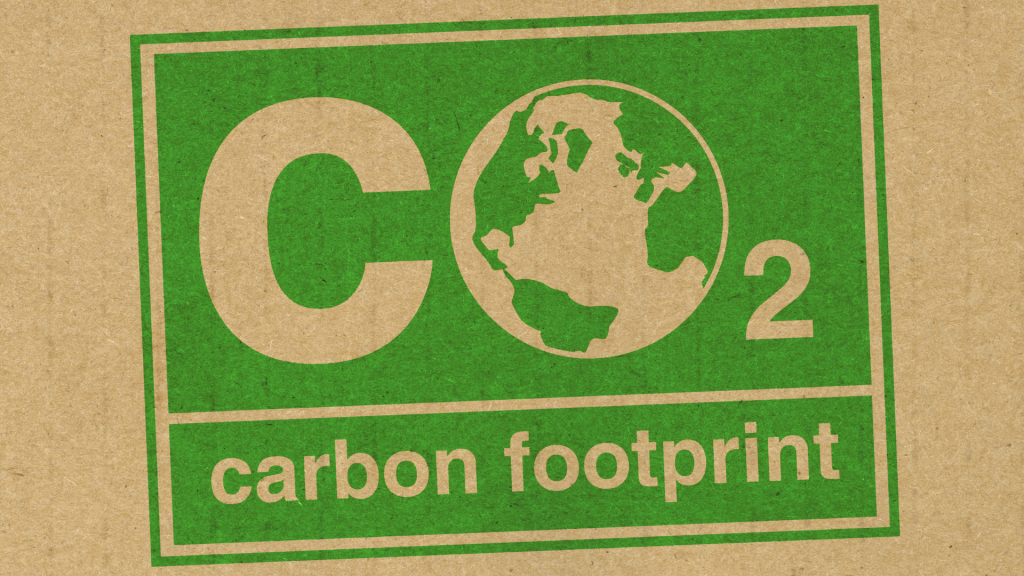
Therefore, we must look beyond store shelves to understand the link between the fashion industry and climate change. Instead, we need to trace the complete environmental footprint across the entire product lifecycle.
Estimates from the United Nations Environment Programme (UNEP) show that the textile sector generates between 2% and 8% of global greenhouse gas emissions. Because this range is broad, analysts view it as an indicator rather than an exact metric.
Nội dung chính:
Why does the fashion industry impact global climate change?
Apparel impacts our climate through several distinct production stages.
First, raw material extraction requires massive inputs. Growing natural fibers demands land, water, and fertilizers. Meanwhile, chemical plants create synthetic fibers using fossil fuels and heavy energy, as noted by the European Environment Agency (EEA)
Next, fabric making and garment assembly add extra stress. Mills use intense energy, water, and chemical treatments during weaving, knitting, dyeing, and finishing.
Finally, shipping, consumer care, and disposal create further emissions. In short, a garment affects the environment long after a factory sends it out.
Which lifecycle stage causes the most environmental impact?
Data from the European Environment Agency points to production as the most critical stage. An assessment of EU textile use revealed that manufacturing accounts for nearly 80% of climate impacts. Transportation, retail, consumer laundering, and disposal make up the remaining 20% share.
Because this model reflects EU market habits, analysts caution against applying it rigidly to every garment worldwide.
Still, this data highlights a crucial fact. Simply asking consumers to change how they wash clothes is not enough. Most emissions occur before anyone buys the garment. This reality highlights the pivotal role of clean sourcing and responsible manufacturing in cutting emissions.
Does raw material selection define sustainable fashion?
No single fiber serves as the best option for every situation. Natural fibers cut reliance on fossil fuels, yet farmers still need land, water, fertilizers, and pesticides to grow them.
Synthetic fibers offer durability and high performance. However, manufacturers make them from petrochemicals, which causes long-term waste issues. Therefore, instead of merely asking whether a fiber is natural, brands should explore deeper questions:
- Where does the raw material come from?
- How much energy and water does processing require?
- Do factories use harmful chemicals during manufacturing?
- Will the finished fabric last through long-term wear?
- Can people repair, reuse, or recycle the garment?
- What happens when the product reaches its end-of-life?
This practical approach matches the European Commission’s sustainable textile policy. The strategy targets the entire lifecycle rather than focusing only on raw materials.
How do fast fashion and consumer habits drive emissions?
A product’s climate impact depends on more than manufacturing methods. Total sales volume and clothing lifespan matter just as much.
EEA data shows that per-capita greenhouse emissions from EU clothing dropped by 22% between 2010 and 2022. Yet total clothing purchases grew by 15% over that same period. This trend shows that while factories improved efficiency, rising sales canceled out many environmental gains.
Fast fashion goes beyond rapid trend cycles. When consumers buy more items, wear them briefly, and discard them quickly, overall resource demands surge. Consequently, designing durable garments and encouraging extended wear remain vital goals for sustainable fashion.
What role can sustainable textiles play?
Adopting alternative materials offers one practical way to lower textile emissions. However, introducing a new fiber does not guarantee a sustainable product.
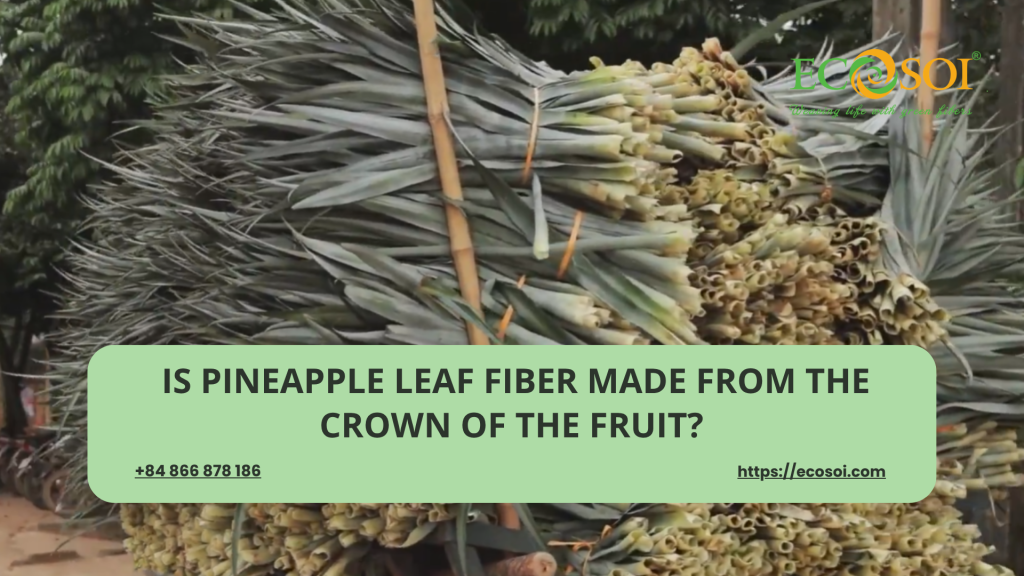
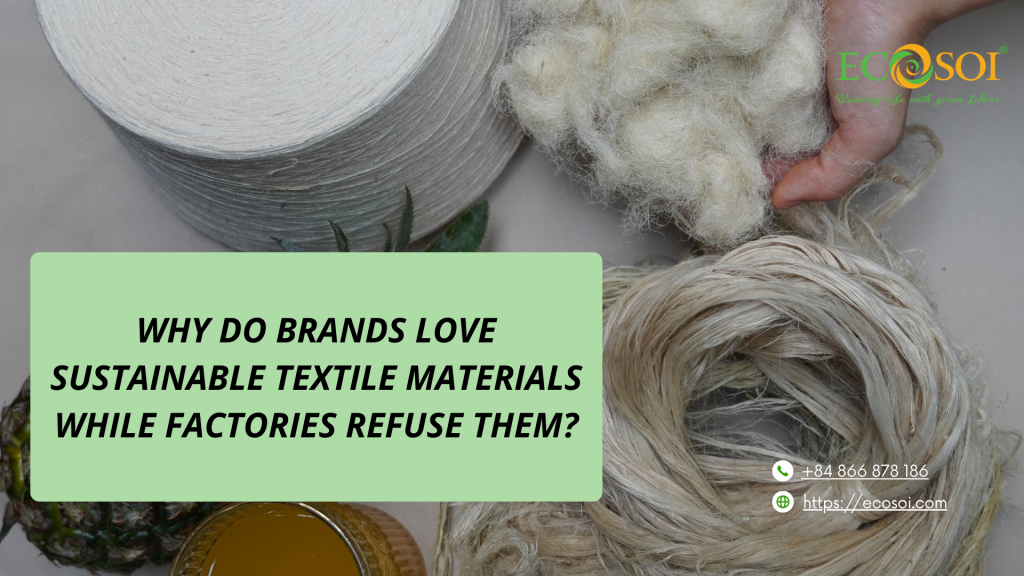
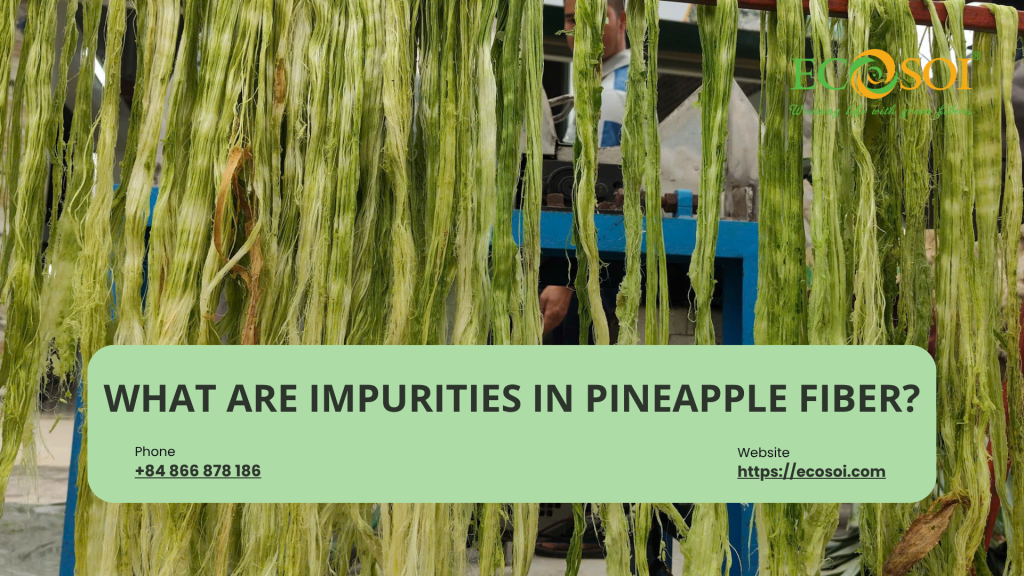
Take pineapple leaf fiber (PALF) as an example. Studies in the Journal of Natural Fibers show that processors can extract high-quality fibers from agricultural pineapple waste.
The real sustainability value of pineapple fiber stems from its agricultural source, efficient processing, spinnability, and natural biodegradability—not just its plant-based label.
Therefore, consumers should never assume that plant-based fibers emit fewer emissions than synthetics. Fair comparisons require clear Life Cycle Assessment (LCA) data.
How should businesses and consumers navigate this issue?
For fashion brands, picking materials is only the first step. Companies must evaluate their entire supply chain, from raw material sourcing and manufacturing to durability, product lifespan, and end-of-life disposal.
Brands can start by verifying raw material sources, clarifying fiber blends, and setting strict fabric standards. For innovative materials, running small trial batches before full production helps confirm performance and quality.
For consumers, buying items that fit genuine long-term needs is essential. Choosing durable clothes and wearing them longer remains the simplest way to reduce personal fashion emissions.
How does fashion truly connect to climate change?
The link between the fashion industry and climate change reaches beyond a single fabric type or manufacturing step. Every phase of a garment’s lifecycle consumes resources and creates emissions, with material sourcing and production driving the largest impact.
Consequently, sustainable fashion requires more than swapping one material for another. It demands responsible sourcing, cleaner factories, durable designs, and longer product lifespans. By taking a complete lifecycle view, the industry can properly measure the impact of innovative materials—like agricultural waste fibers from pineapple leaves.
Explore more: Shop – ECOSOI – Weaving life with green fibers