 VIETNAMESE
IS PINEAPPLE LEAF FIBER MADE FROM THE CROWN OF THE FRUIT?
When hearing about pineapple leaf fiber, many people picture the fruit itself. A common question is: does this fiber come from the leafy crown on top of the fruit?
The short answer requires a clear distinction. While fibers can come from pineapple leaves, the exact leaf source can vary. In fact, scientific studies show that crown leaves can yield fibers too.
Therefore, you should not assume that all commercial yarns come from the same plant part. More importantly, buyers must check the raw material origin and process for each batch.
Nội dung chính:
Which part of the plant produces pineapple leaf fiber?
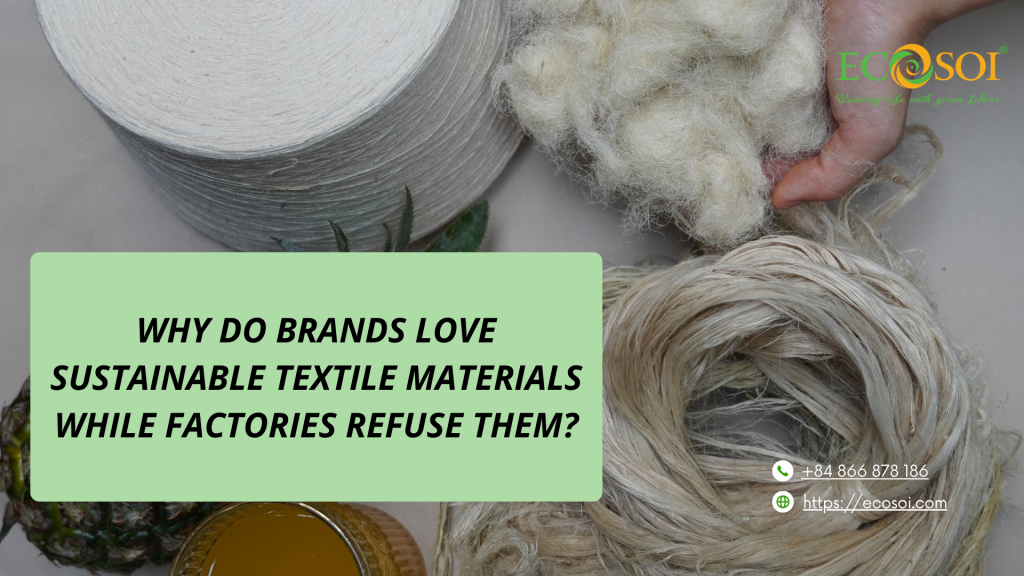
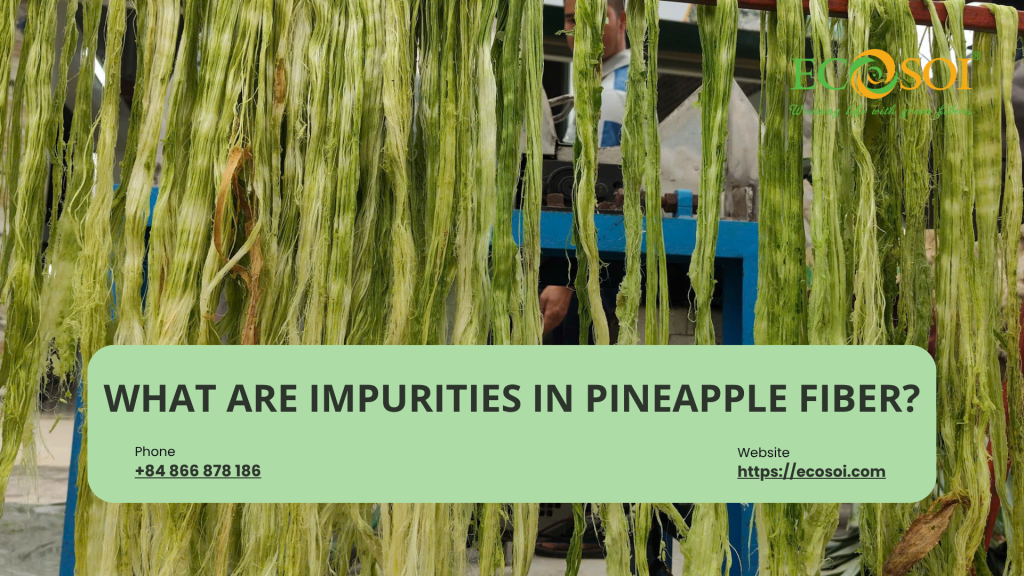
Textile experts call this material pineapple leaf fiber (PALF). As the name suggests, workers extract these fibers directly from pineapple plant leaves. After farmers harvest the fruit, workers gather the remaining leaves to extract raw fibers. Next, machines strip away the plant tissue and clean the raw strands.
Thus, the name “pineapple fiber” does not mean the material comes from fruit flesh. Indeed, it always refers to the long leaves of the pineapple plant.
Are general pineapple leaves and fruit crowns the same?
Not entirely. The small leaf cluster growing on top of the fruit is called the crown. This crown is indeed one possible source of natural plant fiber.
For instance, research on pineapple crown leaf fiber (PCLF) shows that these small leaves yield usable strands.
Meanwhile, PALF is a broader term for fibers taken from any pineapple leaf. Studies on PALF cover various extraction tools and chemical cleaning methods. Consequently, while PCLF and PALF are closely linked, they are not identical terms.
Which leaf source does Ecosoi use?
Ecosoi focuses on post-harvest leaves to supply sustainable raw materials.

Our plant processes these leaves to strip away green plant tissue. Next, the raw strands go through specialized cleaning steps. This process turns agricultural waste into high-grade inputs for spinning and weaving.
Importantly, leaf sources vary across different commercial suppliers. Therefore, buyers should not guess plant origins based only on product names.
How do leaves turn into finished pineapple leaf fiber textiles?
Turning fresh leaves into usable yarn takes several key factory steps. However, exact steps depend on each maker’s tech setup.
First, workers collect suitable post-harvest leaves in the field. Next, machines scrape the green leaves to free the raw strands. Many mills use dry scraping tools for this extraction. After scraping, workers wash and soften the raw fibers.
At this stage, raw strands are not ready for weaving yet. Factories must process them further to match end-use needs. Indeed, fiber length, cleanliness, and evenness shape the next steps.
Finally, mills spin these clean fibers into strong yarns. Once spun, these yarns go into industrial looms or knitting machines. A recent study used PALF yarns to make wearable apparel fabrics. The test results proved that leaf fibers work very well for modern clothing.
Thus, the path from leaf to fabric involves many steps. You cannot simply pull a leaf and weave cloth right away.
Why is pineapple fiber often blended with other fibers?
A product labeled “pineapple fabric” does not always contain 100% leaf strands. In fact, textile mills often blend different fibers together. This practice helps craft better yarn structures and nicer fabric textures.
For instance, mills frequently blend leaf fibers with soft natural cotton. In addition, some activewear fabrics add elastic yarns for stretching. The blend ratio always depends on the final product goal. Hand feel, seam strength, and mill performance all guide the yarn recipe.
Furthermore, studies on PALF show that blending improves yarn running speed on looms. Therefore, buyers should not look at brand names alone. Always check the exact material tag on product spec sheets.
Is pineapple leaf fiber suitable for commercial textiles?
Yes, it is very suitable, but fiber quality remains crucial. Many research papers have tested PALF in modern yarns and woven cloth. Some teams have even made finished garments for daily wear.
However, success depends on more than just the leaf source. Extraction methods play a huge role too. Poor cleaning can ruin fiber strength and soft texture.
What factors determine raw fiber quality?
Several key traits shape raw fiber performance:
- Fiber cleanliness: Uncleaned strands retain leaf tissue that clogs spinning machines.
- Length and evenness: Uniform fiber length ensures smooth spinning on industrial frames.
- Moisture content: Proper moisture levels prevent mold during storage and shipment.
- Post-extraction steps: Washing and drying steps alter fiber softness directly.
Consequently, two batches of leaf strands can perform very differently. Buyers must assess raw materials using real lab metrics rather than generic claims.
What should B2B buyers check before purchasing?
If you are sourcing leaf fiber for mill production, a simple product title is not enough. First, ask your supplier about their leaf origin. Where do they gather the leaves? Are they post-harvest leaves or fruit crowns?
Next, ask about their extraction and cleaning steps. This data reveals true fiber traits and running speeds.
Inspect fiber and yarn spec sheets
For raw fibers, review average length, cleanliness, evenness, and moisture metrics.
For pineapple fiber yarn, check twist structure, yarn count, and tensile strength. Always define your production method early. Machine weaving requires different specs than hand knitting.
Test physical samples before placing bulk orders
Sample trials let you test raw materials on your own machinery. Indeed, testing is a vital step before confirming large purchase orders. You can test carding, spinning, or weaving speeds. At the same time, check hand feel and fabric stability. For B2B clients, sharing technical needs early cuts production risks.
Understand pineapple fabric clearly before buying
The term “pineapple fabric” is easy for shoppers to understand. However, it does not reveal the true fabric structure. A woven cloth may combine leaf strands with various other yarns. The exact blend ratio must be verified through spec sheets.
In addition, raw fiber sources need clear documentation. Not all products named “pineapple yarn” come from post-harvest leaves. This clarity matters deeply for fashion brands needing supply chain traceability.
Therefore, instead of asking “Is this pineapple fabric?”, ask these precise questions:
- Where do the raw leaves come from?
- How are the fibers cleaned and processed?
- Is the yarn pure or blended with other fibers?
- What is the exact percentage of leaf fiber in the cloth?
- Is this item suitable for your planned weaving or knitting method?
- Can the supplier provide testing samples first?
These clear questions help you judge materials using hard technical data.
Conclusion: Is pineapple leaf fiber made from the crown of the fruit?
To summarize, pineapple leaf fiber comes from plant leaves, but not all yarns come from fruit crowns.
Fruit crown leaves can indeed yield usable fibers. Scientific studies have researched crown fibers under the name PCLF. Meanwhile, PALF remains the standard term for general pineapple leaf strands. Many studies confirm that PALF processes smoothly into high-grade yarns and fabrics.
For buyers, exact leaf origins and lab specs matter most. If you need raw fibers, yarns, or pineapple leaf fabrics for production, start with clear technical needs. Next, test physical samples before booking large bulk runs.
Ecosoi offers full support for your needs across raw fibers, blended yarns, and finished fabrics. Send us your specs today to receive matching samples for your next green collection.