 VIETNAMESE
WHAT STAGES CREATE THE ENVIRONMENTAL IMPACT OF THE TEXTILE INDUSTRY?
The environmental impact of the textile industry is often tied only to fabric choice. Many people simply compare cotton, polyester, or recycled yarns. However, fabric type is just one part of the puzzle.
A shirt goes through a long path before you wear it. This path includes farm crops, yarn spinning, cloth weaving, dyeing, sewing, shipping, and washing. Therefore, to judge green clothes well, we must check the full life cycle assessment (LCA).
Nội dung chính:
The environmental impact of the textile industry begins with raw materials
Raw fibers must be made before anyone can sew a shirt:
- Standard natural fibers: Plant crops take up large areas of farm land. In addition, these crops need lots of water and farm sprays.
- Oil-based synthetic fibers: Making plastic yarn uses up crude oil and coal. Furthermore, this work sends out high amounts of greenhouse gases.
According to the European Environment Agency (EEA), getting raw crops harms nature the most. Therefore, a “natural” label alone does not prove a shirt is green if farming hurts the soil.
When agricultural waste becomes textile fiber
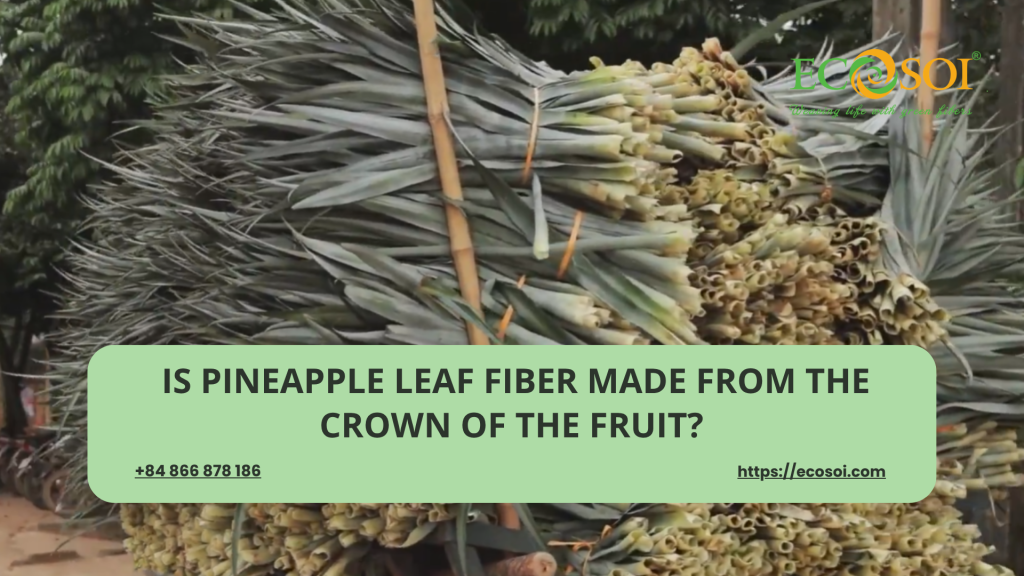
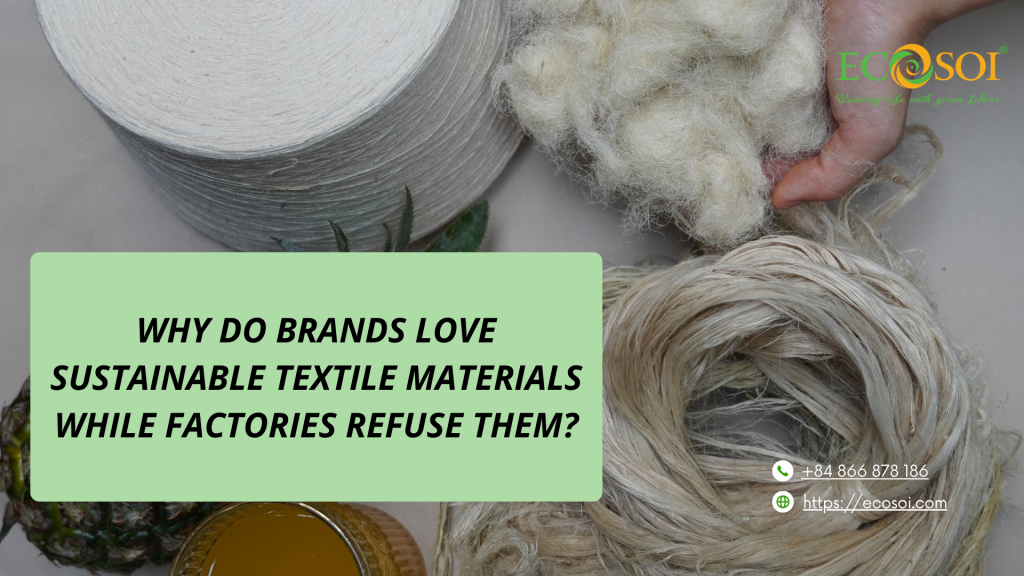
Using pineapple leaves after the fruit harvest offers a great path. Ecosoi builds a system from raw fibers and spun yarns to finished textiles. In fact, using farm leaves needs no new farm land or fresh tap water.
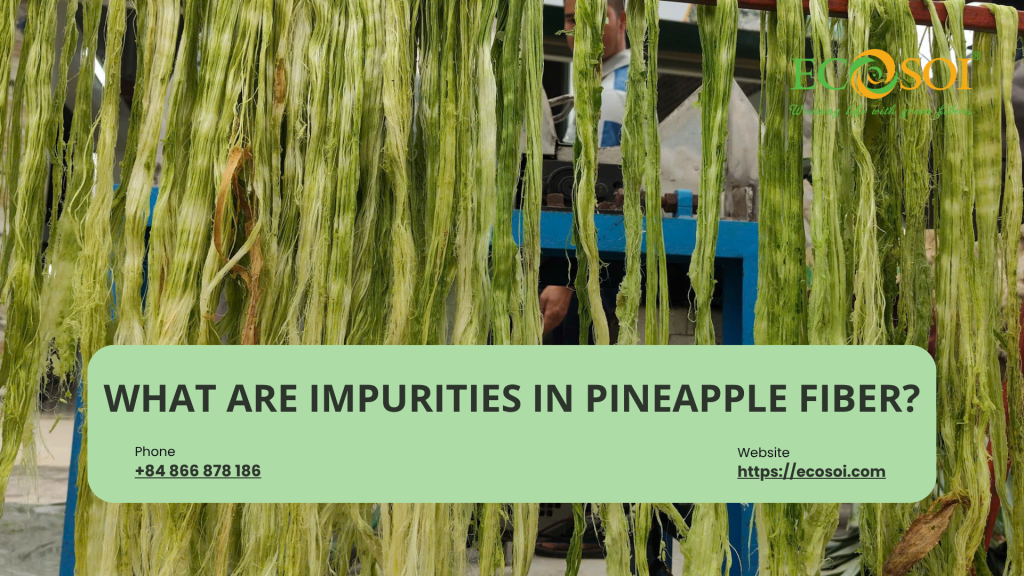
However, farm waste does not turn into green cloth on its own if mills use harsh chemicals. To fix this, Ecosoi uses dry scrapers and simple wash steps. This work keeps tight control over waste wash water. Next, the fibers dry outside in the sun to save power.
Spinning determines the practical application of raw fibers
After gathering raw leaf fibers, mills comb and spin them into yarn. This step is a true factory test for any green fiber. A new fiber cannot rely on sales words alone. Instead, the yarn must run well on big mill looms with steady pull strength.
Weaving, dyeing, and finishing create major emissions
Once yarns are ready, mills weave or knit them into raw cloth. Next, fabrics go through wet steps like washing, bleaching, dyeing, and softening. The United Nations Environment Programme (UNEP) notes that wet processing creates the most water waste in fashion. For this reason, picking plant fibers is useless if dye steps use harsh toxins.
At the same time, the cloth build must match the final product use. Each clothing line needs its own weave type. Brands should not chase high plant fiber counts blindly. A wise choice finds the right balance between real use and low cost.
Garment manufacturing and design define product lifespan
After finishing fabric rolls, factories cut and sew the final clothes. At this stage, circular design rules guide the whole process:
- Smart pattern cuts: Good pattern layouts cut down on scrap cloth on factory tables.
- Tough seam builds: Strong seams help shirts survive hundreds of home wash cycles.
- Fewer plastic trims: Cutting out glued plastic bits makes later fixes and fabric shredding much easier.
According to the EU Strategy for Sustainable and Circular Textiles, circular design stops waste right on the sketch board.
The usage phase creates often-overlooked environmental impacts
The green footprint of a shirt keeps going while you wear it. From laundry wash heat to how often you wear it, your daily habits shape the footprint of the cloth. Green studies show that wearing clothes longer and washing them with care cuts pollution by a lot. Thus, buyers are also a key link in green fashion.
End of life: Solving the textile landfill challenge
When you do not wear a shirt anymore, where does it end up? Old clothes can be fixed, given away, reused, or dumped into landfills. Real cloth reuse depends on the mix of fibers:
- Mixed plastic blends (Poly-Cotton): Pulling mixed yarns apart takes hard chemical steps and high costs.
- Natural plant fabrics: Thanks to their plant base, natural clothes break down in soil under the right setup. In addition, they fit plant fiber recycling lines much better than plastic blends.
Therefore, fashion labels must plan for fabric end-of-life right from the start.
Ecosoi pineapple fiber: Greening the textile supply chain
Pineapple fiber cannot take the place of every yarn in fashion. However, it gives a fresh way to cut our need for oil-based plastic yarns.
Ecosoi offers varied goods, from pineapple fiber products to finished pineapple leaf fabrics. By keeping natural leaf wax and lignin, pineapple fibers stay fresh and breathe well.
Conclusion: Viewing sustainable fashion through the big picture
In short, the environmental impact of the textile industry comes from a full chain of linked steps. No fiber is truly green if its making and daily use lack care.
To gain trust, fashion labels must share clear facts from leaf harvest to sewn shirts. When mills, brands, and buyers work as one team, green fashion works for real.
Partner with Ecosoi: Ask for your trial fabric sample kit today to build your next green clothing line.