 VIETNAMESE
WHAT DETERMINES THE SOFTNESS OF FABRIC?
The first touch on a garment always shapes a buying choice. Many people think that only synthetic fabrics or silk feel soft and smooth. However, in textile practice, the softness of fabric depends on physical links and processing methods.
Therefore, this article analyzes the key factors that shape the softness of fabric. In addition, it shares the story of processing natural pineapple fiber from Ecosoi.
Nội dung chính:
The nature of fabric softness in textile science
Softness is more than just a quick hand feel. In fact, in textile terms, this score reflects bending rigidity, compressibility, and surface friction of the fabric sheet.
When a fabric meets good softness rules, yarn threads glide gently over each other during body movement. As a result, the garment fits body contours smoothly. Furthermore, the fabric does not cause rough rubbing on the skin.
5 Factors that shape the softness of fabric
The touch feel of a fabric comes from 5 core factors below:
Fineness of the raw fiber
The diameter of each raw fiber is the most vital factor. Specifically, finer fibers have much lower bending stiffness. When thousands of fine fibers twist into one thread, they create a soft feel for the fabric.
In contrast, coarse fibers with wide diameters remain stiff. Therefore, picking raw fiber inputs always plays a key role.
Yarn twist level during spinning
During spinning, workers twist fibers together to build strength and hold. If spinners twist yarn too tight, the thread becomes very dense and rigid. Consequently, the fabric made from this yarn will feel stiff. On the other hand, a balanced medium twist leaves natural air gaps. Thus, this open structure makes the cloth airy, light, and soft to the touch.
Weave type and thread density on looms
Using the same yarn, two different weave types create two distinct surface textures:
- Knitted fabrics (Knitted Fabric): For instance, interlocking yarn loops give natural stretch and soft flexibility.
- Woven fabrics (Woven Fabric): Warp and weft threads cross at right angles. In particular, satin or twill weaves feel softer than plain weaves. This is because they have longer yarn floats on the surface.
In addition, if thread density is too high, the fabric stands stiff. However, if thread density is moderate, the fabric drapes lightly.
Degumming methods and biological processing
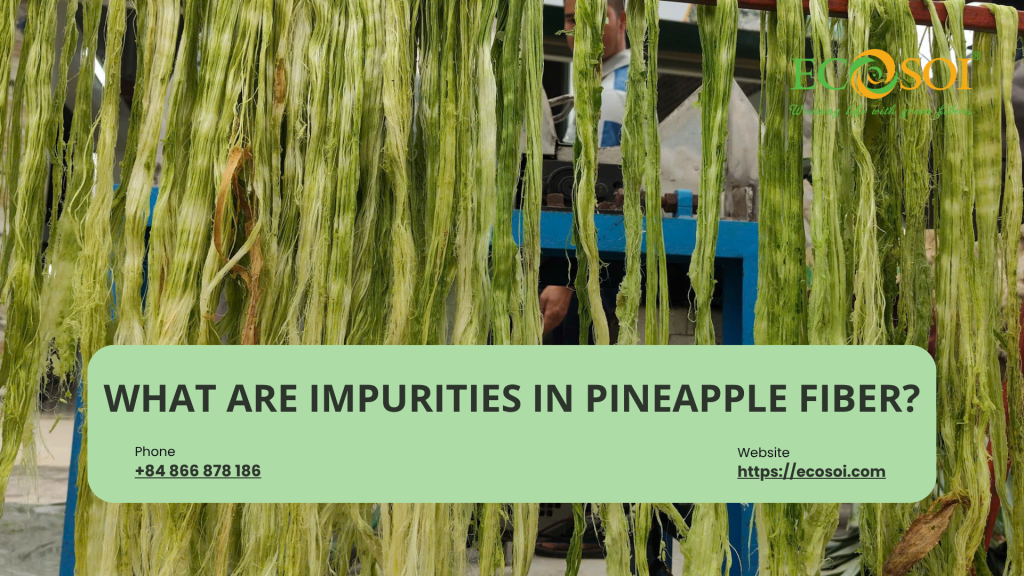
For plant-based fibers from stems or leaves, natural gums (lignin and pectin) often make strands rough.
If mills use harsh bleaches, the fiber softens fast. However, it easily turns weak and damaged. Therefore, using clean water and bio-enzymes removes pectin gently. As a result, this method softens natural fibers while keeping their cellulose strength intact.
Blending ratio between fiber types
To balance strength and softness, mills often blend multiple fiber types together.
For example, combining strong pineapple leaf fiber with cotton or recycled poly creates a fabric. This cloth holds its shape well. Meanwhile, it also stays gentle on the skin.
How Ecosoi processes pineapple fiber for natural softness
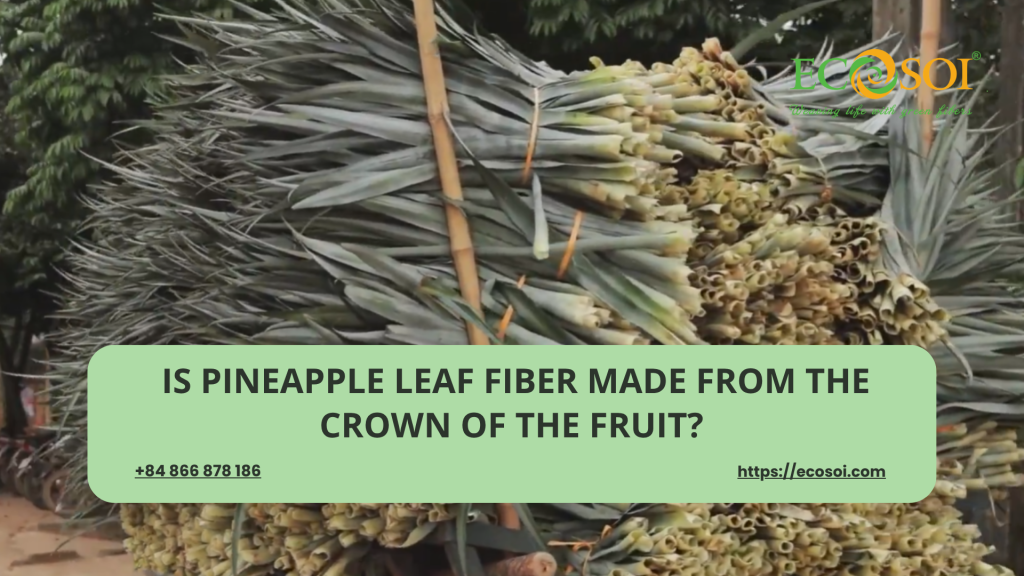
Pineapple leaf fiber is famous for its high tensile strength. However, improper processing can leave raw fiber stiff to the touch. Therefore, Ecosoi solved this issue through a clean biological process.
Classifying raw fiber fineness at initial processing
Ecosoi divides raw materials into 2 main groups based on precise technical traits. In fact, the goal is to match diverse needs from buyers:
- Raw pineapple fiber (Grades Q1, Q2, Q3): Sorted clearly by gum removal level, color, and cleanliness:
- Grade Q1: For instance, fiber has a bright natural shade, high gum removal rate, and lowest impurities.
- Grades Q2 and Q3: Meanwhile, fiber has a rustic golden tone, durable body, and keeps a proper rate of plant gum.
- Carded pineapple fiber (Carded Fiber): Cleaned fibers pass through carding machines. Thus, the machine removes short fragments completely. Thanks to its fluffy and uniform texture, carded fiber blends smoothly with cotton on spinning lines without clumping.
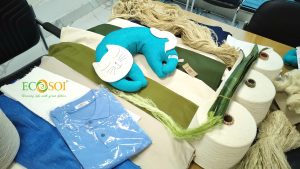
Shop – ECOSOI – Weaving life with green fibers
Lignin removal with clean water and bio-enzymes
Instead of using harsh acids, Ecosoi washes fibers with clean water. Consequently, this process gently strips the sticky lignin layer from each strand. As a result, sun-dried pineapple fibers become soft and airy. In addition, the natural cellulose structure does not break down at all.
Flexible yarn blending for knitting and weaving
To meet modern garment needs, Ecosoi produces blended cotton-pineapple yarns in counts like 10Ne, 20Ne, 30Ne, and 32Ne. Therefore, the resulting yarn combines the durability of pineapple leaves with the softness of cotton. As a result, brands can easily tailor polo shirts, office shirts, or airy loungewear.
What should businesses and consumers note to keep fabrics soft?
Both makers and daily users can follow practical tips below:
For garment workshops and fashion brands
- Test sample fabric swatches: First, you should order test swatches to check fabric drape before cutting bulk orders.
- Optimize finishing steps: Next, apply post-weave treatments to enhance surface smoothness.
For individual consumers
- Limit harsh detergents: For example, mild laundry soaps protect the natural plant wax on fiber surfaces.
- Avoid high-heat drying: In addition, drying clothes naturally in gentle shade helps fibers retain moisture and stay soft over time.
Conclusion and contact
In short, the softness of fabric comes from clean processing as well as fiber quality. Therefore, when brands manage the whole line from fiber grading to weave selection, natural textiles deliver superior comfort and skin safety.
Is your business looking for soft, certified natural pineapple leaf fiber and fabrics?
- Check out our fiber and fabric collections at: Website Ecosoi
- Contact us for direct advice at: Fanpage Ecosoi