 VIETNAMESE
Why does pineapple fiber canvas CV40 suit tote bags and backpacks?
Demand for sustainable materials in fashion is growing very fast today. Brands do not care only about aesthetics anymore. Indeed, they also focus heavily on material origins and environmental impact. As a result, eco-friendly fabrics like pineapple fiber canvas CV40 have become a top choice for many businesses.
However, when developing tote bags or backpacks, green criteria alone are not enough. The fabric must also offer good shape retention and strong load capacity. In addition, the material needs high stability during cutting and sewing.
Therefore, this article will explain the clear benefits of pineapple fiber canvas CV40. Furthermore, Ecosoi will provide practical insights to help you choose the best material for your new collection.
Nội dung chính:
Why does canvas material decide accessory quality?
A tote bag or backpack can have a very beautiful design. However, if you choose the wrong fabric, the product will lose its shape after a short time.
In fact, for fashion accessories, canvas fabric plays a critical role:
- First, it shapes the bag frame and keeps the product standing firm.
- Second, it determines mechanical strength and load bearing capacity.
- Third, it improves the tactile feeling and user experience.
- Finally, it increases the lifespan of finished goods.
If the fabric is too soft, the bag sags easily. Conversely, if the fabric is too stiff, cutting and sewing become very difficult.
Therefore, green fashion brands always choose the right material from the start. Consequently, this step reduces production risks and creates a strong market advantage.
Key criteria when picking canvas fabric for accessories
Businesses should not judge fabric by surface color alone. Instead, evaluate these key points carefully:
- First, inspect shape retention after long daily use.
- Second, test tensile strength and daily abrasion resistance.
- Third, check compatibility with industrial sewing lines.
- Fourth, verify GSM weight consistency across all fabric batches.
- Finally, demand transparent and eco-friendly material origins.
What makes pineapple fiber canvas CV40 different from regular canvas?
Traditional canvas is usually woven entirely from cotton or synthetic yarn. In contrast, pineapple fiber canvas CV40 uses an optimized blend formula. This fabric balances mechanical durability with high ecological standards.
Standard technical specifications of pineapple fiber canvas CV40
To help sewing workshops and brands apply this material easily, CV40 features clear technical parameters:
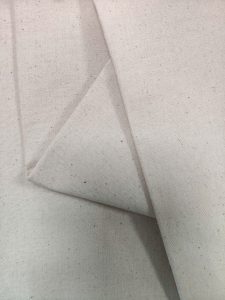
- Fiber composition: 40% pineapple fiber and 60% cotton. This ratio preserves the natural beauty of pineapple fiber while keeping the softness of cotton.
- Fabric weight: 300 gsm. This ideal thickness helps tote bags and backpacks stay firm without using heavy interlining.
- Color: Natural raw color. In fact, the fabric keeps the raw charm of plant fibers without using harmful bleaching chemicals.
- Fabric width: 1.6 meters. This wide standard width optimizes cutting markers and minimizes fabric waste for factories.
Utilizing agricultural by-products
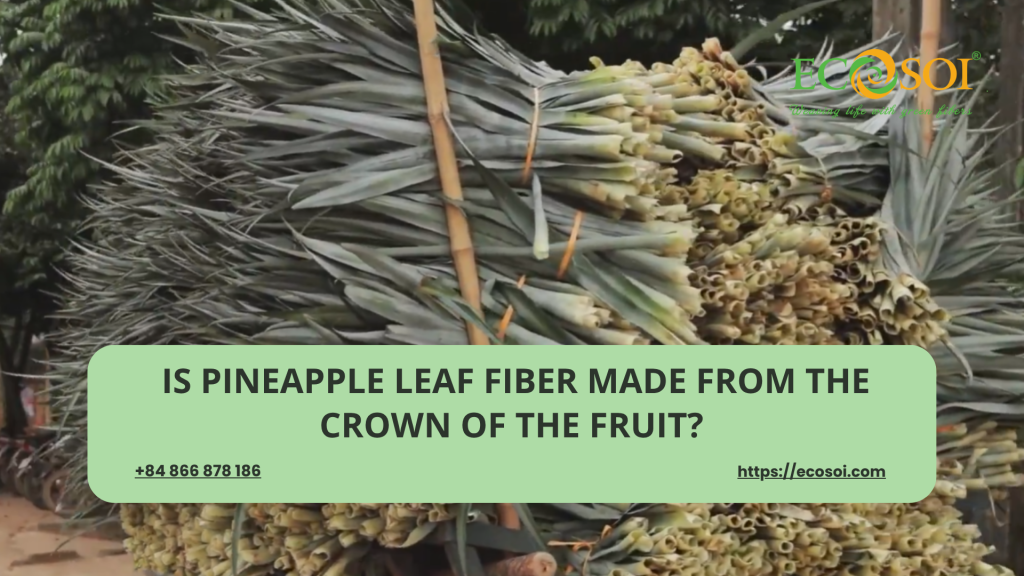
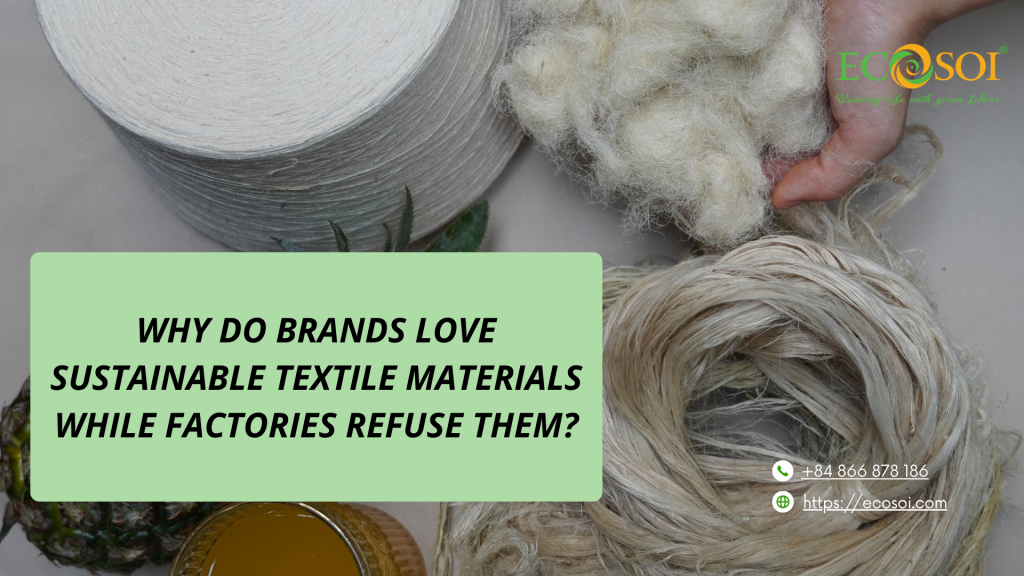
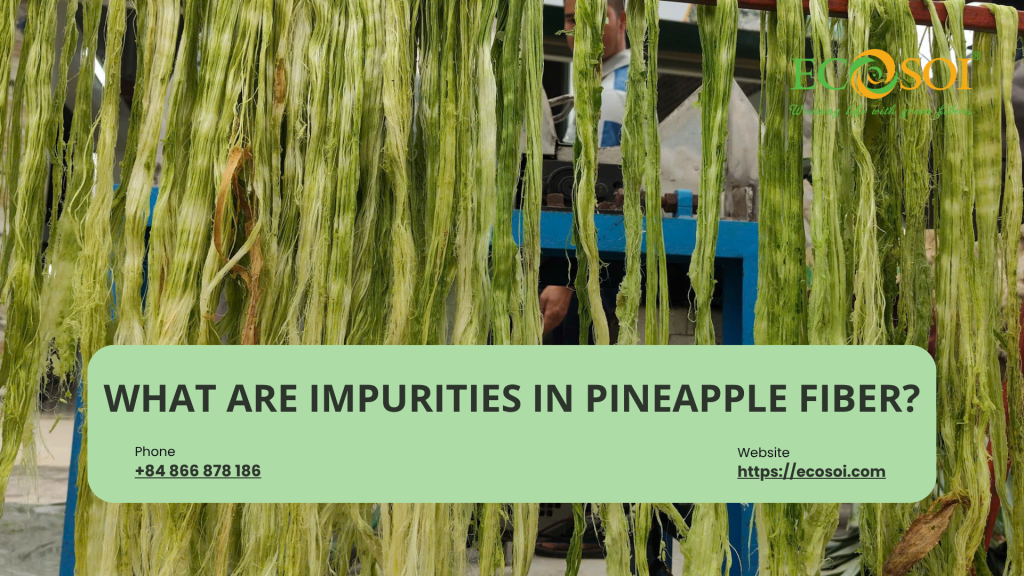
Workers extract pineapple fiber from pineapple leaf fiber after harvest. Normally, farmers burn these agricultural leaves after fruit picking. Therefore, recycling pineapple leaves increases farmer incomes. In addition, this process aligns with circular economy goals set by the Ellen MacArthur Foundation.
High aesthetic surface appeal
Thanks to its natural raw color and slub fiber texture, the fabric surface offers great visual appeal. These rustic lines look both traditional and modern at the same time. Consequently, this material fits minimalist designs and sustainable fashion trends perfectly.
3 key benefits of pineapple fiber canvas CV40 for tote bags and backpacks
Excellent shape retention with 300 gsm weight
Tote bags, backpacks, and laptop sleeves require a sturdy structure. With a solid 300 gsm weight and tight weave, pineapple fiber canvas CV40 keeps products standing straight during daily use.
Technical note: Shape retention also depends on interlining and sewing techniques. Therefore, companies should run sample tests to adjust machine settings before mass production.
Natural raw color elevates brand storytelling
Unlike flat synthetic cloth, the natural raw shade of pineapple canvas offers refined craft beauty. As a result, this feature helps brands share their green mission easily. Today, customers willingly pay more for products with transparent story origins.
Flexible 1.6-meter width for diverse accessory lines
The wide 1.6-meter width is a big advantage for marker laying and cost saving. Thus, businesses can apply this fabric across many product lines:
- Fashion shoulder bags and handbags.
- Travel backpacks and student bags.
- Pouches, wallets, and cosmetic bags.
- Laptop sleeves and corporate ESG gift bags.
Furthermore, using one main material across a whole collection builds strong brand recognition. Meanwhile, sewing factories manage stock inventory much easier.
Product applications for pineapple fiber canvas CV40
Fashion tote bags
Tote bags require a balance between beauty and utility. Indeed, the 40% pineapple and 60% cotton blend helps totes hold shape while taking silk screen printing and embroidery logo details very crisply.
Heavy-duty backpacks and sling bags
Backpacks often carry heavy items daily. Fortunately, the 300 gsm weight ensures seams will not stretch or break easily. However, businesses should still test the fabric alongside lining materials and shoulder straps for maximum load performance.
Office accessories and corporate B2B gifts
Wallets, notebook covers, and gift bags made from raw pineapple canvas fabric Ecosoi are very popular. In fact, large corporations often pick these eco-friendly items for partner ESG gifts.
Steps to evaluate pineapple fiber canvas CV40 before ordering
To avoid production risks, businesses should follow these three practical evaluation steps:
- Evaluate real fabric swatches (Sample swatches):
- First, feel the 300 gsm thickness and raw natural color directly.
- Next, test compatibility with lining layers and interlining glue adhesion.
- Discuss detailed needs with your supplier:
- First, state your final product clearly, such as totes, backpacks, or small pouches.
- Next, provide target technical specs so the supplier can recommend the right fabric code.
- Run a small test batch (Sample run):
- First, sew test products on real production lines using the 1.6-meter width.
- Next, check stitch smoothness, strap durability, and real wash performance.
Why do brands trust Ecosoi as their material partner?
Ecosoi does not simply sell fabric meters. Instead, we act as a sustainable material development partner for your brand.
For instance, our technical team guides you throughout the testing process. We advise on weave structures and sewing solutions that fit your factory machines. As a result, businesses can adopt eco-friendly materials into production with complete peace of mind.
Conclusion
Choosing the right material is the key step for product success. Pineapple fiber canvas CV40 delivers a perfect balance between technical durability and environmental standards.
If you are looking for materials for your new tote bag, backpack, or accessory collection, contact Ecosoi today. Indeed, our expert team is ready to consult and send fabric swatches directly to your office.