 VIETNAMESE
Sustainable Materials: True Value or Just a Story?
Today, “sustainability” is a huge buzzword in the textile world. Because of this, buyers face a very tough question. Are you paying for the true traits of sustainable materials? Or, are you just paying for a fake marketing story?
Undeniably, green stories have changed the market. However, brands often overuse these claims today. As a result, the line between real value and clever marketing blurs. Therefore, this article breaks down that exact difference. Ultimately, it helps you make smart choices based on real data instead of flashy ads.
Nội dung chính:
When Sustainable Materials Become a Pricing Factor
Over the years, the market has seen many items labeled “Eco-friendly” or “Circular.” Usually, these labels come with higher price tags. However, the main issue is not the high price. Instead, the real problem is this: 👉 Do buyers truly understand what they are paying for? Sadly, vague material details create a huge roadblock. Because of this, the sustainable materials market struggles to grow on a massive scale.
Sustainable Materials: Where is the True Material Value?
A truly green fabric is not just judged by its plant origin. Instead, we must look at its entire life cycle to find the real material value.
-
First, does the factory strictly track the raw inputs?
-
Second, does the processing step save water safely?
-
Third, does the product work perfectly on a large B2B scale?
-
Finally, do clear carbon reports measure the final eco-impact?
If brands cannot answer these questions with hard data, the green label is just an empty shell.
Signs You Are Not Buying Real Sustainable Materials
Today, many brands describe their goods as very “green.” Yet, their technical specs remain totally blank. Below are common signs that B2B buyers must watch out for to avoid greenwashing.
Missing Data for Eco Materials
First, the supplier offers no clear numbers on strength or stretch. Second, they lack deep reports on carbon emissions. Finally, they show no test results from independent third parties.
Hidden Processing Steps
For example, the brand hides how they extract the raw fiber. Also, they completely ignore how they manage toxic dirty water or factory waste.
Lack of Consistent Quality
Quality jumps up and down wildly between different batches. Basically, the fabric only works for small sample shows. It simply fails on a large industrial sewing line.
In these cases, you are likely paying for a fake sustainable story. You are definitely not paying for real performance. If eco materials fail to perform well, that business model will die quickly.
B2B and B2C Views: Real Sustainable Materials Perform Better
For B2B businesses, a green story only matters if the fabric runs smoothly. It must not stop the factory line or increase waste. If a “green” fabric lowers factory speed, no marketing story can fix that huge trade risk.
For B2C shoppers, emotions often drive the first purchase. A great story builds early trust easily. However, if the shirt ruins quickly, that trust dies fast. Ultimately, the real-life experience decides long-term loyalty.
Ecosoi’s View: Proving Sustainable Materials With Real Data
At Ecosoi, we deeply believe in hard facts. A green story only holds value when it reflects the strict truth behind the fabric.
Therefore, we prioritize standardizing our farm sources. We openly share the limits of our bio-materials. Most importantly, we give our partners crystal-clear process data reports. Truly, we do not view “sustainability” as a fake sticker to raise prices. Instead, it is the natural result of a highly responsible supply chain.
Conclusion
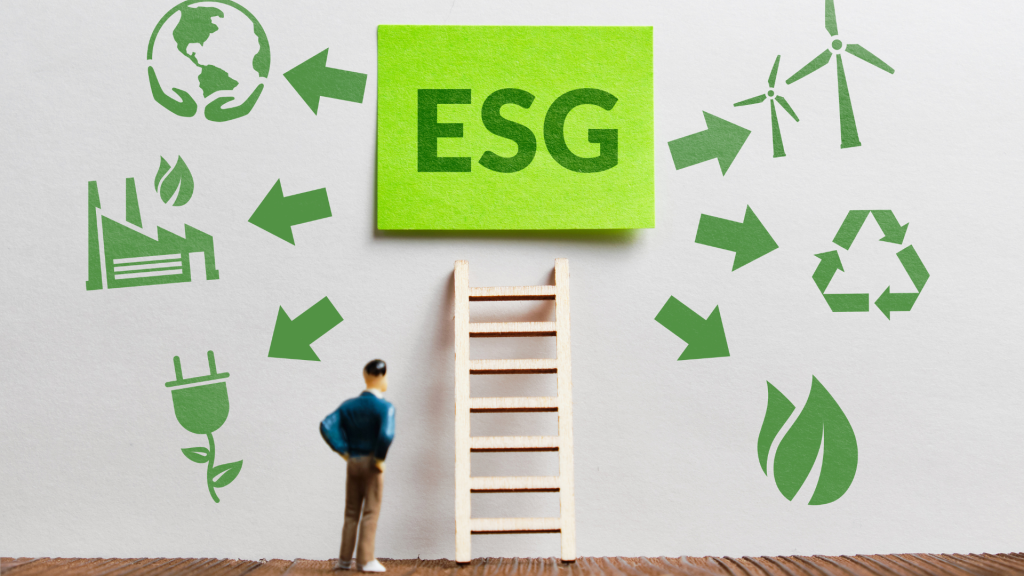
To sum up, the global sustainable textiles market is showing a clear trend. Buyers want fewer slogans and much more data. Today, ESG tracking is becoming the basic standard.
Instead of asking if a fabric has a good story, smart buyers must ask a better question. “What real value does this bring to the factory, the user, and the earth?”
👉 Remember, sustainability is not something you should just believe. It must be something you can strictly verify.
Frequently Asked Questions (FAQ)
1. What is greenwashing in the textile industry? Greenwashing means using tricky ads to make buyers think a product is very green. For instance, a brand labels a shirt as “eco-friendly” but secretly dumps toxic chemicals into local rivers.
2. How should B2B companies judge sustainable materials? Companies must demand strict technical specs from suppliers. Also, they must ask for carbon emission reports. Finally, they must check if the supplier can deliver consistent quality across huge batches.
3. Why do sustainable materials cost more than normal ones? High costs come from setting up standard farms and buying safe cleaning tech. Also, strict eco-testing and paying fair wages add to the price. Basically, you are paying for a safe, clear process, not just a fake label.