 VIETNAMESE
Eco Fabric: Does It Truly Limit Fashion Creativity?
For many years, green fashion had a very boring image. People often thought of dull colors and rough textures. Also, they pictured simple clothes with few fun choices. Because of this, many makers and buyers ask a big question. Does using eco fabric ruin beauty and art? This article looks at materials, tech, and design to find the truth. Finally, we will break old myths and show the real facts.
Nội dung chính:
What is Eco Fabric? (Understand Before Judging)
Basically, eco fabric (or sustainable fabric) groups many different materials together. These types include:
-
Fabrics made from safe natural yarns.
-
Cloths with recycled waste content.
-
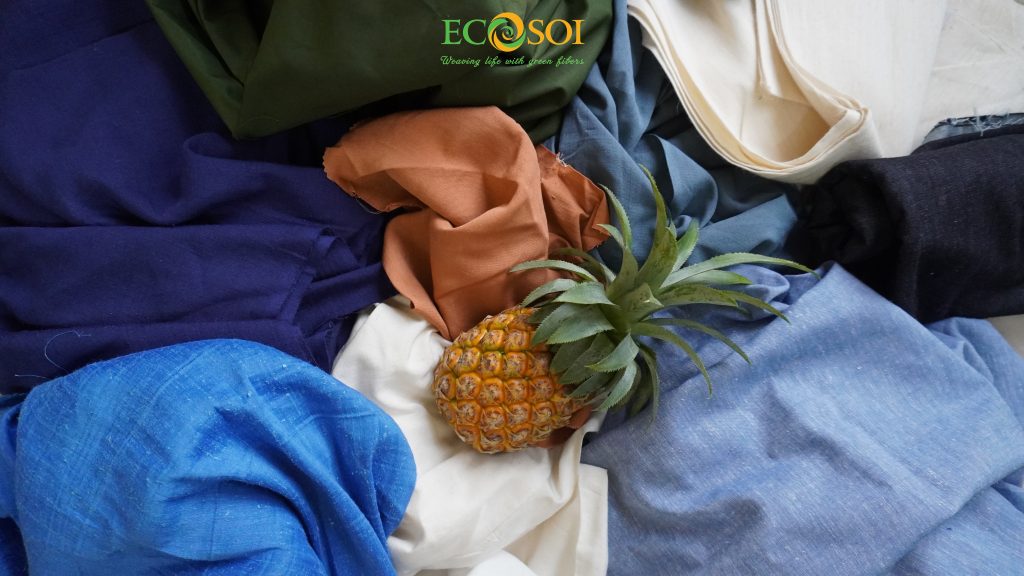
Plant textiles from farm waste (like pineapple leaves).
-
Materials made using safe, clean methods.
According to Textile Exchange, true green value goes beyond raw plants. It also covers the washing, dyeing, and sewing steps. Therefore, judging an eco fabric just by its touch is completely wrong.
Decoding the Myths About Eco Fabric
Old myths about rough, stiff clothes come from the past. Back then, factory tools were quite weak. Safe dyes were very rare, and research budgets were tiny. However, believing these old ideas today is a huge mistake.
How Has Tech Changed the Surface Feel?
First, factory steps deeply change how a cloth feels. Today, modern factories use many smart tools:
-
Natural enzymes soften yarns safely.
-
Workers run gentle machines instead of using harsh bleach.
-
Computers control the yarn twist right from the start.
Reports from the Hohenstein Institute show amazing results. Modern tools help sustainable materials feel incredibly soft and stable. Thus, a rough touch is not a strict rule for green cloth. It is simply a result of bad factory work.
Color Palettes: A Limit or a Choice?
Actually, green dyeing does not mean “no color.” Often, color limits come from a brand’s strict eco-rules. They certainly do not come from bad dye machines.
Currently, safe dyes can create beautiful neutral tones. Experts also make deep, rich shades and bright colors. Ultimately, the real issue is how much eco-harm a brand accepts to get that exact color.
Does Eco Fabric Limit Creativity?
Art in sustainable fashion design means more than just picking colors. It also includes cloth patterns, weaving styles, and outfit shapes. Truly, green textiles open exciting new doors:
-
Uneven natural textures create a special, unique look.
-
Raw styles feel very premium and handcrafted.
-
These green yarns tell a deep story about nature.
When is Eco Fabric Truly “Limited”?
We must look at facts honestly. Truthfully, not every green cloth fits every single need. It might fail when:
-
A designer wants crazy neon colors that fight strong bleach.
-
Buyers need a super shiny, fake plastic look.
-
Brands demand ultra-cheap, fast mass production.
Yet, these are just usage limits. They definitely do not stop true art.
The Market View: Consumers Are Changing
According to the Ellen MacArthur Foundation, global shoppers are shifting fast. Today, they care a lot about where clothes come from. Shoppers gladly accept tiny natural flaws to get long-lasting value.
For fashion brands, eco fabric is a powerful tool. It builds deep trust and shows brand honesty. By sharing clear factory data, companies easily avoid fake “greenwashing.”
Ecosoi’s View: Responsible Creativity
At Ecosoi, we never view green textiles as a creative loss. Instead, we see them as a fresh, responsible standard.
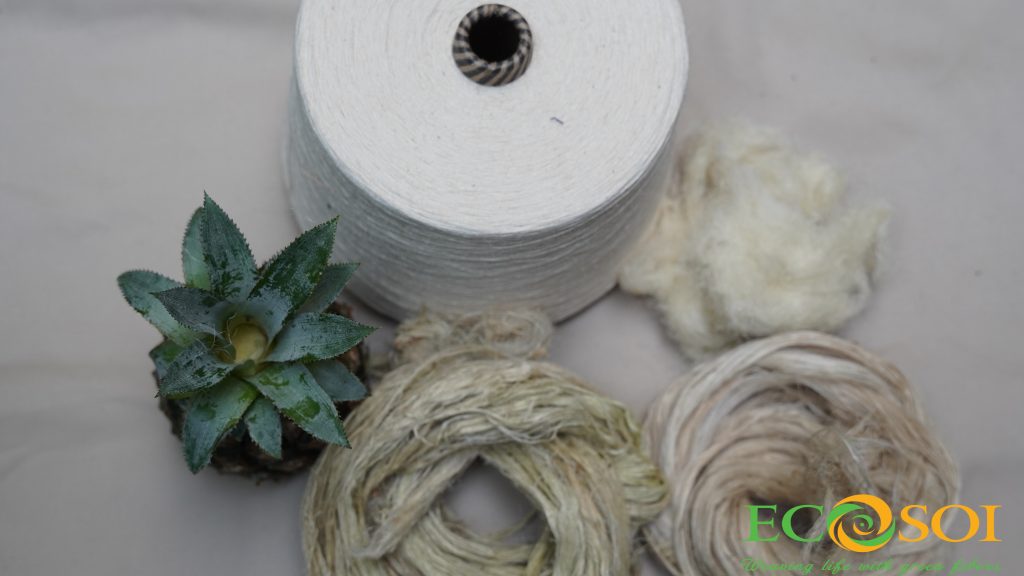
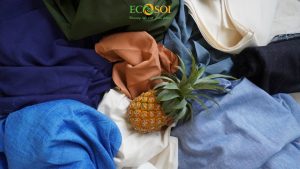
By working with plant yarns like pineapple fiber, our team learned a huge lesson. The real test is not just finding a “pretty” plant. Rather, we must truly understand the yarn’s nature. Then, factories must master the cleaning tech and use the cloth perfectly.
Conclusion
To sum up, picking eco fabric does not mean accepting boring colors. Thanks to smart tech and new ideas, old limits are dying fast. True art does not stop when you pick green yarns. It simply grows into a much kinder and deeper form.
Frequently Asked Questions (FAQ)
1. Is eco fabric as strong as normal polyester? Yes, it is. Cloth strength depends mainly on the plant source and weaving style. Many premium green textiles are super strong. If you wash them right, they will last for years.
2. Why do sustainable fabrics cost more? Higher prices often start from hard farm work. Collecting farm waste takes a lot of time. Also, cleaning yarns without toxic bleach costs extra money. Plus, paying fair wages to poor farmers adds to the final price.
3. How do I spot a real sustainable fabric? To avoid fake green claims, look for clear tracking data. Shoppers should ask for safe factory reports. Finally, trust clear third-party papers (like GOTS or Oeko-Tex).