 VIETNAMESE
Should You Buy Fewer High-Quality Clothes?
In recent years, a big mindset shift is happening globally. Consumers are starting to ask a vital question. Should we buy fewer high-quality clothes?
This question arises amid rising living costs and a deep eco-crisis. Therefore, this article analyzes the issue from an economic and environmental view. Ultimately, it helps you make the smartest shopping choices.
Nội dung chính:
The Alarming Reality of Fast Fashion Culture
The buy-more, cheap-price, and fast-change model rules modern shopping habits. However, it leaves behind massive negative impacts.
According to the UN Environment Programme (UNEP), textiles put extreme pressure on natural resources. Specifically, global clothing production has doubled in just 15 years. Yet, the average lifespan of each product has dropped by half. As a result, most clothes are thrown into landfills while still usable. This clearly shows the dark side of fast fashion and its environmental impact.
Buying Cheap: Short-Term Gains, Long-Term Waste
In the short term, cheap items seem like a budget-friendly choice. However, if you calculate the “cost per wear,” the result is completely opposite.
Usually, a low-quality product breaks quickly after a few washes. They easily lose shape, pill, fade, and force you to buy new ones constantly.
Meanwhile, choosing to buy fewer high-quality clothes is much more economical. High-quality garments keep their shape and function for many years. When calculating the total long-term cost, choosing to buy high-quality clothes actually helps you save a lot of money.
The Environmental View: What is the Value of “Less but Better”?
If you wonder what is sustainable fashion, the answer starts here. According to the Ellen MacArthur Foundation, extending a product’s life cycle is the most effective sustainable solution.
Specifically, by simply doubling the lifespan of a garment, we can cut carbon emissions by up to 50%. Furthermore, consuming less means reducing resource extraction, saving water, and saving energy. Also, it directly reduces the heavy pressure on global textile waste systems. Indeed, this is the core of responsible consumption.
4 Core Criteria to Evaluate High-Quality Clothes
Not every expensive item means high quality. To practice sustainable fashion consumption, you need to consider these 4 factors:
-
First, durable materials: Fabrics must have clear origins, high mechanical strength, and good breathability. Natural materials are always rated higher than synthetic fibers.
-
Second, processing techniques: The weaving method, finishing treatments, and seam quality directly decide the product’s lifespan.
-
Third, timeless design: You should prioritize basic, elegant designs that do not chase short-term trends so they never go out of style.
-
Finally, supply chain transparency: Brands that openly share their materials and reports are always more trustworthy.
Ecosoi: The Material Solution for Durable Fashion
The quality of a garment does not just lie in its design. It must start from the exact quality of the raw materials. This is why global brands are shifting to hunt for green materials.
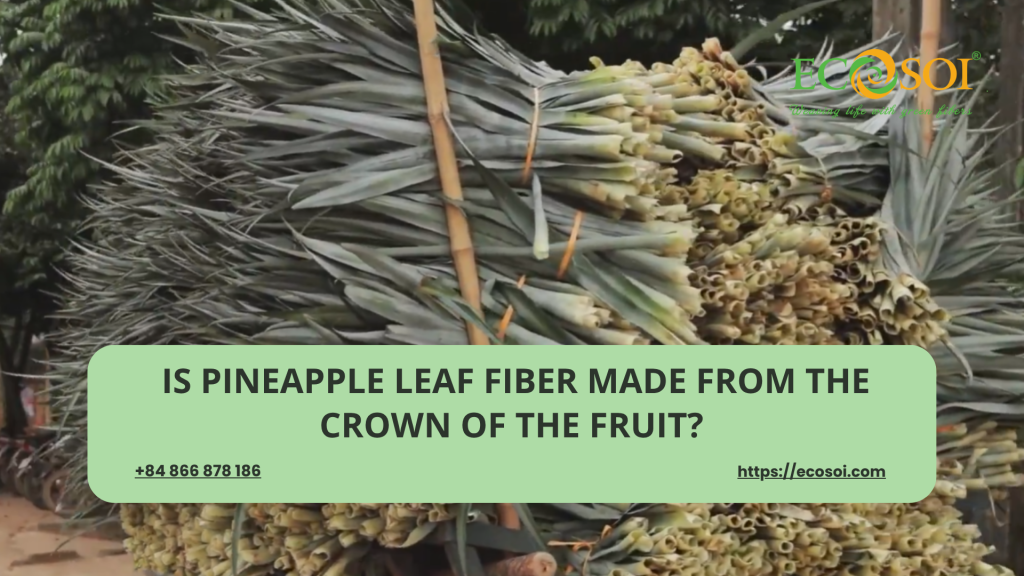
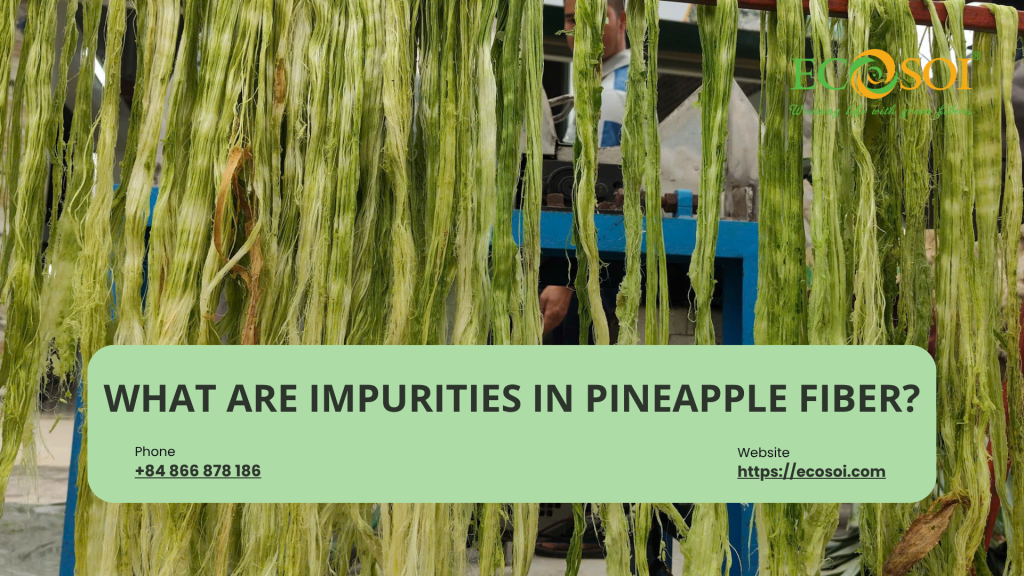
As a supplier of ecological materials, Ecosoi brings optimal solutions to the textile industry. We provide fibers, yarns, and fabrics extracted from natural pineapple leaves.
Specifically, Ecosoi develops blended fabrics mixing pineapple fiber with other natural fibers (like cotton, hemp, and linen). This combination brings outstanding mechanical strength, excellent shape retention, and a very soft surface. Products made from Ecosoi pineapple fabric perfectly meet the philosophy of “buy less, use longer”.
Moreover, all our material data is clearly traceable. This helps B2B brands confidently pass strict ESG standards to export to Europe.
Conclusion
The answer to whether you should buy fewer high-quality clothes is an absolute yes. This is not an emotional trend, but a smart and responsible consumption strategy.
The true value of fashion does not lie in the number of items you own. Instead, it lies in the long-term usability and the kindness that the product brings to the planet.
Is your brand looking for natural, highly durable materials with transparent data to conquer the international market? > 👉 Visit the Ecosoi Website or contact us right now to receive pineapple fabric samples and consult on sustainable supply chain solutions!