 VIETNAMESE
The Difficulties of Sustainable Fashion – And How We Overcome Them
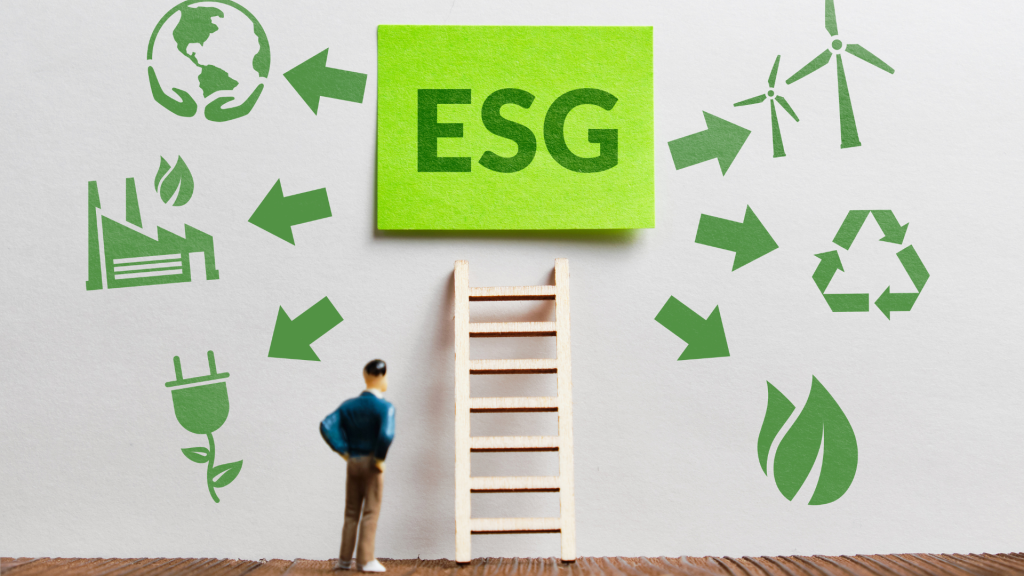
Sustainable fashion is no longer just a short-term trend. It has become a long-term strategic direction. This is especially true given the context of climate change and increasingly clear ESG requirements.
According to the United Nations Environment Programme, the fashion industry accounts for 2–8% of global greenhouse gas emissions. Furthermore, this industry consumes massive amounts of water and places significant pressure on natural resources.
Therefore, transitioning to a sustainable model is absolutely essential. However, looking at the reality, this is one of the hardest industries to truly implement sustainability. It is difficult to create genuine, long-lasting sustainable value.
Nội dung chính:
Cost Pressures and Market Competition
The difficulties of the sustainable fashion industry begin with the issue of cost.
The fast fashion model is led by global giants like Zara, H&M, and Shein. Their primary advantage lies in massive scale, high speed, and optimized pricing.
Meanwhile, sustainable products generally involve several hurdles:
-
Significantly higher raw material costs.
-
Much more complex production processes.
-
Extremely strict transparency standards.
-
Limited production scale at present.
According to the Ellen MacArthur Foundation, building a circular economy in textiles requires serious commitment. Businesses must invest long-term in design, new materials, and collection systems. Consequently, this significantly increases costs in the initial stages.
Therefore, sustainable businesses find themselves competing in a market originally designed for cheap, mass production.
Consumer Awareness and the Value Gap
The majority of consumers still question why sustainable products command higher prices.
They easily see the final garment. However, they do not see the entire complex supply chain behind it. This unseen chain includes:
-
Strictly controlled raw material sourcing.
-
Specific processes designed to reduce emissions.
-
Labor conditions that comply with fair standards.
-
Comprehensive traceability systems.
According to the OECD, sustainable consumption behavior is heavily influenced by price and information transparency. When information remains unclear, consumers struggle to evaluate true sustainable value.
Thus, the difficulty of the sustainable fashion industry is not solely in production. The challenge also lies heavily in shifting market perception.
The Lack of a Complete Ecosystem
This industry cannot become sustainable if only a single business changes its practices.
From raw materials, spinning, weaving, dyeing, sewing, to distribution, the entire chain must synchronize. If just one stage is unprepared, both costs and schedules are negatively affected.
In Vietnam and many developing countries, the ecosystem for new materials is still nascent. Supply chains for regenerated fibers or fibers from agricultural byproducts are still being built.
This reality makes the scaling process slow and demands significant patience.
Greenwashing Distorts the Market
When too many brands declare themselves “green,” consumers understandably begin to doubt.
According to the European Commission, unsubstantiated environmental claims are a major concern in Europe. This situation forces regulators to increase control and tighten rules significantly.
Greenwashing fundamentally undermines market trust. Consequently, businesses doing real work must invest even more in certifications and transparent data.
This represents a massive challenge during the industry’s transition period.
How We Overcome These Difficulties
Execute a Long-Term Strategy, Not Emotion
Sustainable fashion cannot grow merely as a passing movement.
Businesses absolutely need:
-
A clear vision spanning at least 5–10 years.
-
A definitive and realistic plan for scaling.
-
Strict and careful cash flow control.
-
A roadmap to perfect the supply chain step-by-step.
Do not rush the process. But, equally, do not stop moving forward.
Invest in Transparency and Data
The future of the entire industry will be shaped by data.
Businesses should focus heavily on:
-
Comprehensive product traceability.
-
Accurate emissions measurement.
-
Detailed ESG reporting.
-
Recognized international certifications.
Transparency requirements are becoming increasingly clear in the EU market. New product information regulations, including digital product passport mechanisms, show this trend will only expand.
When data is clear and robust, businesses don’t need to make excessive claims. Genuine transparency automatically builds trust.
Persistently Educate the Market
A sustainable business does not simply sell products. The business is actively building awareness.
Every article sharing knowledge helps. Every professional discussion matters. Every product communicated with its true value contributes to changing consumer behavior.
Sustainable value simply takes time to be understood and widely accepted.
Collaborate Instead of Competing Alone
The sustainable sector is not a zero-sum game.
This industry urgently needs:
-
Strategic raw material alliances.
-
Proactive technological cooperation.
-
The sharing of common standards.
-
Strong connections to green financing.
When the entire ecosystem strengthens, every single business within it grows stronger.
Remain Steadfast to Core Values
There will undoubtedly be periods when the market slows down. Orders might temporarily decrease. Cash flow might face significant pressure.
However, if you believe the future belongs to responsible production, you must prepare now. Businesses need to build a solid foundation today.
Sustainable fashion is definitely not an easy path. But it is the only path aligned with global sustainable development goals.
The businesses that remain steadfast today will be the ones shaping the new standards for tomorrow.