 VIETNAMESE
NATURAL FIBERS AND THE STORY OF “EMBRACING IMPERFECTION” IN DESIGN
For decades, industrial design and manufacturing focused on uniformity, precision, and repeatability. Perfection was the goal. However, this mindset is changing. As environmental awareness grows, global design thinking is shifting. Identity, origin, and meaning now matter more than flawless consistency. As a result, many designers, brands, and architects choose natural fibers. They do so even though these materials are not perfectly uniform. Today, imperfection is no longer a weakness. Instead, it becomes part of the material story. It reflects a more balanced relationship between people, nature, and products.
Nội dung chính:
What are natural fibers, and why are they never identical?
Natural fibers come from plants, animals, or minerals. Common examples include cotton, linen, hemp, wool, silk, and fibers made from agricultural by-products. Pineapple leaf fiber, banana fiber, and bamboo fiber belong to this group.
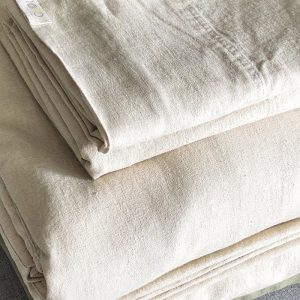
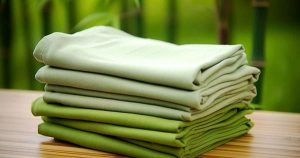
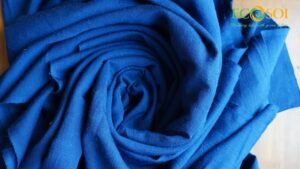

Unlike synthetic fibers, natural fibers are not produced in fully controlled environments. Instead, they are directly influenced by nature.
For example, fiber quality depends on soil conditions and climate. It also varies by season and farming methods. In addition, harvesting and primary processing play an important role.
Because of these factors, differences are unavoidable. Color, surface texture, fiber length, and fineness often vary between batches. These variations are not defects. They are essential characteristics of natural materials.
Embracing imperfection in modern design thinking
The idea of embracing imperfection is not new. In Japanese Wabi-Sabi philosophy, beauty lies in simplicity, asymmetry, and the marks of time.
In sustainable design today, this idea takes a modern form.
Designers no longer force natural materials to behave like industrial ones. They also avoid sacrificing material identity for perfect uniformity. Instead, they respect the inherent qualities of natural fibers.
Many international designers believe that small irregularities add emotional depth. They also increase the perceived craftsmanship value of a product.
Natural fibers and a different aesthetic experience
Products made from natural fibers offer a different sensory experience.
First, the touch feels more raw and authentic. Second, the surface is rarely perfectly smooth. This creates visual depth. Third, each product has its own character.
For many consumers, these qualities are a clear advantage. They are not only buying a product. They are choosing a philosophy and a sustainable lifestyle.
Challenges when using natural fibers in design and production
Embracing imperfection does not mean ignoring technical standards. On the contrary, natural fibers often require more expertise.
Designers must understand the physical properties of each fiber. Manufacturers also need to conduct repeated testing. Moreover, designs must remain flexible. The goal is to work with the material, not against it.
For this reason, many brands prefer small or medium-scale production. Others combine craftsmanship with modern technology. This balance helps achieve aesthetic quality, functionality, and sustainability.
Natural fibers in the global sustainable design movement
According to reports from organizations such as Textile Exchange and the Ellen MacArthur Foundation, renewable and natural materials play a key role in sustainable development strategies.
When sourced responsibly, natural fibers can reduce dependence on fossil resources. They can also lower emissions across the product life cycle. In addition, they help reuse agricultural by-products and reduce waste.
At a micro level, natural fibers may seem imperfect. However, at an ecosystem level, they support a more balanced system.
From design philosophy to material choice: the role of material partners
For natural fibers to reach their full potential, material suppliers play a crucial role.
They must ensure transparent sourcing and production processes. They also need to understand material behavior. Most importantly, they should support designers during testing and development.
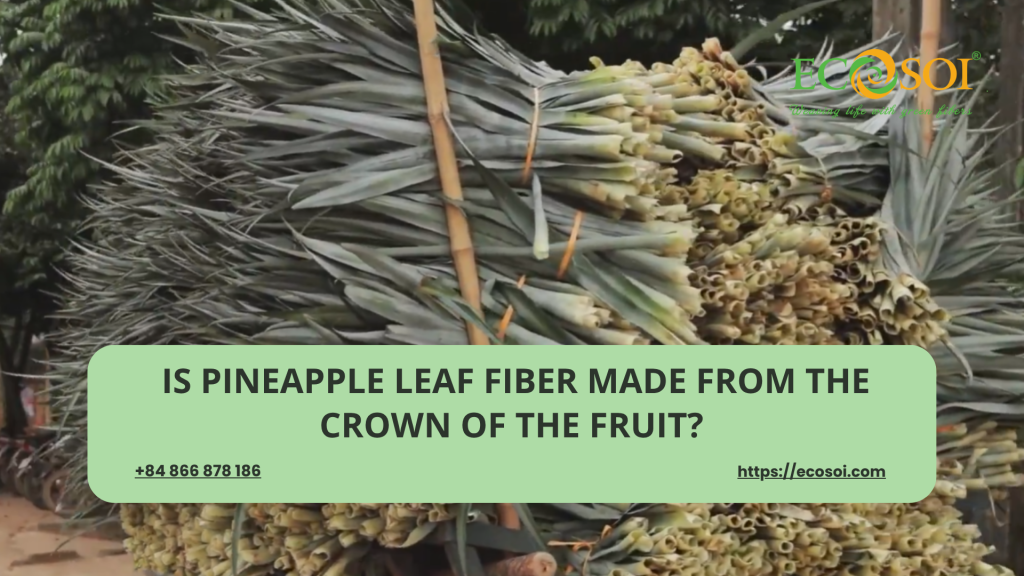
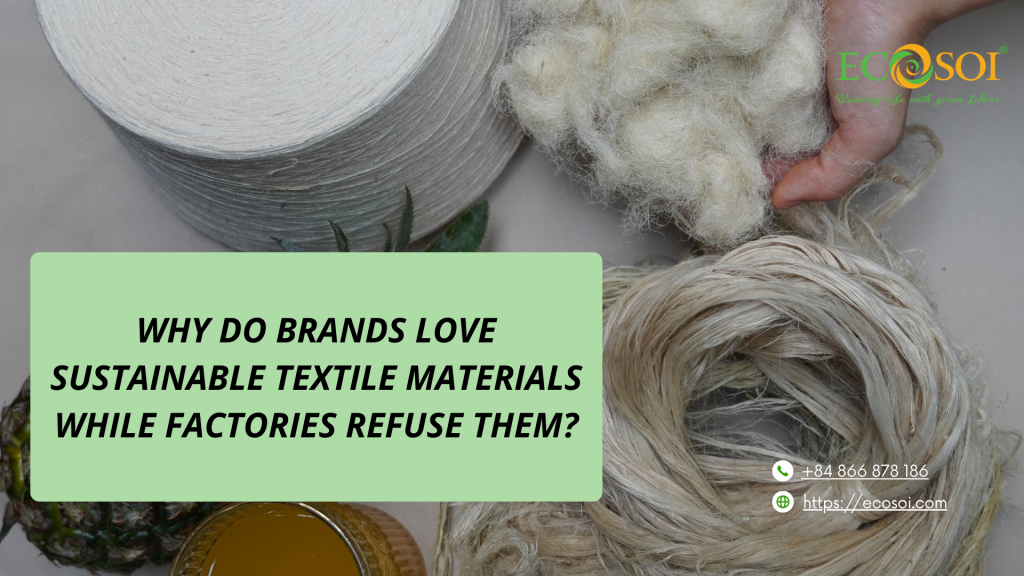
Suppliers working with agricultural by-products, such as pineapple leaves, offer a new direction. They transform waste into valuable resources while preserving the natural beauty of the fiber.
Ecosoi and respecting the “imperfection” of pineapple leaf fiber
At Ecosoi, pineapple leaf fiber is developed with respect for its natural characteristics. The goal is not to force uniformity at any cost.
Each fiber batch reflects its agricultural origin and responsible processing methods.
For designers, brands, and B2B partners seeking natural materials with a clear story, Ecosoi offers a practical solution. The materials are suitable for experimentation, prototyping, and product development.
Ecosoi is ready to support research, testing, and application. In this way, imperfection becomes a deliberate aesthetic choice, not a limitation.
Conclusion: When design begins with material understanding
In sustainable design, the key question has changed. It is no longer about achieving absolute perfection. Instead, it is about understanding materials and working in harmony with them.
Natural fibers, with all their subtle differences, create a more honest design language. Each product becomes not only beautiful, but also meaningful.