 VIETNAMESE
PHYSICAL PROPERTIES OF PINEAPPLE FIBER THAT DESIGNERS SHOULD KNOW
As the global textile industry shifts toward environmentally friendly materials, pineapple leaf fiber has emerged as a promising option. This material attracts attention because of its bio-based origin, renewability, and long-term usability.
However, effective application requires more than sustainability claims. Designers, material developers, and brands must understand the physical properties of pineapple leaf fiber. This knowledge forms the foundation for responsible design and production decisions.
Nội dung chính:
Overview of the physical structure of pineapple leaf fiber
Bio-based origin and cellulose structure
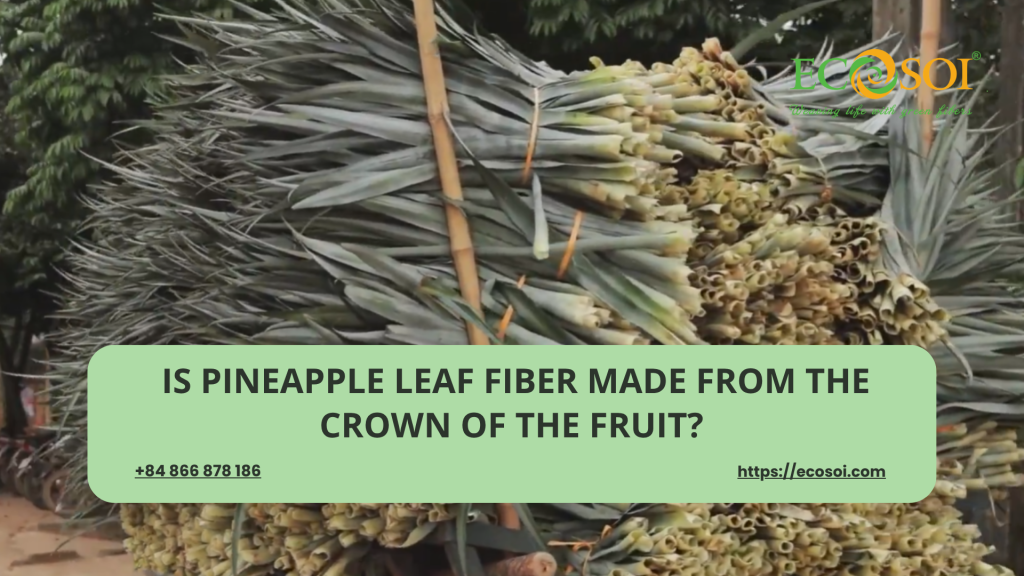
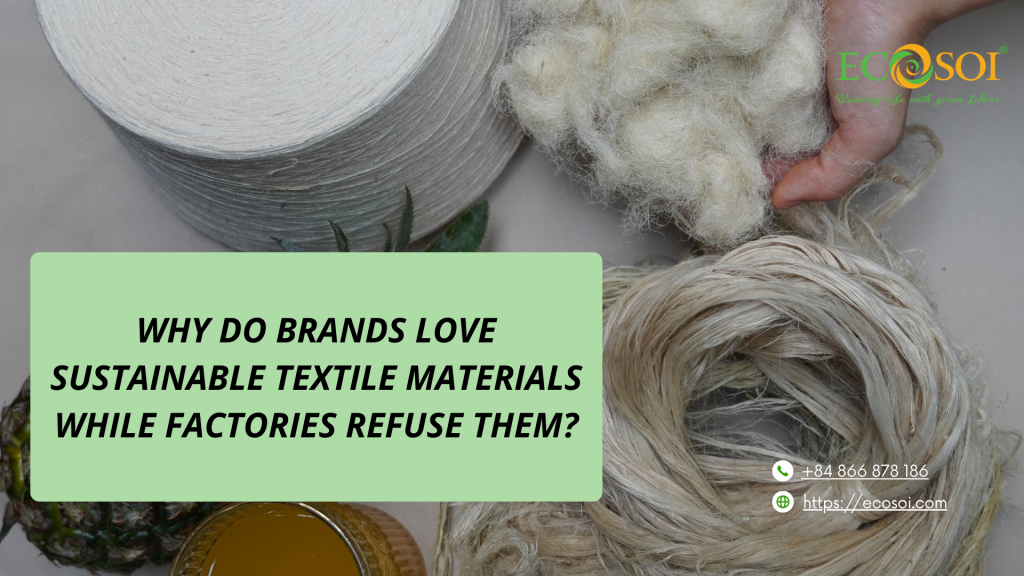
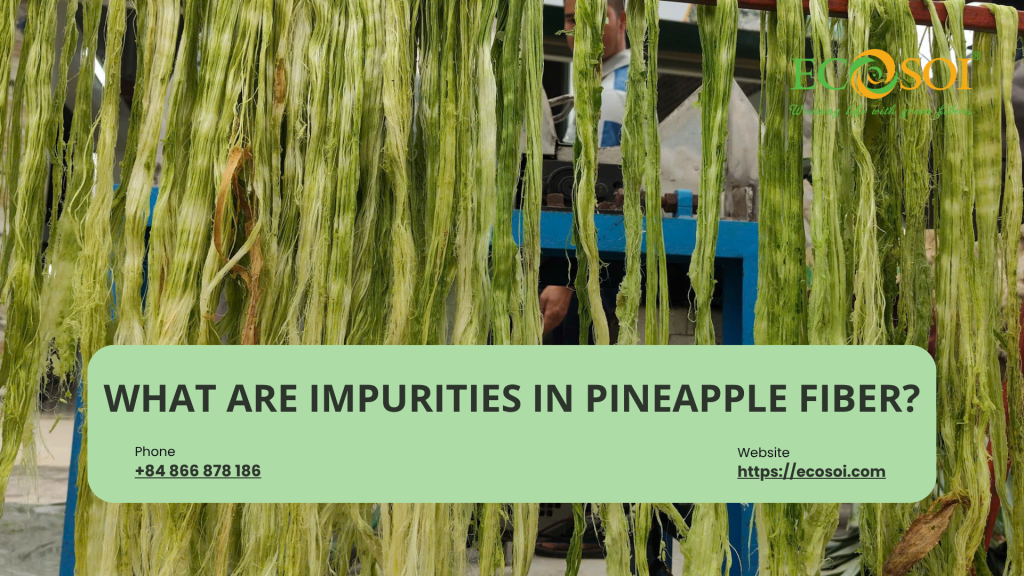
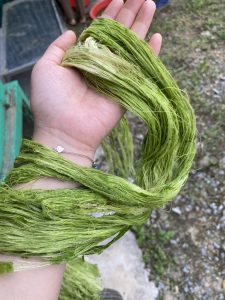
Pineapple leaf fiber is extracted from leaves left after fruit harvesting. In traditional agriculture, these leaves are often discarded.
The fiber mainly consists of cellulose. It also contains hemicellulose and a certain amount of lignin. This composition gives pineapple leaf fiber natural mechanical strength. At the same time, it allows the fiber to biodegrade under suitable conditions.
Fiber morphology: length, cross-section, and surface
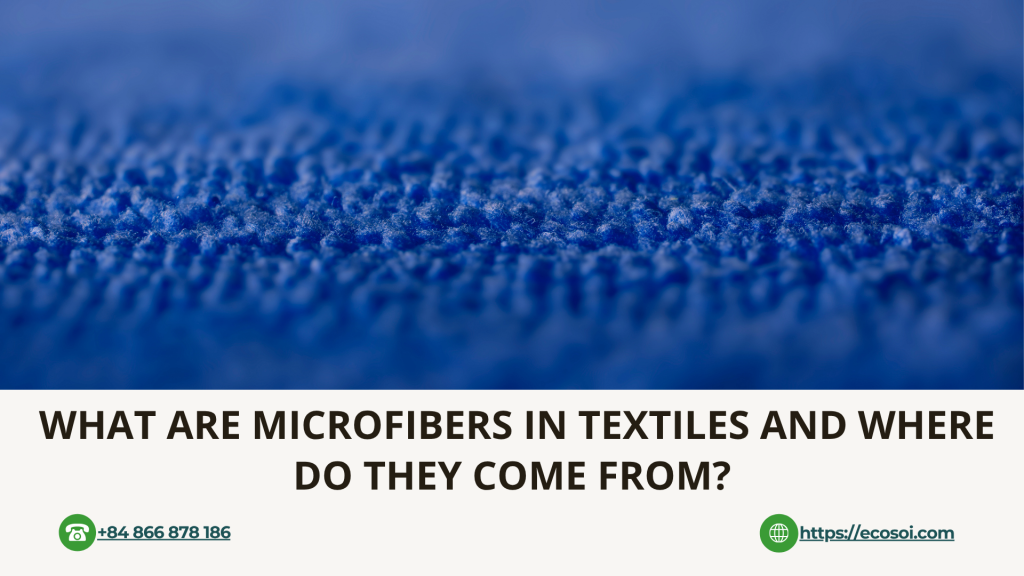
Compared to many plant fibers, pineapple leaf fiber has a relatively long staple length. Its cross-section is not perfectly round. In addition, its surface remains naturally coarse.
These characteristics directly affect material hand feel. They also influence yarn bonding during weaving. As a result, they shape the final fabric’s visual and tactile qualities.
A brief comparison with common natural fibers
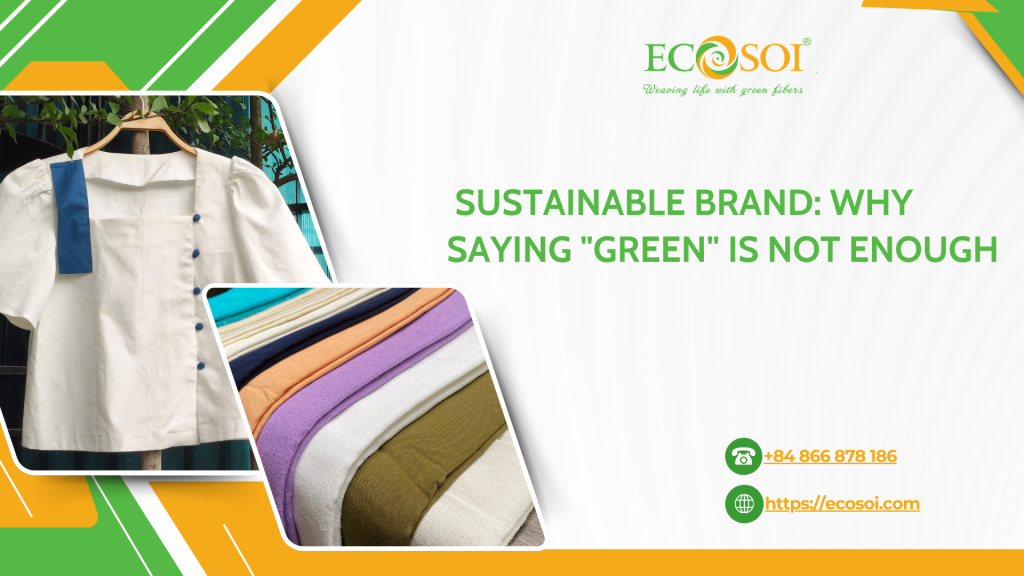
When compared with cotton or linen, pineapple leaf fiber is relatively stiffer. However, it offers a more pronounced natural appearance.
Therefore, pineapple leaf fiber does not replace these fibers. Instead, it complements them. It suits designs that value material character and a clear sustainability story.
Mechanical properties that influence design decisions
Tensile strength and load-bearing capacity
Thanks to its high cellulose content, pineapple leaf fiber shows good tensile strength. This property supports applications that require structural stability.
With proper processing and spinning, the fiber can meet technical requirements across different weaving methods.
Relative stiffness and impact on garment structure
Compared to softer fibers such as cotton, pineapple leaf fiber is stiffer. This stiffness helps fabrics hold their shape over time.
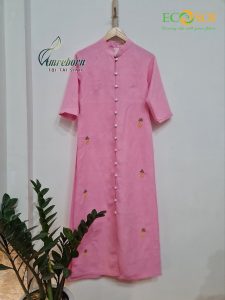
For this reason, the fiber works well in structured designs. It also suits minimalist styles and handcrafted aesthetics.
Flexibility and blending potential
To improve flexibility, manufacturers often blend pineapple leaf fiber with other fibers. These may include natural or recycled materials.
Blending helps balance strength, surface feel, and practical usability. As a result, the fiber becomes easier to apply in real-world products.
Sensory properties and material experience
Surface texture and tactile perception
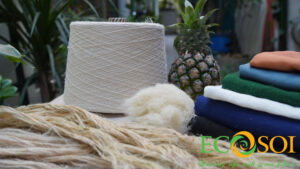
Pineapple leaf fiber has a lightly coarse surface. It does not feel smooth like synthetic fibers.
Many designers value this quality. It aligns well with collections that emphasize authenticity, craftsmanship, and natural expression.
Breathability and moisture absorption
Due to its natural fiber structure, fabrics made from pineapple leaf fiber offer good breathability. They also absorb moisture relatively well.
These features enhance comfort. They are especially relevant in tropical and warm climates.
Natural aesthetic value
Pineapple leaf fiber creates a slightly uneven visual effect. This lack of perfect uniformity is increasingly appreciated in sustainable design.
Here, beauty comes from material honesty rather than flawless consistency.
Processing, weaving, and finishing considerations
Machine weaving and hand weaving
Pineapple leaf fiber can be woven by machine. However, some projects prefer hand weaving.
Hand weaving helps preserve fiber structure. It also maintains the original physical properties of the material.
Influence of weaving methods
Hand weaving allows fibers to “breathe” more freely. It also reduces harsh mechanical stress.
In contrast, machine weaving offers higher consistency and scalability. Therefore, the choice depends on design goals and product positioning.
Dyeing and finishing potential
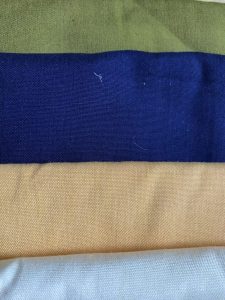
Pineapple leaf fiber can be dyed using natural dyes or eco-friendly processes. However, careful control is necessary.
Poor dyeing techniques may affect fiber strength. Therefore, finishing must balance color stability and material integrity.
Physical stability during product use
Shape retention over time
When processed correctly, pineapple leaf fiber shows relatively good shape retention. It resists deformation under normal use conditions.
Response to moisture and environment
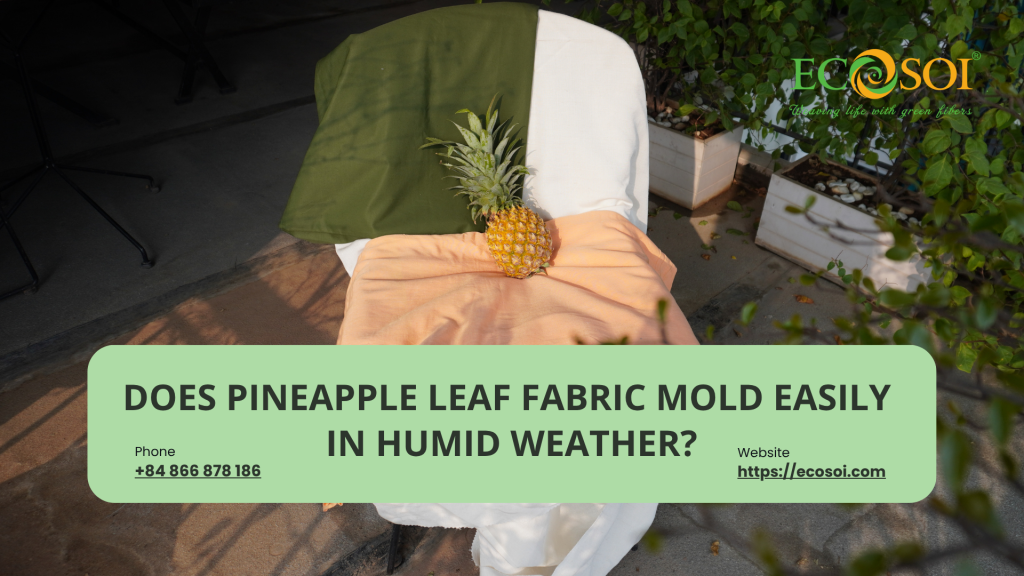
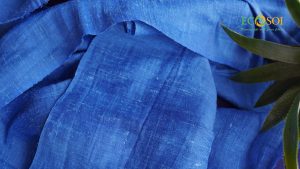
Like many natural fibers, pineapple leaf fiber reacts to high humidity. Designers must consider this behavior during product development.
Proper care instructions also help extend product lifespan.
Technical considerations for application
Material testing before mass production is essential. This step allows brands to assess suitability for specific product categories.
It also helps reduce technical and commercial risks.
What these physical properties mean for designers and brands
Designing effectively through material understanding
When designers understand fiber properties, they gain greater control. They can choose appropriate structures, silhouettes, and finishing techniques.
Role in sustainable development strategies
Pineapple leaf fiber is more than a material choice. It represents a way to use agricultural by-products.
As a result, it supports waste reduction and circular economy principles.
When pineapple leaf fiber is the right choice
This fiber suits brands that value sustainability, craftsmanship, and material transparency. It also fits projects that require a clear material narrative.
Ecosoi: A development and supply partner for sustainable design
At Ecosoi, pineapple leaf fiber is treated as a foundation for sustainable innovation. Continuous research and testing help balance physical performance, usability, and environmental impact.
With experience in developing pineapple fibers for domestic and international markets, Ecosoi supports designers and brands throughout material trials and application stages.
👉 Contact Ecosoi to explore pineapple leaf fiber and sustainable material solutions for your next project.