 VIETNAMESE
Does pineapple leaf fiber meet ESG and sustainability criteria?
Nội dung chính:
ESG – From a strategic concept to material selection
In the global textile and fashion industry, ESG is no longer a theoretical concept. Instead, it has become a concrete evaluation framework. Today, brands face increasing scrutiny from partners, investors, and consumers.
As a result, many companies ask the same question:
Where should ESG implementation begin?
While governance and process improvements matter, raw materials often create the most immediate impact. For this reason, bio-based fibers are gaining attention. Among them, pineapple leaf fiber is frequently mentioned.
However, an important question remains.
Does pineapple leaf fiber truly meet ESG and sustainability criteria? Or is it mainly a marketing narrative?
What is pineapple leaf fiber?
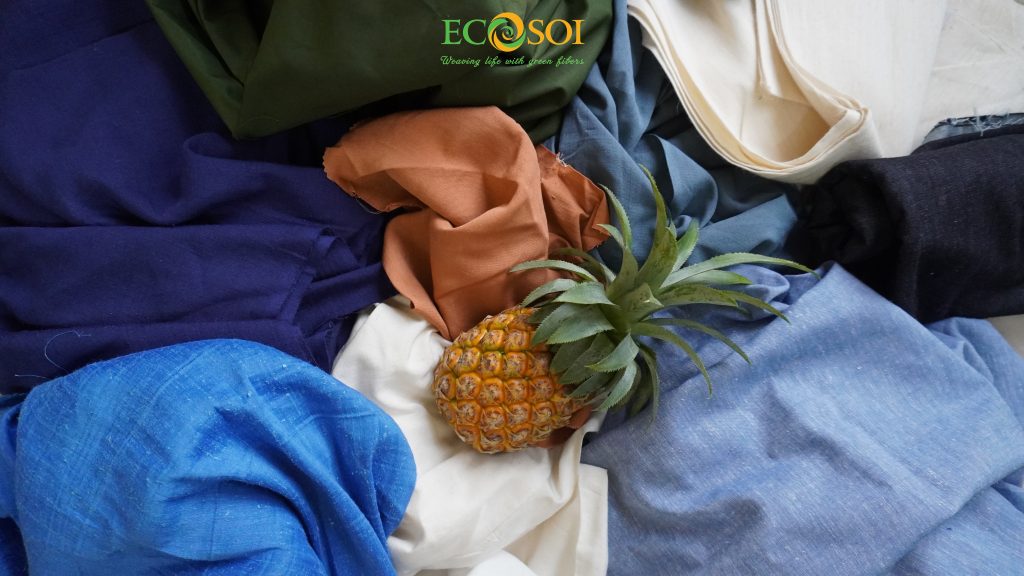
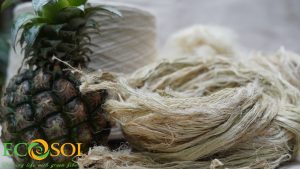
Pineapple leaf fiber comes from pineapple leaves after fruit harvesting. In conventional farming, these leaves are often discarded or burned. This practice leads to waste and emissions.
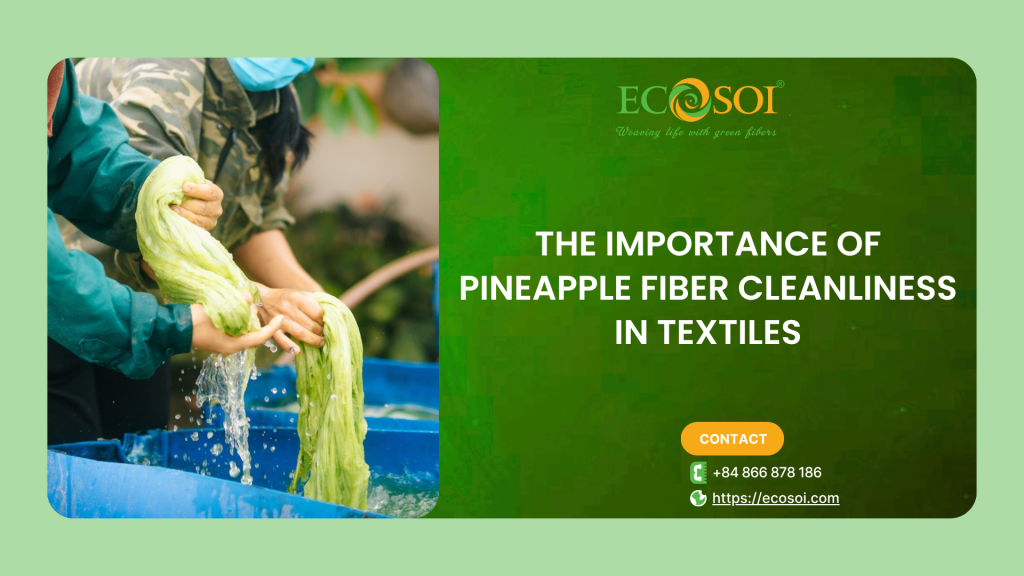
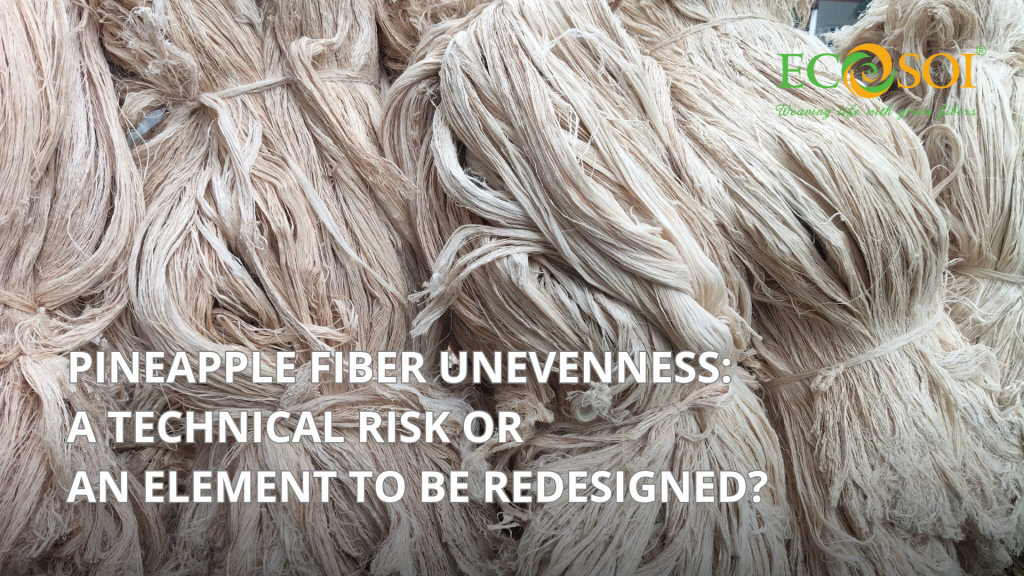
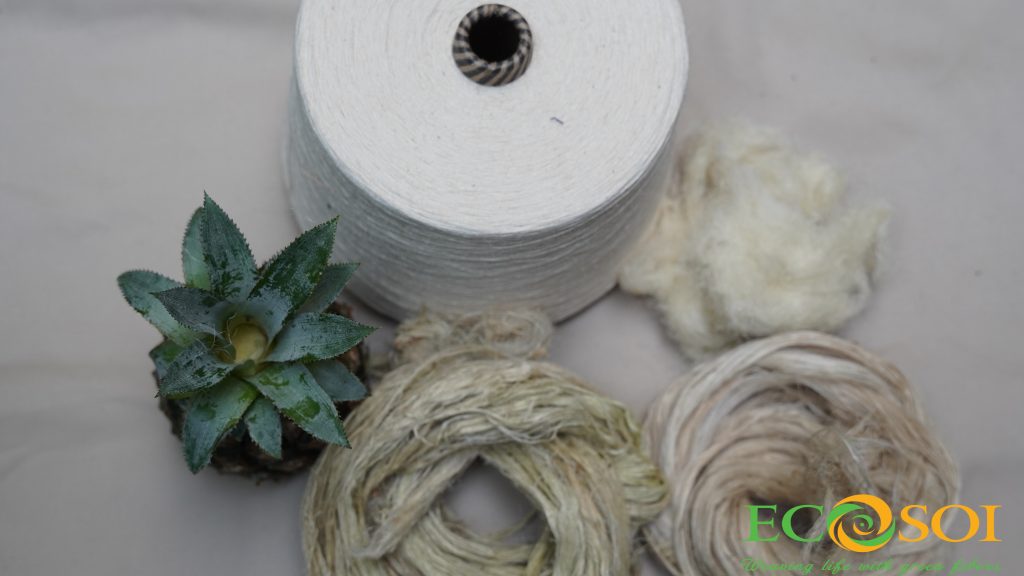
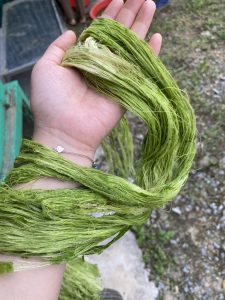
Through mechanical extraction and controlled processing, manufacturers separate cellulose fibers from the leaves. The result is a natural fiber suitable for textile applications.
Compared to synthetic fibers, pineapple leaf fiber shows distinct characteristics. Its structure is not fully uniform. Its surface remains raw and natural. In addition, it offers good breathability and skin comfort.
Because of these traits, pineapple leaf fiber is not a mass-market material. Instead, it suits value-added, sustainability-driven applications.
Environmental criteria
Using by-products and reducing resource waste
The strongest environmental advantage lies in resource efficiency. Pineapple leaf fiber uses agricultural by-products. It also reduces leaf burning after harvest. As a result, it helps lower greenhouse gas emissions.
Moreover, extending the life cycle of pineapple leaves supports circular economy principles.
Reducing dependence on synthetic fibers
Pineapple leaf fiber is bio-based and biodegradable. Therefore, it does not release microplastics during degradation.
In addition, it helps brands reduce dependence on fossil-based raw materials. This approach allows companies to introduce sustainable materials gradually, without disrupting the entire supply system.
Limitations that must be acknowledged
However, pineapple leaf fiber is not impact-free. Processing still requires energy and water. Environmental performance also depends on technology and scale.
For this reason, pineapple leaf fiber performs well under the E criterion. Yet it should not be described as “zero impact.”
Social criteria
Creating additional livelihoods for agricultural communities
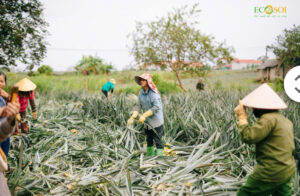
Collecting and processing pineapple leaves creates new income streams. Farmers gain added value from existing crops. Local jobs also emerge along the supply chain.
These outcomes directly support the Social dimension of ESG.
Connection to handicraft and local value chains
In many cases, pineapple leaf fiber supports small-scale or semi-handcrafted production. It also aligns with traditional skills and local knowledge.
As a result, these models help preserve craftsmanship. They also promote more human-centered production systems.
Labor conditions and transparency
Social impact depends on supply chain governance. Clear labor standards matter. Transparency is equally important.
Only when these factors are managed properly can pineapple leaf fiber fully meet Social ESG criteria.
Governance criteria
Traceability and supply chain management
Pineapple leaf fiber benefits from a relatively short supply chain. Raw material sources are clear. Traceability is easier than with many synthetic fibers.
Therefore, companies can improve ESG reporting. They can also manage supply chain risks more effectively.
Alignment with long-term development strategies
Pineapple leaf fiber does not replace all conventional materials. Instead, it supports pilot projects and sustainable product lines.
From a governance perspective, this makes it a controllable and strategic choice.
So, does pineapple leaf fiber meet ESG criteria?
The answer is yes — within clear and realistic limits.
Pineapple leaf fiber is not a perfect solution. It is not a full replacement. However, it offers solid ESG value when used responsibly.
For brands seeking bio-based materials without greenwashing risks, pineapple leaf fiber is worth testing and evaluating.
Ecosoi – A partner for ESG-oriented pineapple fiber trials
The real challenge for brands is not whether to adopt sustainable materials. Instead, it is about where to start, at what scale, and with what level of risk.
At Ecosoi, pineapple leaf fiber is treated as a material under responsible experimentation. It is not presented as a flawless promise.
Ecosoi focuses on clear raw material sourcing. It also controls processing based on natural fiber behavior. In addition, it works closely with experienced spinning and weaving partners.
As a result, brands can test materials at small scale. They can evaluate ESG performance internally. They can also balance environmental impact, technical feasibility, and cost.
Rather than offering a packaged solution, Ecosoi acts as a material development partner.
A starting point for the sustainability journey
Pineapple leaf fiber is not the end point of ESG. Instead, it can serve as a controlled starting step. It also works as a test case for new material thinking.
For companies looking for traceable pineapple fibers, partners who understand material limitations, and a realistic ESG approach, Ecosoi is ready to collaborate.