VIETNAMESE
10 Different Types of Natural Fabrics
Nội dung chính:
10 Different Types of Natural Fabrics
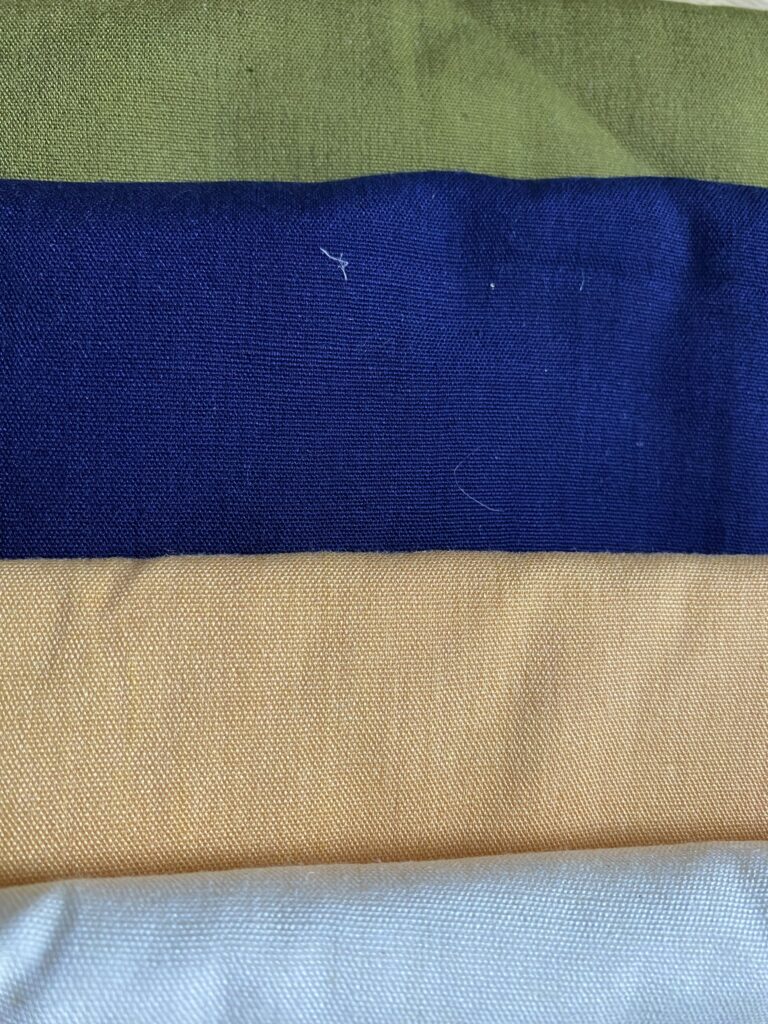
Fabric is an essential part of our everyday lives, surrounding us in the form of clothes, bedsheets, and various other textiles. Fabrics can be broadly classified into two categories: natural and synthetic. Natural fabrics are derived from plant, animal, or mineral sources and have been used for centuries for clothing and furnishing purposes. These fabrics are often softer, more breathable, and gentler on sensitive skin.
In this article, we will explore 10 popular types of natural fabrics, delving into their sources, properties, and typical uses. Understanding the characteristics of these fabrics can help you make informed purchasing decisions and enhance the comfort and aesthetics of your life. 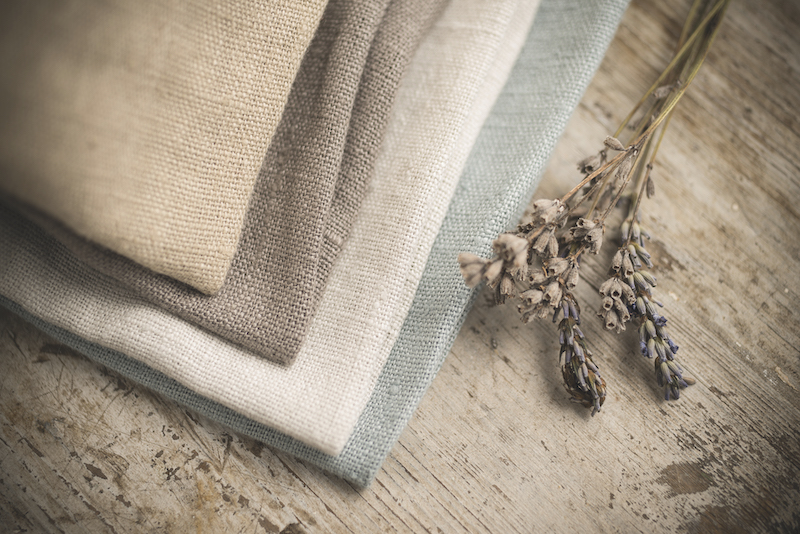
Properties of Natural Fibers
Natural fabrics, derived from plants, animals, or minerals, possess unique properties and characteristics that distinguish them from synthetic materials created in labs and factories. These properties contribute to their appeal and diverse applications.
Some key properties of natural fibers include:
- Breathability: Fabrics like cotton, silk, and linen allow for better air circulation and moisture-wicking, making them lightweight and comfortable.
- Absorbency: Cotton, wool, and sisal effectively absorb moisture and sweat, keeping the wearer dry.
- Strength and Durability: Hemp, jute, and leather are naturally strong and durable, maintaining their integrity even with regular use.
- Insulation and Warmth: Wool provides excellent insulation against cold due to the air pockets trapped between the fibers, making it ideal for cold-weather clothing.
- Biodegradability: Natural textiles like cotton, silk, and hemp decompose without harming the environment, contributing to a more sustainable production process.
Advantages and Disadvantages of Natural Fabrics
Natural fabrics like cotton, silk, wool, and linen have been used for clothing and other textiles for millennia. While synthetic fabrics have gained popularity in recent decades, natural fibers continue to be favored for their unique advantages.
Advantages:
- Breathability: Natural fibers like cotton and linen are porous, allowing for airflow and moisture absorption, making them comfortable and preventing sweating, unlike some synthetics.
- Softness: Materials like cotton and silk are inherently soft, while wool softens over time. Many synthetic fabrics can be scratchy unless chemically treated.
- Durability: Natural fabrics like wool and silk are exceptionally strong and long-lasting, often outlasting their synthetic counterparts with proper care.
- Sustainability: Natural fabrics are derived from renewable resources and biodegrade at the end of their life cycle, unlike most petroleum-based synthetics, which are not easily recycled.
- Hypoallergenic: Fibers like cotton and silk are less likely to irritate sensitive skin compared to synthetic materials, which can cause rashes. They also accumulate less static electricity.
Disadvantages:
- Wrinkling: Natural fabrics like linen and cotton tend to wrinkle easily and may require ironing or steaming, unlike synthetics that generally retain their shape better.
- Pilling: Natural fabrics can develop pills (small balls of fiber) over time, especially with friction. Synthetic fabrics are less prone to pilling.
- Shrinking: Natural fabrics may shrink significantly when washed in hot water or dried at high temperatures, necessitating special care.
- Staining: Natural fibers absorb liquids more readily than synthetics, making stains from spills and grease difficult to remove completely.
- Mildew: Natural fibers can provide a breeding ground for mildew and mold, especially in damp environments, while synthetics resist mildew growth.
- Moth Damage: Protein fibers like wool and silk are susceptible to damage from carpet beetles, clothes moths, and other insects, unlike synthetics.
- Price: Natural fabrics often cost more than their synthetic counterparts, particularly for luxurious materials like silk.
The choice between natural and synthetic fabrics involves weighing these tradeoffs. While natural fabrics may require more care, their comfort, luxury, and sustainability benefits make them a preferred choice for many.
10 Different Types of Natural Fabrics
-
Cotton: Derived from the soft fibers surrounding cotton plant seeds, cotton is soft, breathable, absorbent, easy to dye, and widely used in clothing, home furnishings, and towels.
-
Linen: Made from flax plant fibers, linen is strong, absorbent, lightweight, resistant to dirt and stains, and commonly used in clothing, bedsheets, and tablecloths.
-
Silk: Produced by silkworms, silk is lightweight, smooth, lustrous, and often used in luxury clothing, bedding, and upholstery.
-
Wool: Obtained from sheep hair fibers, wool is warm, durable, wrinkle-resistant, flame-resistant, and commonly used in clothing, blankets, and rugs.
-
Hemp: Derived from the Cannabis sativa plant, hemp is durable, absorbent, antimicrobial, eco-friendly, and used in clothing, furnishings, and bags.
-
Leather: Made from tanned animal hides, leather is durable, versatile, water-resistant, and used in clothing, shoes, and accessories.
-
Cashmere: Obtained from the soft undercoat of cashmere goats, cashmere is soft, delicate, lightweight, warm, and used in luxury clothing like sweaters, scarves, and suits.
-
Bamboo: Made from bamboo plant fibers, bamboo fabric is breathable, moisture-wicking, thermal-regulating, antibacterial, and used in clothing, bedsheets, and towels.
-
Sisal: Derived from Agave sisalana plant leaves, sisal is durable, coarse, absorbent, resistant to saltwater, and used in ropes, rugs, and baskets.
-
Jute: Obtained from jute plant stem fibers, jute is strong, durable, breathable, biodegradable, and used in bags, ropes, and home textiles.


Conclusion
Natural fabrics offer a wide range of unique benefits and characteristics, making them valuable choices for various applications. By understanding the properties and proper care of these fabrics, you can make informed decisions and enjoy the comfort, luxury, and sustainability they offer.