 VIETNAMESE
WHAT KEY FACTORS DEFINE GREEN PRODUCTS BEYOND CARBON FOOTPRINT?
Cutting emissions is a common goal in green campaigns. However, tracking greenhouse gases shows only half of the full story. To judge true value, we must check green products beyond carbon footprint through strict water, chemical, and social rules.
This guide reviews 5 key eco-factors beside carbon scores. In addition, it shows how natural pineapple fiber from Ecosoi provides a practical answer for fashion in Vietnam.
Nội dung chính:
Why is a carbon score not enough to judge green products?
A carbon score measures the gas released during production. Even so, an item with low carbon output can still harm nature in other ways.
For example, some recycled synthetic fabrics emit little carbon during heat processing. Yet, they shed millions of microplastics into rivers during each wash. Therefore, looking at green products beyond carbon footprint helps brands and buyers avoid one-sided greenwashing traps.
5 Core factors of green products beyond carbon footprint
To check true sustainability, textile experts look at 5 main points:
Water footprint and clean water care
Standard textile making consumes huge amounts of clean water. In fact, mills use fresh water for crop fields, fiber washing, and fabric dyeing.
A true green material must keep its water use very low. Instead of picking crops that need heavy watering, makers prefer rain-fed crops or farm waste. As a result, this choice protects precious local groundwater.
Chemical control and zero toxic residues
Raw fiber cleaning and fabric dyeing often use harsh bleaches or heavy metal dyes. Consequently, untreated wastewater pollutes local rivers and destroys living soil microbes.
Because of this risk, green goods must follow strict chemical rules:
- Use mechanical peeling and clean water or bio-enzyme soaking.
- Ban hazardous chemicals that harm nature.
- Use closed-loop water systems to recycle factory water.
Waste lifecycle and natural biodegradation
Millions of tons of old clothes end up in landfills every year. Petroleum-based synthetics take hundreds of years to break down. During this long time, they constantly release plastic fibers into soil and seas.
In contrast, quality eco-products break down naturally in soil. After their useful life, they turn into organic food for crops. Thus, this clean cycle forms the core basis of a circular economy.
Biological safety and gentle daily wear
An eco-product must remain safe for the person wearing it. If a fabric causes itching or traps damp smells, consumers will stop using it.
For this reason, natural textiles should offer built-in benefits:
- Smooth surfaces that prevent skin rash on sensitive skin.
- Airy structures that vent heat and absorb sweat quickly.
- Natural anti-bacterial traits that reduce body odor during movement.
Social ethics and transparent supply chains
True sustainability always goes hand in hand with fair worker care. Furthermore, a green product should never come from forced labor or unsafe work conditions.
A clean supply chain guarantees fair pay for both farmers and factory staff. In addition, businesses must share open data from farm fields to finished fabric rolls.
Ecosoi pineapple fiber: Meeting multi-dimensional green standards
To satisfy these strict points, Ecosoi has developed high-grade natural pineapple fiber from local Vietnamese farming lands.
Reusing farm waste without using extra land
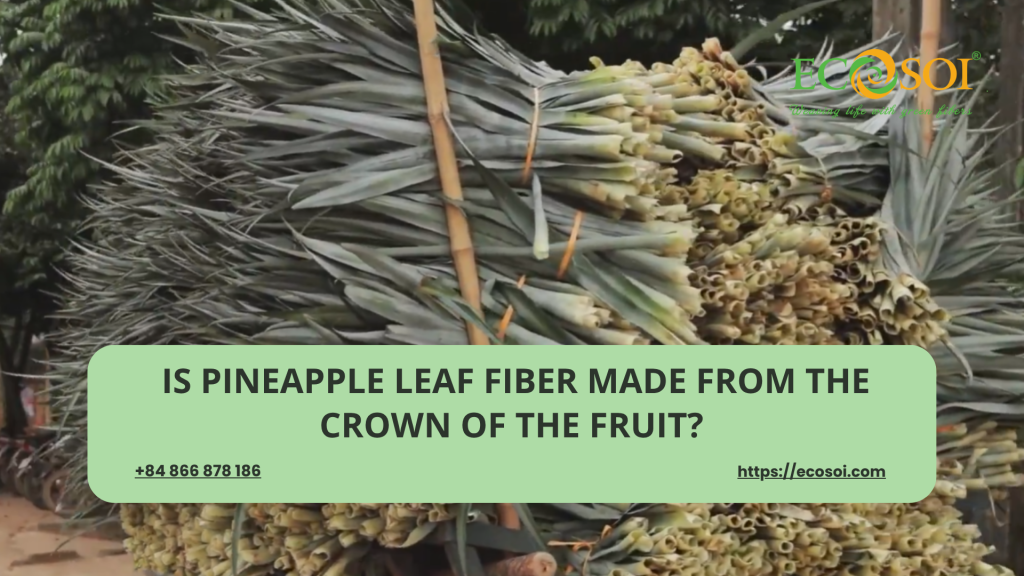
Vietnam has large pineapple farms across Thanh Hoa, Nghe An, and Ninh Binh. After fruit harvests, tons of fresh leaves are left behind or burned in fields.
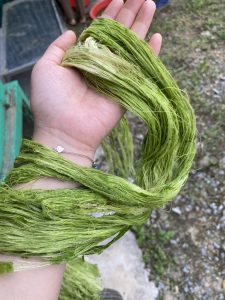
Therefore, Ecosoi gathers these leaves to extract clean fibers. This method requires no new food-growing lands. At the same time, it solves rural waste problems directly.
Clean mechanical extraction and water retting
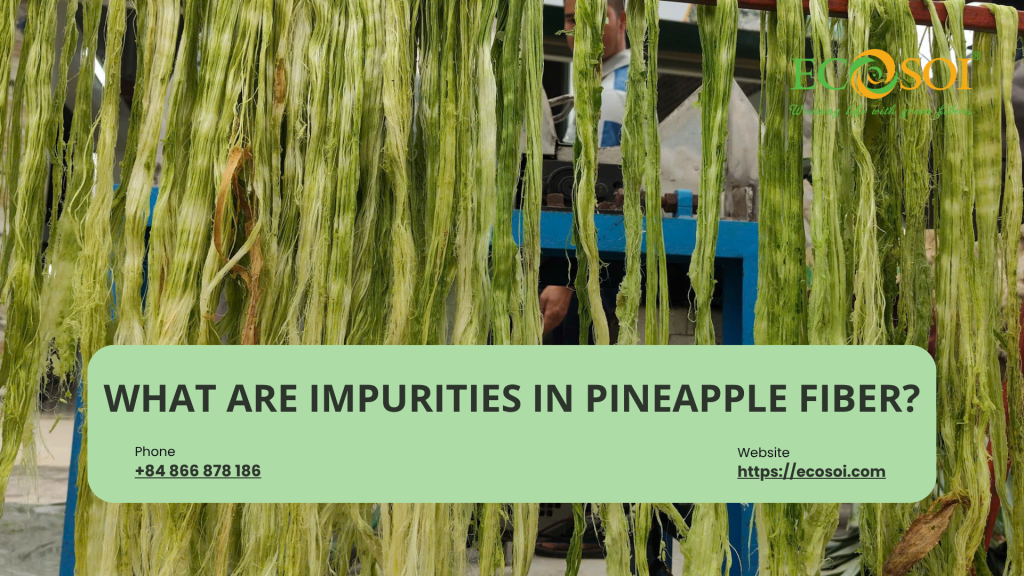
Ecosoi uses mechanical scrapers directly on fresh leaves. Next, workers soak the fibers in clean water and dry them under warm sunlight.
This gentle process avoids toxic industrial bleach entirely. Consequently, the fiber keeps its strong cellulose structure, staying durable while protecting local groundwater.
Diverse materials for sustainable fashion brands
Ecosoi supplies various raw inputs to meet diverse textile needs:
- Raw pineapple fiber (grades Q1, Q2, Q3) and carded fiber: Ideal for spinning mills, bio-leather bases, and handcraft goods.
- Blended yarns with Cotton or Ramie (counts 10Ne, 20Ne, 30Ne, 32Ne): Runs smoothly on commercial weaving and knitting looms.
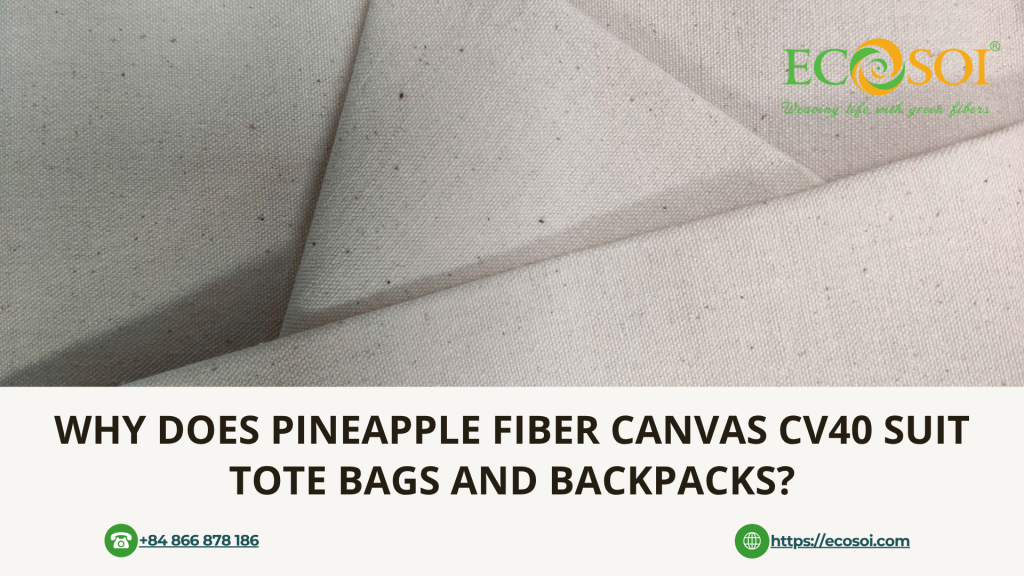
- Pineapple canvas, woven, and knit fabrics: Delivers high strength and breathable textures for garments, bags, and home items.

Shop – ECOSOI – Weaving life with green fibers
Creating stable jobs for local farming communities
Beyond ecological value, Ecosoi brings stable jobs to rural workers. For instance, pineapple farmers earn extra income by selling discarded leaves and helping with fiber prep. As a result, this model offers a practical answer to social equity in textile chains.
What should clothing makers do to avoid one-sided greenwashing?
To build a truly sustainable fabric strategy, garment brands should take 3 clear steps:
- Examine the full material lifecycle: Look beyond carbon scores to verify water consumption and chemical processing.
- Test physical fabric swatches: Check fabric shrinkage, natural dye uptake, and loom strength before placing bulk orders.
- Partner with open local suppliers: Choose makers with clear farm origins to trace raw materials with ease.
Conclusion
Evaluating green products beyond carbon footprint gives us a complete and accurate view of sustainable fashion. Choosing natural pineapple fiber cuts rural waste while saving clean water and protecting personal health.
Is your company looking for certified pineapple fiber and natural fabrics for your next collection?
- Explore our full material collection on the official Ecosoi Website
- Request fabric swatches and wholesale quotes via the Ecosoi Facebook Page