 VIETNAMESE
What is the difference between knitted and woven fabric?
Fabric is the heart of every garment. In fact, your choice of fabric sets the style, shape, and comfort of your clothes. Therefore, knowing the difference between knitted and woven fabric is very useful for designers and eco-friendly shoppers alike. However, many people still find it tricky to tell them apart. This guide will explain their main differences in simple terms. In addition, we will look at new green choices made from natural pineapple leaf fiber.
Nội dung chính:
Overview of knitted and woven fabrics
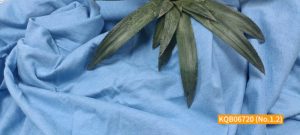
What is knitted fabric?
Knitted fabric is made by looping yarn together. These loops connect with each other in rows. As a result, this looped structure makes the fabric soft and stretchy.
What is woven fabric?
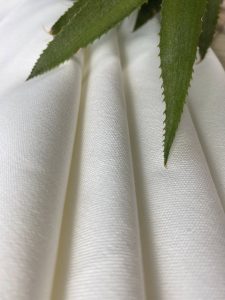
Woven fabric is made by crossing two sets of threads. The vertical threads are called the warp. Meanwhile, the horizontal threads are called the weft. These threads cross over and under each other in fixed patterns like plain or twill weaves.
Core differences between knitted and woven fabrics
The simple chart below shows how these two fabric types compare:
| Comparison criteria | Knitted fabric | Woven fabric |
| Structure | Interlocked yarn loops | Two sets of threads crossing |
| Stretch | Very stretchy in all directions | Low stretch |
| Shape and feel | Soft and body-hugging | Firm and holds shape well |
| Breathability | High, due to open loops | Tighter weave structure |
| Edge behavior | Edges curl up easily | Edges fray when cut |
Yarn structure and elasticity
Because of its loop structure, knitted fabric stretches very easily. As a result, clothes made from knits let you move freely. Conversely, woven fabrics hold tight straight threads. Therefore, woven items stretch much less, but they keep their shape very well over time.
Resilience and garment shape retention
Knitted fabrics are a great choice when you want soft, flexible clothing. However, woven fabrics win when you need clear structure. For example, business suits, dress shirts, and heavy workwear rely on woven materials.
Practical applications in daily life and manufacturing
When should you choose knitted fabric?
Thanks to its stretch, knitted fabric is widely used for:
- T-shirts, activewear, and yoga clothes.
- Underwear, loungewear, and soft baby clothes.
- Winter sweaters, beanies, and warm scarves.
When should you choose woven fabric?
With high durability and good shape retention, woven fabric is best for:
- Formal shirts, trousers, and work uniforms.
- Denim jeans and protective jackets.
- Home items like curtains, tablecloths, and couch covers.
Green material trends: Combining weaving techniques with Ecosoi pineapple fiber
Besides fabric types, the origin of raw materials is also key today. Currently, the use of natural pineapple leaf fiber is growing fast. This plant material brings new green solutions to the textile industry.
Knitted pineapple fiber: Delivering natural comfort
Using knitting methods on pineapple fiber creates a soft feel. Also, the finished fabric is naturally breathable and safe for the skin. As a result, it works great for comfortable everyday clothing.
Woven pineapple fiber: A durable solution for fashion and home decor
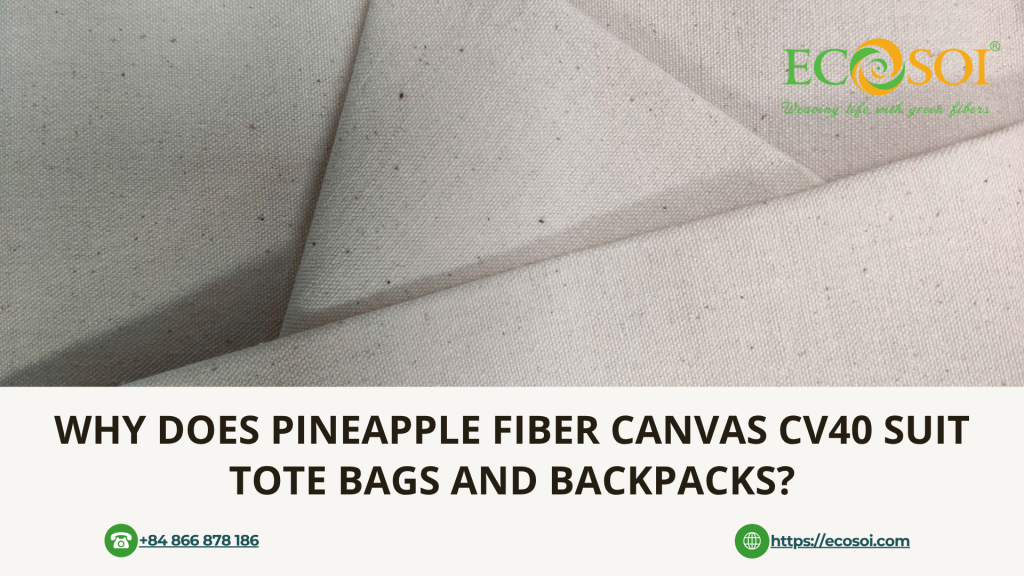
On the other hand, weaving with pineapple leaf fiber creates a strong fabric structure. The surface shows a unique natural texture. Therefore, this woven fabric is durable enough for tote bags, shoes, and home decor items.
Sustainable benefits for businesses and consumers
Choosing Ecosoi natural fiber solutions brings clear value to everyone:
- For B2B partners: It helps brands reduce their carbon emissions footprint. Furthermore, it adds green value to your product line.
- For B2C consumers: It gives buyers safe and skin-friendly choices. Consequently, you can wear natural items while helping to reduce farm waste.
Conclusion and recommended next steps
In short, knowing the difference between knitted and woven fabric helps you pick the right material. Knits bring ease and stretch, while wovens offer strength and structure.
If your brand is looking for high-quality sustainable natural textiles made from pineapple fiber, please contact Ecosoi today. Our team is happy to send free samples and support your production goals.