 VIETNAMESE
IS WHITE PINEAPPLE FIBER ENOUGH?
When buying pineapple fiber, many buyers look at color first. Indeed, people often assume that whiter fiber means cleaner raw material. However, in real textile production, white color does not mean everything. For instance, a bundle of white fiber ruined by strong bleach breaks easily during spinning. For spinning mills and weaving factories, technical factors matter most. In fact, they care far more about cleanliness, fiber length, and batch consistency.
So, how can you test pineapple fiber quality correctly? Let us look at this topic with Ecosoi from a real factory view.
Nội dung chính:
Why do people think whiter pineapple fiber is better?
Color is the easiest trait to see with your eyes. Consequently, many buyers assume that whiter fiber gets better processing. This habit comes from working with other fibers like cotton or viscose.
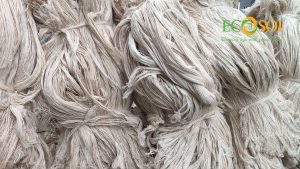
However, for natural pineapple leaf fiber, natural color depends on simple farm factors:
- Pineapple type and leaf health at harvest.
- Leaf age when workers remove the fiber.
- Stripping methods, whether by machine or hand.
- Water sources and drying methods.
Therefore, two fiber batches with slightly different ivory shades can still offer the same pulling strength.
Clean fiber leads to better spinning results
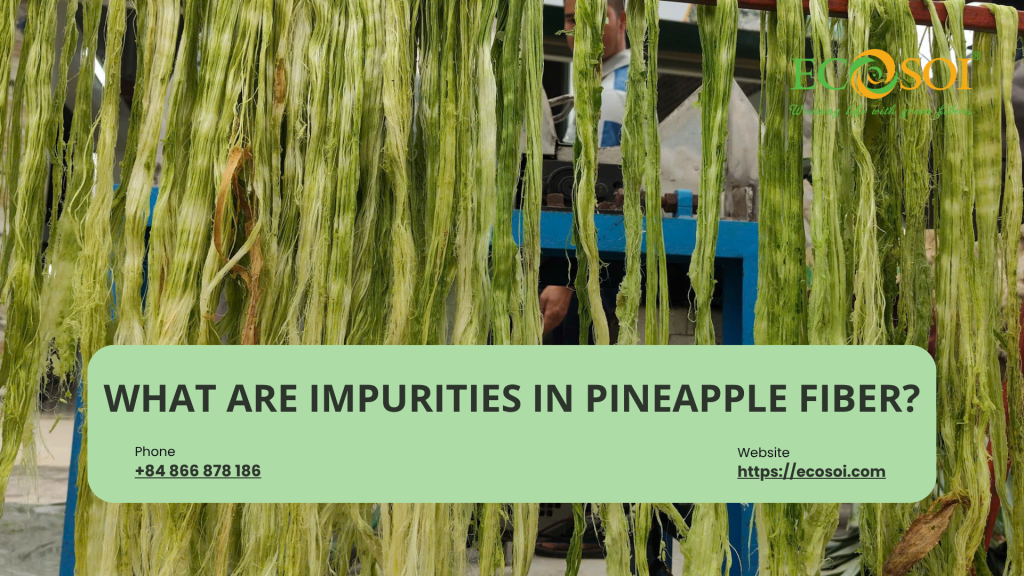
The main goal of processing pineapple leaves is not bleaching fibers white. Instead, the main task is removing leaf pulp and sticky plant gum.
If workers do not clean pineapple fiber well, leftover dirt creates big production problems:
- First, dry leaf pulp breaks threads on spinning frames.
- Next, sticky gum makes fibers clump together. Thus, carding becomes hard.
- Also, dirt creates small knots. As a result, fabric gets fuzzy.
- Finally, fabric absorbs dye unevenly in dye vats.
Therefore, textile engineers always value dirt removal over surface whiteness.
Real tests to check pineapple fiber quality in textiles
When checking pineapple fiber for mills, businesses should test four main points together:
Cleanliness from pulp and plant gum
Clean fiber helps carding machines run smoothly. Furthermore, waste fiber loss during spinning stays much lower.
Fiber length and short fiber ratio
Fiber length directly changes thread strength:
- Long and even fibers: Keep thread strong. Thus, fibers stand up to high pulling forces on weaving looms.
- High short fiber ratios: Cause thread gaps. Consequently, fibers create extra dust in sewing factories.
Natural strength and stretch
If mills use strong bleaching chemicals, pineapple fiber gets weak and dry. In contrast, good pineapple fiber must keep its natural toughness when pulled by hand.
Steady quality across all batches
For big B2B orders, quality changes between deliveries must stay small. As a result, factories keep machine settings without making constant changes under rules from ISO.
What happens when you bleach pineapple fiber too much?
Many suppliers try to bleach pineapple fiber using strong chemicals. Indeed, this method gives a bright white color, but it lowers fiber strength.
Strong bleaching ruins natural bonds inside the plant structure. Consequently, pineapple fiber gets soft and breaks easily on looms.
Therefore, sustainable textile brands following rules from Textile Exchange accept natural ivory shades. They care more about keeping natural fiber strength.
Simple checklist to test pineapple fiber before buying
Businesses can use this quick table when checking pineapple fiber samples:
| Technical point | Real target to hit | Risk if missed |
| Pulp cleanliness | Free from dry leaf pulp or sticky gum | Tangled fibers and broken needles during carding |
| Fiber strength | Does not snap or crumble when pulled | Weak thread that breaks easily during weaving |
| Moisture level | Kept at standard levels (10% – 12%) | Mold risk if too wet, dry cracks if too dry |
| Even size | Fiber bundles show similar length | Uneven thread thickness during spinning |
| Traceability | Clear data on leaf collection areas | Trouble showing clear supply chain records |
How Ecosoi handles raw materials
As a supplier of pineapple fiber, yarn, and pineapple fiber fabric Ecosoi, we do not push for white fiber at all costs. Instead, Ecosoi focuses on clean machine processing:
- First, we clean leaf pulp and plant gum using safe methods.
- Second, we protect natural fiber strength and good fiber length for spinning.
- Finally, we check moisture levels before packing bales for buyers.
Clean fiber lets weaving mills mix pineapple fiber easily with cotton or viscose. From there, they make high-grade fabrics for factory production.
Conclusion
Testing pineapple fiber quality by surface color alone is not enough. Cleanliness, fiber toughness, and fiber length are the real points that drive weaving results. Choosing clean fiber sources from the start helps businesses cut fix costs during production.
If you need clean pineapple fiber samples for spinning tests or new products, contact Ecosoi today for technical help.
Frequently asked questions (FAQ)
- Can natural ivory pineapple fiber take light dye colors?
Yes. Once woven into fabric, factory dyeing steps prepare the base fabric to take any color evenly.
- Does Ecosoi give pineapple fiber samples for testing?
Yes. Ecosoi provides clean fiber samples so research labs and mills can test them first.
- How long can clean pineapple fiber stay in storage?
Fiber cleaned of plant gum and dried to correct moisture levels can stay in clean storage for 12 to 24 months without mold.