 VIETNAMESE
BALANCING SUSTAINABILITY AND THE TECHNICAL PERFORMANCE OF PINEAPPLE FIBER FABRIC
In the shift toward green living, pineapple fabric is emerging as a promising eco-friendly solution. This material promises significant environmental benefits. However, alongside the ecological narrative, an important question arises. Is the technical performance of pineapple fiber fabric sufficient to meet practical everyday demands?
In reality, a textile material is truly sustainable only when functionality and ecology go hand in hand. If a product degrades quickly or feels impractical, its short lifecycle destroys the original purpose of green materials. Therefore, this article analyzes this balance from a specialized textile engineering view.
Nội dung chính:
Understanding technical performance in textiles
Experts do not evaluate the technical performance of pineapple fiber fabric merely by the softness of its surface. In the textile industry, this concept comprises a set of measurable engineering criteria.
Criteria for evaluating technical performance
Generally, factories assess technical performance based on:
- Tensile and tear strength
- Abrasion resistance
- Dimensional stability after washing
- Breathability and moisture management
- Colorfastness and finishing capabilities
So, a sustainable material cannot win praise solely for its biological origin. It must prove its capability through these practical stress tests.
Original sustainable advantages of pineapple fabric
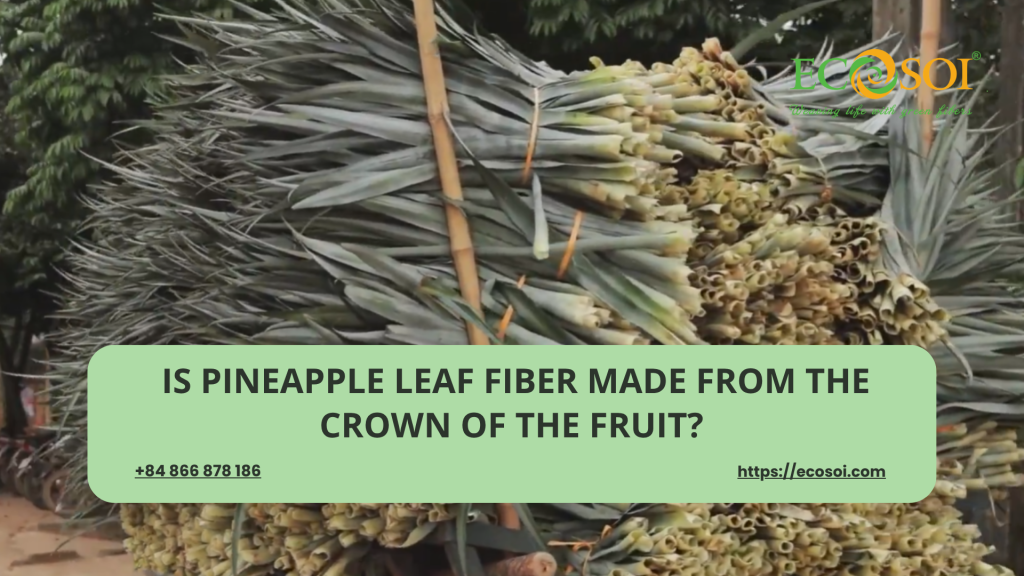
Workers produce pineapple fabric entirely from discarded pineapple leaves. This is the agricultural waste left behind after each fruit harvest. Therefore, it serves as an abundant and readily available renewable resource.
Ecological value of natural pineapple fiber
This origin provides an immense ecological advantage for pineapple fiber. The production process efficiently utilizes agricultural waste. As a result, it minimizes resource waste. Furthermore, cultivating pineapple fiber does not compete for land with food crops. This model genuinely drives the development of a circular economy.
However, environmental sustainability is only half of the story. The other half depends directly on the technical performance of pineapple fiber fabric when applied to daily life.
Natural technical limitations of pineapple fabric
Like all natural fibers, pineapple fiber has inherent physical and mechanical traits. We must view these limitations honestly to find the best solutions.
Limitations in mechanical strength and tensile resistance
Pineapple fiber features a naturally long cellulose structure. This trait gives the fabric excellent rigidity. In addition, users highly rate its ability to maintain garment shape. However, the elasticity of pineapple fiber is lower than that of polyester or nylon. This disadvantage makes raw pineapple fabric unsuitable for items that need multi-directional stretch.
Limitations in abrasion resistance and surface durability
In high-friction environments, pineapple fabric shows certain limitations. For instance, small pills or loose fibers may appear on the fabric surface after long use. This issue can reduce the overall beauty of the garment.
Therefore, businesses must plan carefully if they use this material for high-frequency products. You should proactively choose an appropriate weave structure. At the same time, you should combine the material with advanced technical finishing methods.
Why balancing performance and sustainability is crucial
If a green material suffers from poor performance, the product will have a very short lifespan. Consumers must then shop more often. They have to replace clothes continuously, which accidentally increases the total waste in the environment.
Conversely, high-performance materials that lack ecological responsibility create immense environmental pressure. They silently destroy natural ecosystems in the long run. Therefore, balancing these two factors is a mandatory requirement for every green brand.
Approaches to optimize the technical performance of pineapple fiber fabric
To resolve these technical challenges, modern textile manufacturers apply three synchronous solutions.
Fiber blending to improve material functionality
This is one of the most practical and effective methods available today. Manufacturers combine pineapple fiber with other strong fiber types at optimal ratios.
- Blending pineapple fiber with cotton significantly improves fabric softness.
- Combining it with recycled polyester strongly increases mechanical durability.
- Pairing pineapple fiber with viscose optimizes fabric drape and fashion beauty.
This smart approach maintains the core eco-friendly value of pineapple fiber. Additionally, it strongly upgrades the practical technical performance of pineapple fiber fabric.
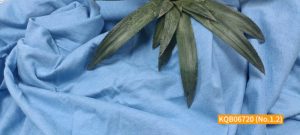
Designing material applications for the right context
Not every textile product requires the same performance standard. Pineapple fabric maximizes its potential when brands use it for its ideal product lines.
For example, this material fits casual wear and resort fashion lines very well. The mid-to-high-end sustainable fashion segment is also a fertile ground for pineapple fiber. In addition, lightweight interior products like curtains or pillowcases yield great results. When you place it in the right context, technical limitations transform into the unique, natural traits of the material.
Optimizing finishing processes and strict quality control
The actual performance of a product does not depend entirely on the raw input fiber. The weave structure also shapes this factor. Furthermore, post-dyeing fabric finishing technologies play a decisive role.
If factories thoroughly research and optimize these stages, pineapple fabric will achieve high stability. Consequently, the commercial use of the product will expand significantly in the market.
Technical performance linked to brand reputation
For businesses, choosing pineapple fabric is not simply a decision to change materials. This strategic decision directly affects your quality commitment to customers. It also impacts production scale and liability risks.
Therefore, enterprises must approach pineapple fiber as a conditional technical solution. Please maintain an objective view. You should avoid treating it as a perfect substitute for every type of fabric.
Understanding characteristics for smarter sustainable consumption
Modern consumers pay special attention to eco-friendly materials. However, customer expectations can easily shift if brands fail to provide enough information.
Customers need to know that pineapple fabric cannot be as soft as synthetic fabrics. This material always carries a signature natural, rustic, and crisp feel. Moreover, pineapple fiber garments require a specialized care and ironing routine. Once users clearly understand these traits, they will support the product long-term.
The Ecosoi perspective on balancing sustainability and performance
At Ecosoi, we never idealize pineapple fiber as a perfect, all-powerful material. Instead, we always choose a practical, honest, and scientific approach.
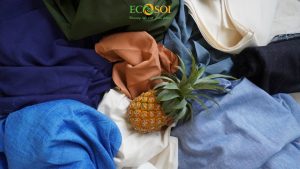
Ecosoi transparently evaluates both the technical advantages and disadvantages of the material. We focus on developing specialized fiber solutions for each specific need of our partners. In addition, Ecosoi commits to accompanying businesses throughout the sample testing process. This philosophy minimizes technical risks for the supply chain.
Explore more: Pineapple Fabric – ECOSOI – Weaving life with green fibers
Conclusion: True sustainability lies in balance
Pineapple fabric possesses immense ecological potential. However, its sustainable value is complete only when we leverage the technical performance of pineapple fiber fabric correctly.
True sustainability does not mean sacrificing product quality. Conversely, brands should not achieve high performance by trading away the living environment. The harmonious balance between these two factors is the only path forward for the future textile industry.
- Are you researching the applications of pineapple fabric but still worry about its technical performance?
- Do you need an expert consultant for blended fiber solutions that eliminate production risks?
Contact Ecosoi today to test and deploy the most authentic and effective sustainable material solutions.