 VIETNAMESE
DOES ECO-FRIENDLY MEAN POOR AESTHETICS?
For many years, people linked eco-labeled products with a plain image. Consumers usually think of monochrome designs. They also believed green clothing lacked a fashionable touch.
Unfortunately, this prejudice comes from the early days of the sustainability movement. Back then, the biggest priority was minimizing negative impacts on nature. Therefore, manufacturers did not invest deeply in outward look or design.
However, this viewpoint is becoming outdated in the modern textile industry. Thanks to rapid technological growth, green products today are no longer limited. They no longer suffer from rough textures or boring patterns. So, the market is re-evaluating whether eco-friendly means poor aesthetics with a much more objective view.
Nội dung chính:
Eco-friendliness and aesthetics: Two values moving together
In technical terms, ecological traits and aesthetic values are not opposing concepts. For instance, the ecological element refers to raw material origins and clean production processes. Meanwhile, aesthetics reflects design language, colors, and visual experiences.
When businesses apply the right technology, sustainable materials can become a premium design foundation. Indeed, the core issue does not lie within the natural resources themselves. On the contrary, the final result depends entirely on technical processing levels and brand mindsets.
The evolution of sustainable materials in the textile industry
In the modern textile sector, many types of sustainable materials have undergone a clear change. Traditional options like organic cotton or recycled fibers show constant improvements in durability. Furthermore, they provide a soft surface feel. They also open up many creative paths for fabric structures.
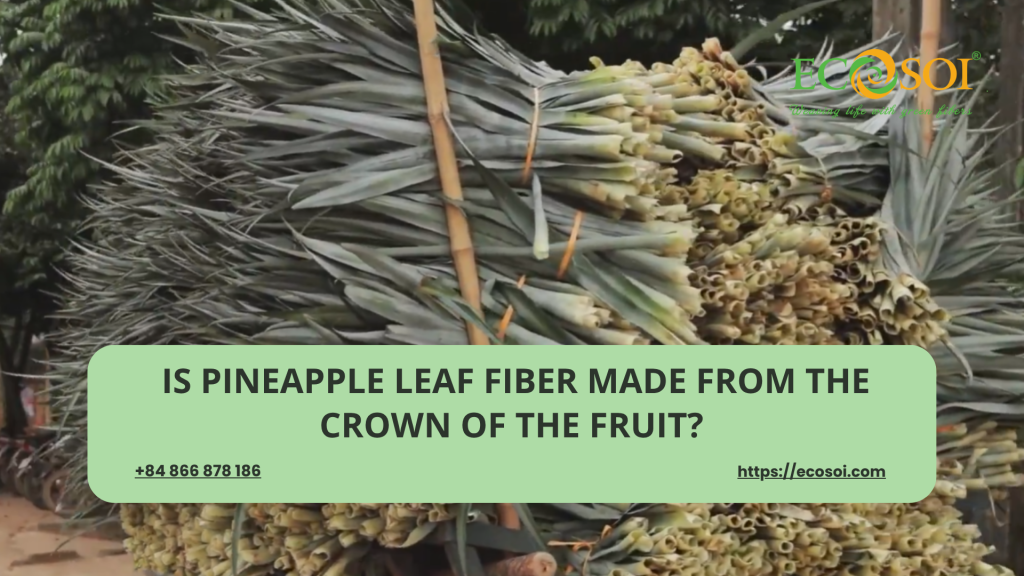
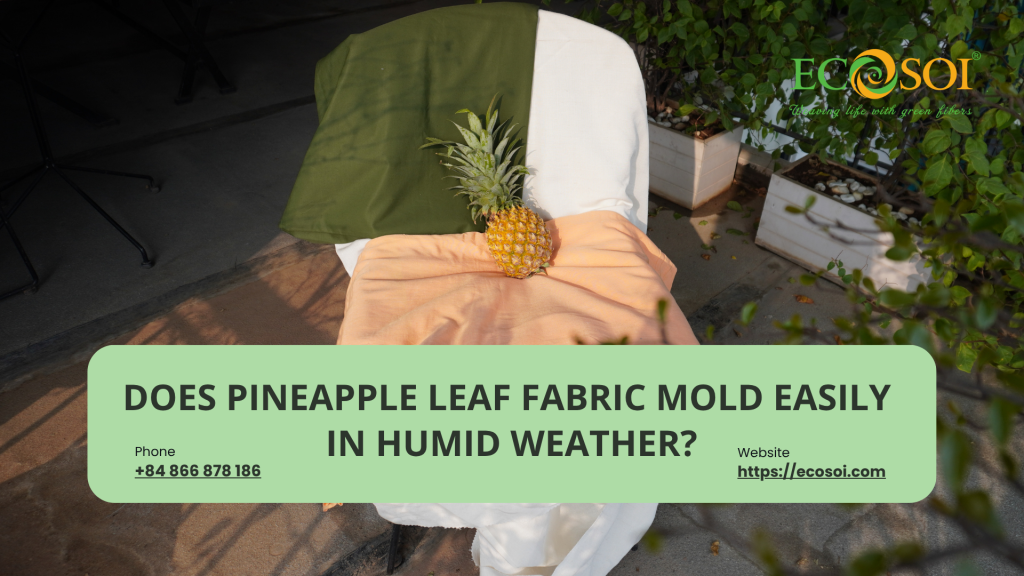
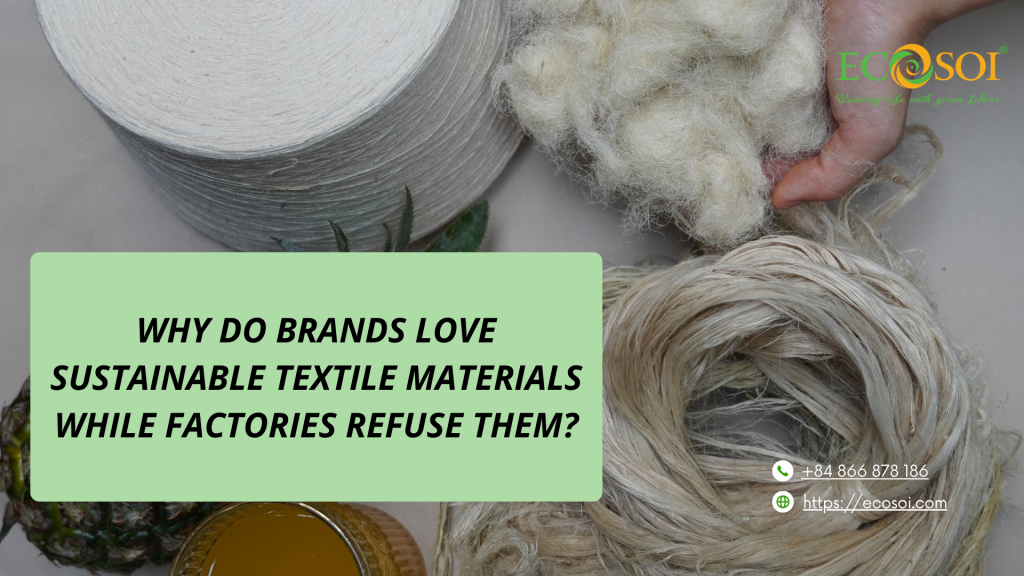
A prime example of this trend is the application of pineapple fiber. This is a new generation of bio-materials sourced entirely from agricultural waste. In the past, people often evaluated pineapple yarn as stiff with poor drape.
Challenging this view, modern physical and mechanical processing technologies have successfully changed the fiber structure today. As a result, modern pineapple yarn can achieve high fineness and stability. Therefore, this material easily meets the strict standards of both the fashion and interior industries.

The role of processing technology in enhancing aesthetics
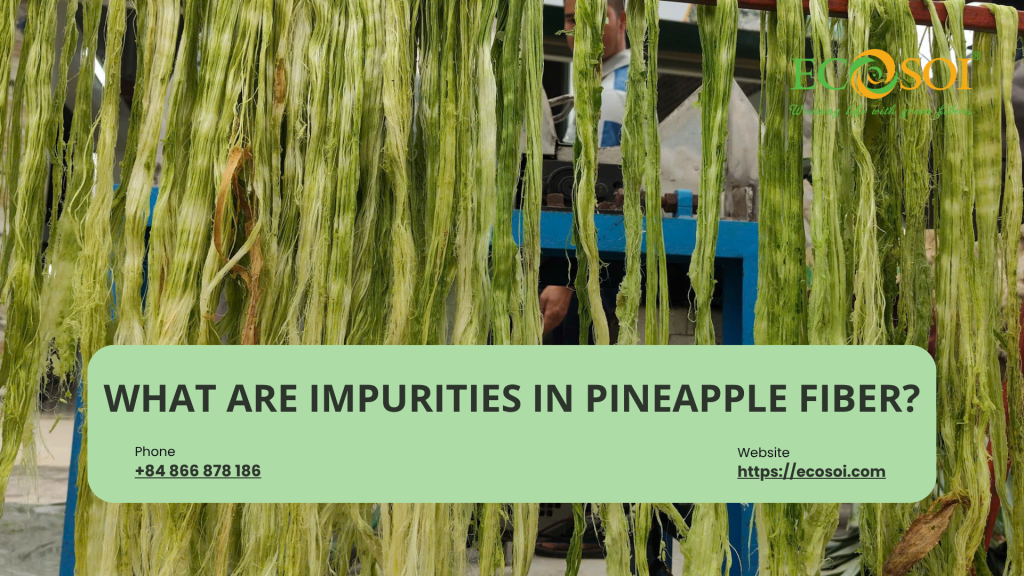
The aesthetic value of bio-materials depends heavily on deep manufacturing technology. For example, outstanding technical improvements today include high-precision mechanical fiber extraction. In addition, factories tightly control fiber cleanliness and reduce excessive chemicals.
Fortunately, these advanced methods help the material keep its harmonious, natural colors. At the same time, new technology significantly improves the dye absorption of the fabric.
According to trend reports from Textile Exchange, optimizing the processing line brings a double benefit. This activity reduces environmental impacts. Moreover, it elevates the sensory value of the finished goods.
New aesthetics: The beauty of nature and authenticity
In the current context, the consumer definition of beauty is gradually changing. Fashionable beauty is no longer limited by the artificial perfection of synthetic fibers. Instead, the market is beginning to prefer the natural traits and original stories of materials.
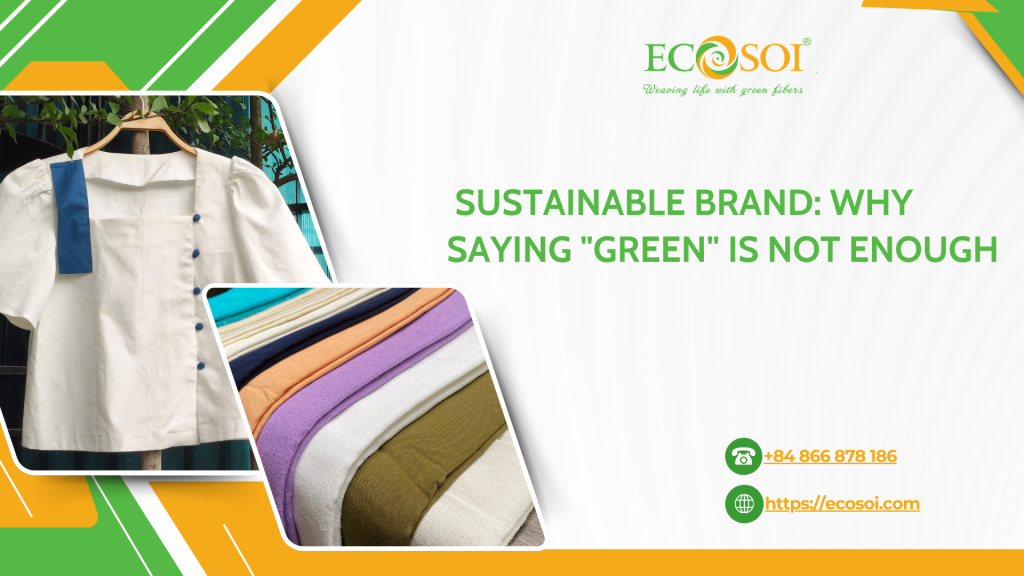
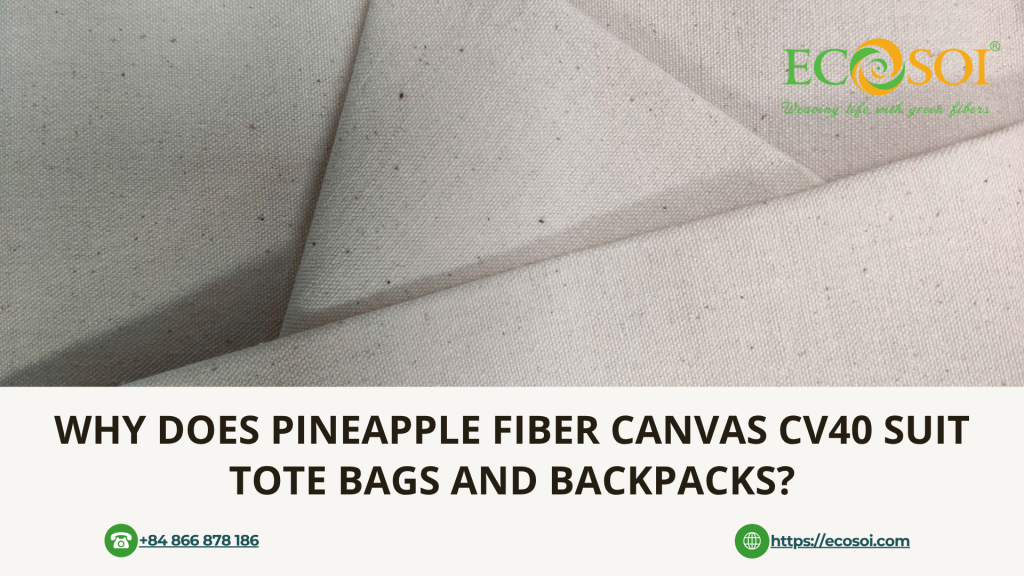
Therefore, natural ivory tones or unique shades of bio-fibers are no longer viewed as flaws. On the contrary, buyers see them as proof of product authenticity. This new aesthetic trend fits perfectly with specific segments:
- Premium lines within the sustainable fashion sector.
- Eco-interior designs and green living spaces.
- Lifestyle products aimed at long-term utility.
A B2B perspective: Aesthetics tied to performance and brand value
For B2B purchasing partners, aesthetic elements always come with technical stability. In fact, an eco-friendly material source with a consistent appearance brings major advantages:
- Production lines face much fewer technical risks during mass manufacturing.
- Showing sustainable development goals to the public becomes easy and clear.
- Global supply chains gain a much stronger core competitive capacity.
Because of this, modern enterprises usually prioritize materials with stable sensory quality. They no longer chase short-term surface effects like before.
A B2C perspective: What are consumers looking for?
For end consumers, the aesthetic value of green products connects directly with personal lifestyle. This customer group does not simply buy a well-designed piece of clothing. Furthermore, they choose a product because of its accompanying values:
- To begin with, they want a transparent and clear story of material origin.
- Next, they want a responsible consumption decision that protects the ecosystem.
- Finally, they want a personal style reflecting high environmental awareness.
Therefore, successful eco-friendly fashion brands always know how to combine two factors harmoniously. Those are sophisticated design language and clear product messages.
Reasons behind the aesthetic limitations of green materials
Business reality shows that green materials only face aesthetic limits due to a few objective reasons. First, the fiber processing technology at the factory might not be fully developed. Second, the product design process lacks proper investment. Finally, the brand might not have a clear segment strategy.
On the contrary, when target textiles are placed in the right marketing strategy, the results differ. They can completely achieve high artistic value and set new industry benchmarks. Then, the question of whether eco-friendly means poor aesthetics will no longer be a barrier for businesses.
Ecosoi and the solution to balance function and aesthetics
As a pioneer in developing materials from pineapple fiber, Ecosoi always pursues a balanced design direction. We focus on optimizing technical performance, ecological traits, and sensory values at the same time.
By tightly controlling cleanliness and using advanced mechanical processing, Ecosoi guarantees to supply standard materials that:
- Keep the harmonious, rustic, and natural shades of pineapple leaves completely.
- Remain flexible and easy to apply in many different design contexts.
- Meet the technical standards of the global market comprehensively.
So, this systematic approach proves that bio-materials can create products that are both beautiful and responsible.
Conclusion: The aesthetic of the future is sustainable aesthetics
In summary, the answer to the aesthetic and environmental puzzle in the new era is mutual support. When textile technology, design thinking, and brand strategy meet, bio-materials become more beautiful. In addition, they carry deeply meaningful values. This is the inevitable development trend of the global textile industry.
ECOSOI SUSTAINABLE MATERIAL SOLUTIONS INFO BOX
By optimizing advanced mechanical extraction and minimizing excessive chemical bleaching, Ecosoi proudly supplies pineapple fiber and yarn with superior mechanical performance. Our products are safe for the skin and completely friendly to the environment. Contact Ecosoi today to receive material samples for your business!