 VIETNAMESE
IS KNITTED OR WOVEN PINEAPPLE FIBER BETTER FOR THE TEXTILE INDUSTRY?
Bio-material solutions are gaining increasing attention in the sustainable textile industry. Consequently, manufacturers and fashion brands often ask an important question. They want to know whether knitted or woven pineapple fiber will deliver optimal efficiency.
In reality, this problem does not have a single absolute answer. In textile engineering, a single type of yarn does not belong exclusively to one fixed weaving method. On the contrary, the suitability of the material depends on many changing factors. These include the application purpose, the fabric surface structure, and the input fiber treatment method.
Therefore, you should not look for a rigid answer. This article will help you understand how to choose the right production method. All analyses are based on textile technical principles and practical material applications.
Nội dung chính:
Pineapple Fiber in the Textile Industry Is Not a Fixed Form
We need to clarify a foundational point before comparing the two textile techniques deeply. Pineapple fiber is not a material with unchangeable physical and mechanical properties. In industrial production, its characteristics can change significantly. This flexibility depends on several component factors, including:
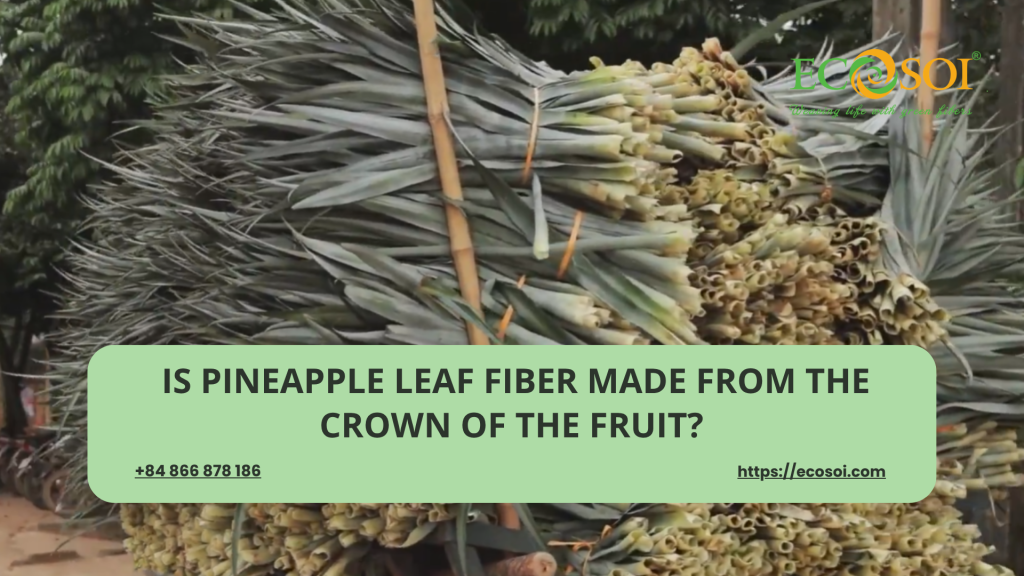
- The extraction method of raw pineapple leaf fiber (mechanical separation or biological treatment).
- The spinning technology (coarse spinning, combed yarn, or yarn twist).
- The blending ratio with other yarn lines (such as organic cotton, linen, or silk).
- The final application goal of the finished product.
Because of this, the name of the material does not dictate which weaving method to choose. Instead, the design direction will determine the use of a knitting or weaving production process. The manufacturer’s technical solution will ultimately decide this matter.
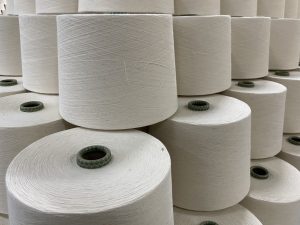
Classifying Applications Based on Fabric Structures
Knitting technique: flexible, soft, and focused on user experience
Knitting technology creates a fabric surface using a system of interlinked yarn loops. These loops continuously interlace and cross over each other. Due to this characteristic loose structure, knitted fabric is usually preferred for high-stretch clothing. It provides softness and absolute breathability when contacting the skin. Typical applications include T-shirts, polo shirts, or daily casual wear.
The adaptability of pineapple fiber to knitting machines deserves a strong emphasis. This factor does not only depend on the nature of the yarn. Furthermore, it depends heavily on how the loop density is designed. In practice, pineapple yarn can apply smoothly in knitting. However, the raw material must undergo softening treatments and proper twist control.
Currently, Ecosoi has successfully researched and developed a knitted fabric structure made from pineapple. This achievement proves the flexible capacity of this new material line. At the same time, it opens up a vast application potential in the consumer fashion market.
Woven technique: structural stability and superior shape retention
In contrast to knitting, the weaving technique utilizes a system of warp and weft yarns. These two yarn systems interlace perpendicularly according to fixed rules. This tight link structure gives woven fabric high mechanical strength. As a result, the fabric rarely deforms or shrinks during washing. It also possesses an extremely stable ability to retain the product’s shape.
For pineapple fiber, weaving is a popular choice for applications that need good load-bearing capacity. This method helps shape accurate forms for premium shirts, blazers, and trousers. Additionally, it is suitable for eco-friendly home interiors like tablecloths, seat covers, and curtains. However, this does not mean that weaving is superior to knitting. This is purely a technical decision based on the needs of the output product.
Should Businesses Choose Knitted or Woven Pineapple Fiber?
Businesses should base their decisions on the classification chart below to find the most accurate answer.
When to prioritize knitting
A business should choose a knitting structure solution when the product aims for the following criteria:
- It focuses on a comfortable feeling and stretches according to body movements.
- It requires flexibility and softness in casual wear fashion designs.
- The product segment targets active, dynamic, and young consumers.
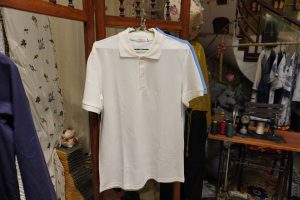
Explore more: Ecosoi’s knitted pineapple fabric
When to prioritize weaving
Conversely, a weaving solution will be the perfect answer when the project requires:
- The finished product demands high shaping capability, an upright form, and surface flatness.
- Multi-purpose applications are needed, ranging from office fashion to sustainable interior products.
- The brand needs absolute control over fabric shrinkage and durability after long-term use.
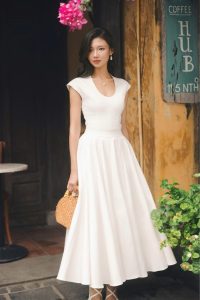
Explore more: Ecosoi’s woven fabrics
In short, neither technology is inherently better. The market only has material solutions that are more suitable for the product’s goals.
A Strategic Perspective for B2B Businesses in the Supply Chain
Garment manufacturers and fashion brands need a practical lens. The question of choosing between knitted or woven pineapple fiber should be approached from a commercial perspective: “What core experience must the product bring to the end consumer?”
A business must identify market needs clearly first. After that, you can move backward along the supply chain. At this point, deciding on the weaving method and optimizing costs will achieve the highest efficiency.
Ecosoi is a pioneer in developing sustainable materials in Vietnam. We always approach pineapple yarn with an open mindset. Therefore, we do not limit natural fiber materials to a single application. We actively collaborate with factories to develop diverse pineapple fabric structures.
For Consumers: Understand the Purpose of Use Instead of Technical Details
From an end-consumer (B2C) perspective, you do not need to memorize complex technical details. Instead, buyers should care about the purpose of use and the actual wearing experience.
Although they share the same origin from pineapple fiber, each production method will create different characteristics. Understanding this clearly helps consumers have the right expectations. Consequently, you will avoid misunderstandings when approaching “green material” products.
Conclusion: The Essence of Sustainable Fashion Lies in “Suitability”
Pineapple fiber is not limited to any exclusive textile technique. The final decision to choose a fabric structure still revolves around the product’s goal. The main deciding factor remains the user’s experience.
This consistent mindset is the key to helping businesses invest in materials accurately. It also helps brands execute honest communication. Meanwhile, consumers will gain a more realistic and civilized view of sustainable textiles.
ECOSOI MATERIAL TECHNICAL ADVISORY INFO BOX
Each textile structure requires specialized pineapple fiber processing standards. This helps achieve the highest machine operating performance and minimizes yarn breakage errors.
If your business is looking for solutions to optimize pineapple fabric structures for a new collection, please contact Ecosoi immediately. Our technical team will provide deep consulting, analyze test samples, and help you access industry-standard pineapple yarn.
Connect with Ecosoi here.