 VIETNAMESE
Sustainable Materials: When Buyers Start Asking Deeper Questions
For many years, an “eco-friendly” label was enough. It easily created good feelings and drove fast sales. However, that trend is changing very quickly today.
Shoppers are asking much deeper questions about sustainable materials. Where do these materials come from? How do factories process them? What is the real eco-impact? Furthermore, is there hard data to prove it? Truly, this shift is no longer a short marketing trend. Instead, it is a strict new standard for the global textile industry.
Nội dung chính:
The End of “Emotional Marketing”
In the past, marketing often used emotional words like “natural” or “zero waste.” However, the market is entering a totally new phase today. Now, buyers want to strictly quantify sustainability.
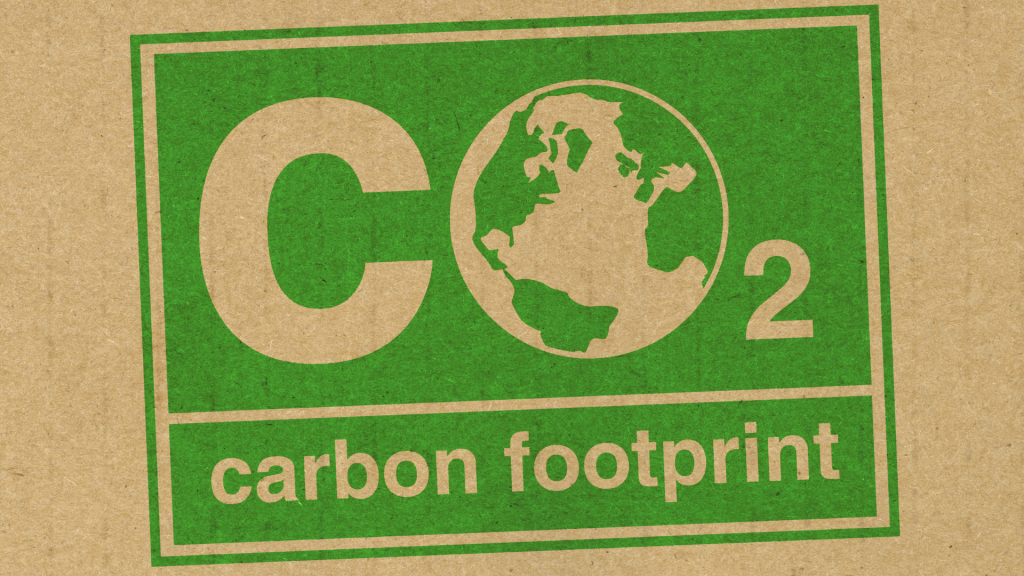
According to McKinsey and the Ellen MacArthur Foundation, supply chain transparency is crucial. Instead of empty promises, the market demands real facts. How much water does the factory use? Are the chemical levels completely safe? Finally, what is the carbon footprint of these sustainable materials?
Materials Face a Strict “Chain of Questions”
Today, buyers no longer just ask if an item is green. Instead, they start asking a deep chain of questions.
-
“Why exactly is it green?”
-
“At which specific stage is it green?”
-
“How will the quality hold up after three years?”
-
“Where will this fabric go at the end of its life?”
Basically, this is a massive shift in shopping behavior. Consequently, brands must base their fabric choices on the entire global supply chain.
Pineapple Fiber: Expectations vs. Reality
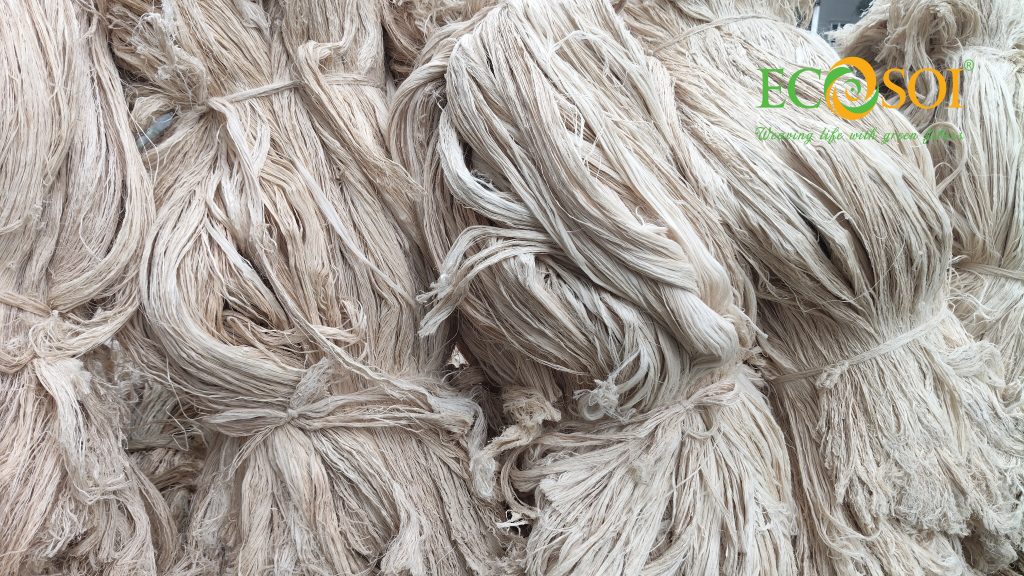
Often, people praise pineapple fiber as a top natural farm waste material. However, in B2B production, the story goes far beyond just its origin.
Business clients will ask very tough technical questions. Does the extraction process use heavy chemicals? What is the exact material waste rate? Furthermore, are the supply chain costs stable enough for industrial scaling?
This leads to a very important truth. A natural origin does not automatically mean “more sustainable.” It absolutely needs a transparent processing system. Sadly, a common mistake is using natural yarns just for a good image. Sometimes, brands use them but apply toxic chemicals. Other times, they use a tiny percentage but market it heavily as greenwashing.
How B2B Clients Choose Sustainable Materials Now
For B2B clients (like fashion brands and OEM factories), selection rules have changed massively. Previously, they only cared about price, color, and surface feel. Now, they strictly consider new factors:
-
Carbon footprint tracking.
-
Full material traceability.
-
Supply chain stability.
-
Global compliance rules (like REACH, OEKO-TEX, or GRS).
Therefore, a supplier’s role is no longer just selling raw goods. Instead, they must act as a reliable data partner. From B2B buyers to B2C shoppers (especially Gen Z), everyone demands solid proof over empty claims.
Explore: Why are more designers choosing agricultural-based materials?
Ecosoi’s View: Proving It With Real Data
Today, “green marketing” is shifting into “material accountability.” At Ecosoi, we view our sustainable materials as a verifiable data system.
Through our production hubs in Thanh Hoa and Nghe An, we strictly standardize our pineapple fiber processing. We optimize textile efficiency and heavily focus on supply chain transparency. Instead of just saying “we are green,” Ecosoi completes real CO2 calculation reports. Thus, we answer our partners directly. Where exactly are we green? What tools do we use to measure it? Finally, how well can we scale up mass production?
Conclusion
To sum up, the market is entering a strict new era. Simply put, there is no more room for vague claims. If shoppers ask deeper questions, the materials must provide deeper answers. Suppliers like Ecosoi do more than just join the supply chain. Actually, we are directly redefining how the textile industry practices sustainability.
Are you ready for this change? If your brand needs natural sustainable materials with clear data and great scalability, contact Ecosoi today!
Frequently Asked Questions (FAQ)
1. What is Material Accountability? This means suppliers and brands must be fully transparent. They must share clear quantitative data (like water use, chemical limits, and labor conditions). They can no longer just use emotional marketing words.
2. Why are buyers stricter with green materials today? The explosion of information has exposed many fast fashion greenwashing scandals. Because of this, buyers (especially in the EU and US) have become highly skeptical. They firmly demand independent certificates and tracking codes to verify brand promises.
3. What do OEKO-TEX and GRS mean in textiles? These are highly trusted global certificates. First, OEKO-TEX ensures the fabric contains zero harmful chemicals. Meanwhile, the Global Recycled Standard (GRS) tracks and verifies the recycled content in a final product. Also, it includes strict eco and social rules.