 VIETNAMESE
How Does Fast Fashion Affect the Environment?
The fashion industry has grown a lot in the last twenty years. However, this huge growth comes at a high cost to our planet. Today, many buyers and brands are asking a vital question. How does fast fashion affect the environment? This article will explore the negative impacts of fast fashion.
Nội dung chính:
What is Fast Fashion?
First, fast fashion is a very quick production model. Its main goal is to put new trends on store shelves as fast as possible.
To make more money, brands often use cheap materials like polyester. Also, they push for low labor costs and ignore green rules. Data shows that people now buy 60% more clothes than 15 years ago. Yet, they keep each item for only half as long.
This overbuying starts a huge eco-crisis. According to the World Economic Forum (WEF), about 30% of new clothes never sell. Sadly, many brands just burn them to protect their brand image.
How Does Fast Fashion Affect the Environment?
The impacts of fast fashion do not just stop at huge trash piles. In fact, it destroys nature from farming to dyeing and final disposal. Below are the three worst impacts noted by global groups.
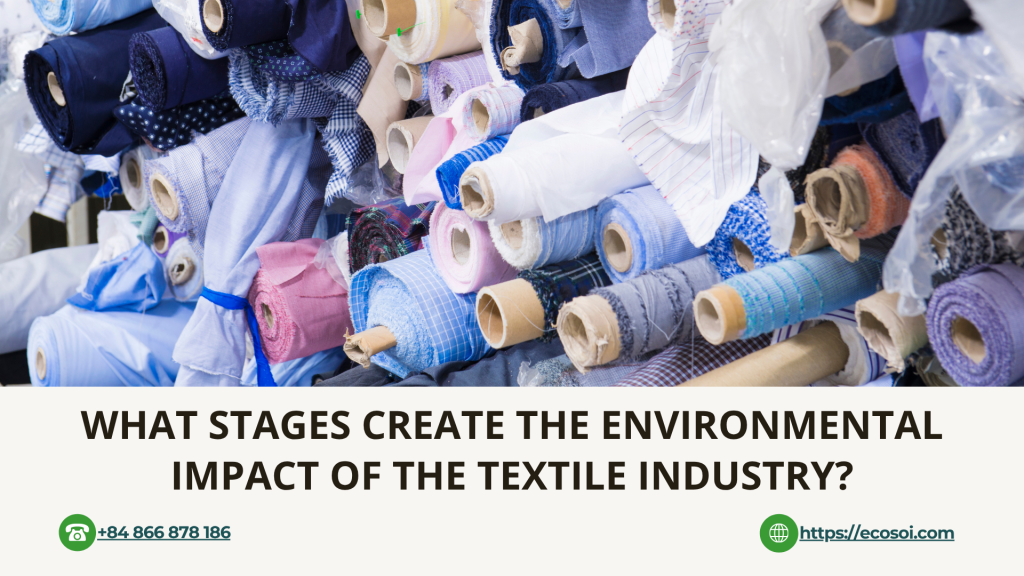
Huge Water Waste and Textile Environmental Pollution
First, clothing making is one of the biggest water users in the world. The UN Environment Programme (UNEP) says this sector uses about 215 trillion liters of water every year. This equals 86 million Olympic pools.
For example, making one normal cotton shirt takes 2,700 liters of water. This is enough clean water for one person to drink for two and a half years.
Also, fast fashion causes terrible textile environmental pollution. According to Earth.org, the fashion industry uses over 8,000 synthetic chemicals. Workers use them mostly to bleach, dye, and treat fabrics. Then, factories dump these toxic chemicals right into rivers without treating them. As a result, this directly hurts local wildlife and clean drinking water.
High Greenhouse Gas Emissions
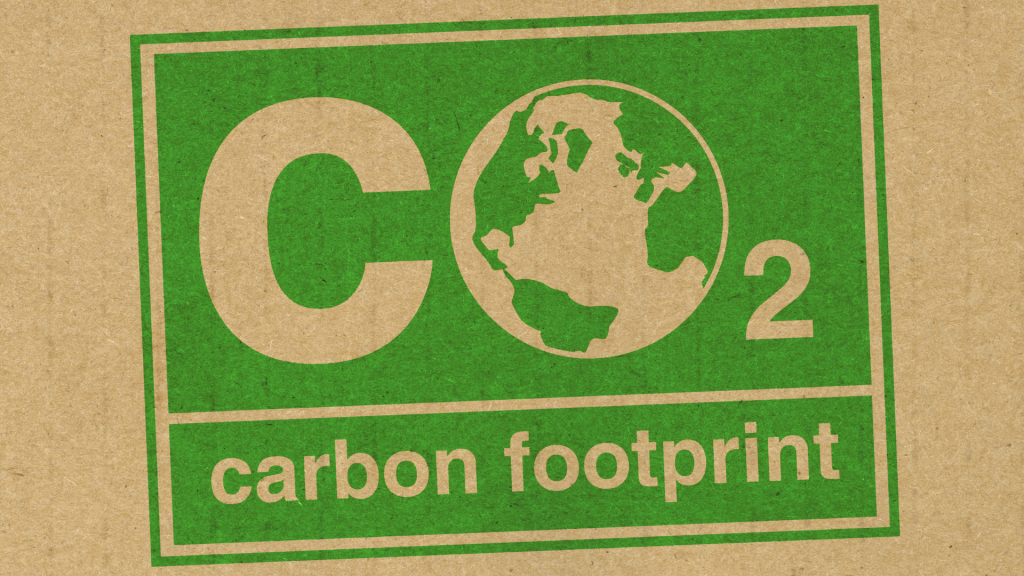
If you want to know how does fast fashion affect the environment, look at its carbon footprint.
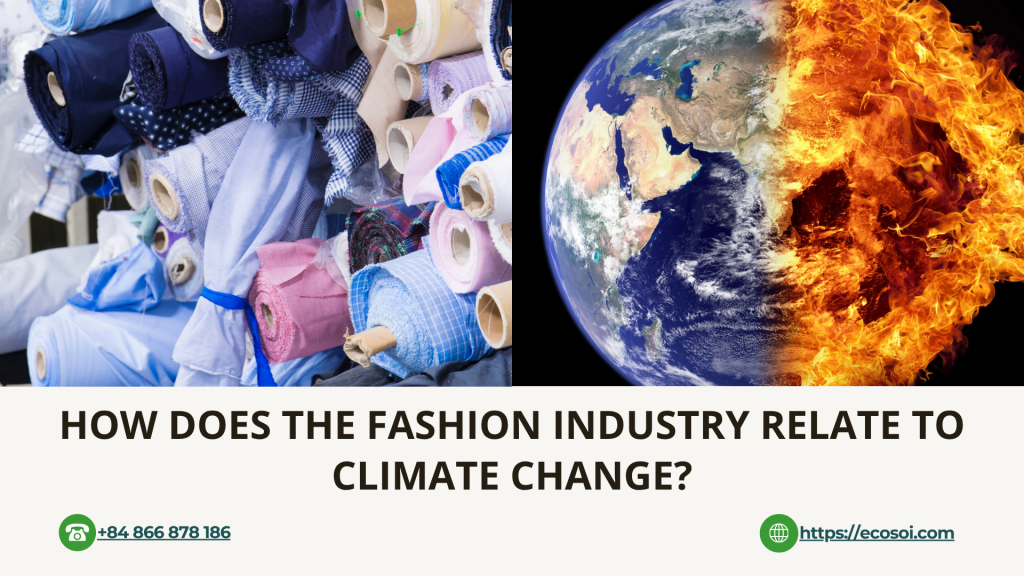
Today, fashion creates about 8% to 10% of total global greenhouse gases. This is more than all international flights and shipping ships combined.
Furthermore, most fast fashion uses synthetic fibers made from fossil fuels. According to Forbes, making polyester takes about 70 million barrels of oil every year. Naturally, this process releases a huge amount of CO2. Without quick action, these emissions will grow by 50% by 2030.
The Fashion Waste Crisis and Microplastics
The “wear once and throw away” habit creates a real fashion waste disaster. Every year, the world makes about 92 million tons of textile waste. Indeed, every single second, a garbage truck full of clothes is burned or buried.
Also, about 87% of old clothes will just rot in landfills. The Ellen MacArthur Foundation notes that less than 1% of clothing material is recycled.
Worse still, washing clothes quietly ruins our oceans. A study from Plymouth University found a scary truth. Just one 6kg load of synthetic clothes releases up to 700,000 microplastics. Today, about 35% of ocean microplastics come from synthetic clothes. Eventually, they enter our food chain and silently harm human health.
The Pressure to Change the Fashion Supply Chain
Global markets, especially in Europe, no longer ignore this problem. Therefore, the European Union (EU) has made strict new rules for the textile sector.
Now, tools like the Digital Product Passport (DPP) and Ecodesign rules (ESPR) are active. This forces export brands to show a fully transparent supply chain.
At the same time, buyers and designers are turning away from fast fashion. Instead, they demand products with clear ESG data. Thus, if companies fail to go green, they will soon lose their market spot.
Ecosoi: A Clear Material Solution to Replace Fast Fashion
The question of how does fast fashion affect the environment now has a clear answer. Yet, the hardest part for businesses is finding a good replacement material. Moving to a circular economy is the only safe path forward.
Because we truly understand the pressure on our partners, Ecosoi offers a great green material solution.
Leading the Use of Farm Waste
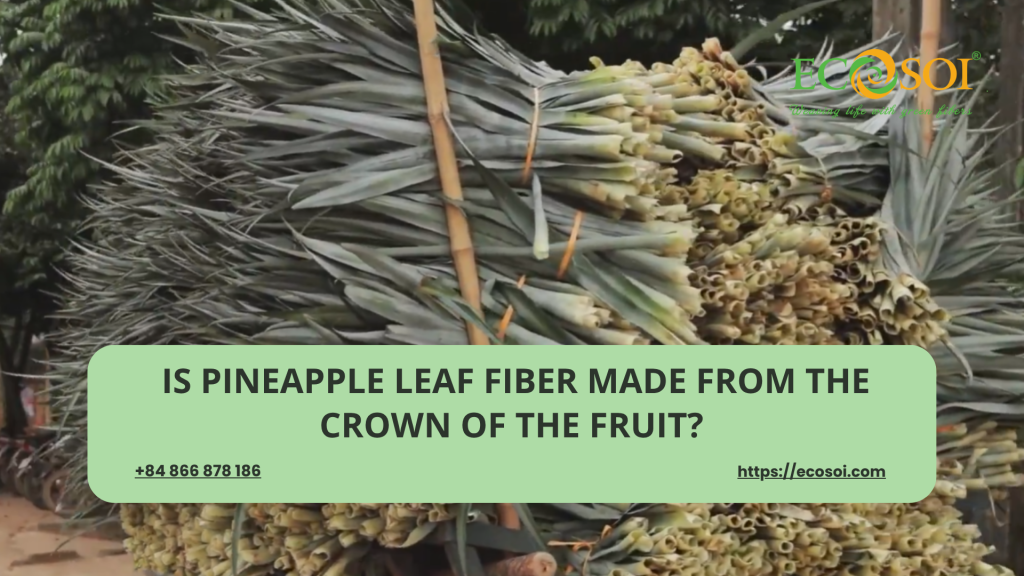
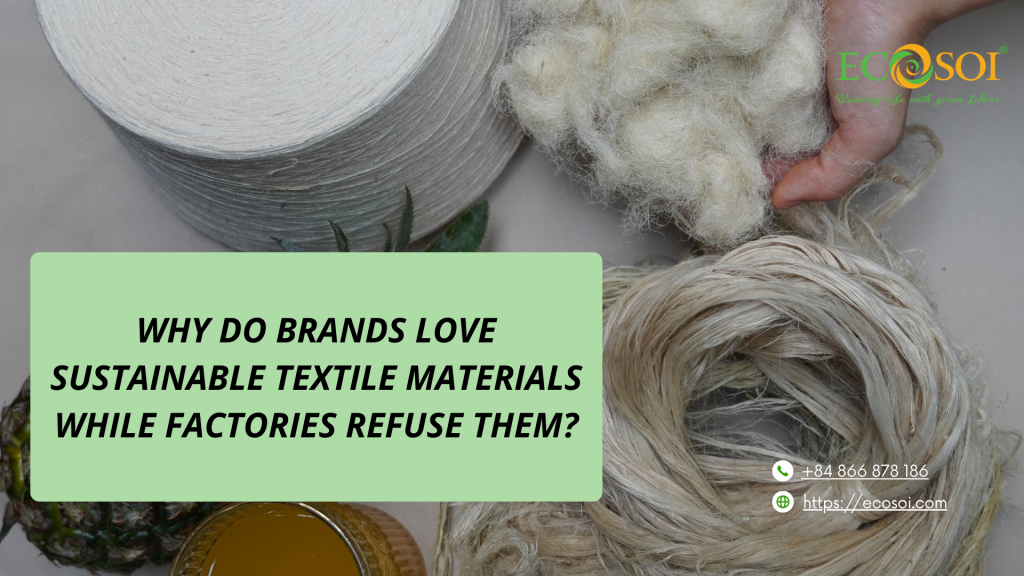
At Ecosoi, we focus on using pineapple leaves. Normally, farmers just burn or throw these away. Collecting these leaves cuts down on farm waste and gives farmers extra income.
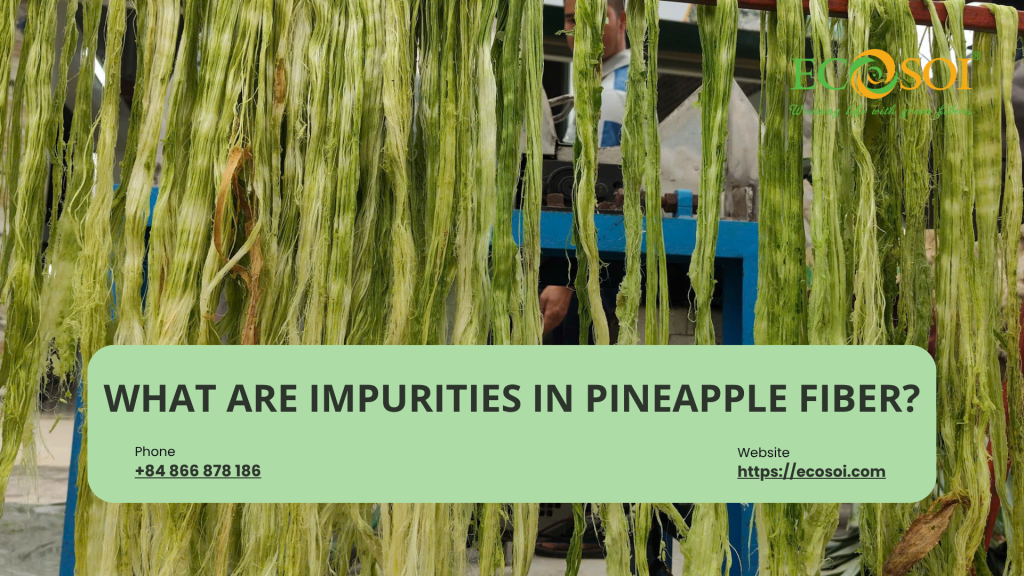
From these leaves, we extract very strong and eco-friendly Ecosoi pineapple fiber. Plus, our supply chain is fully clear to trace right from the farm.
We know that high costs make leaving fast fashion hard. To fix this, Ecosoi has created blended yarns. These mixes improve product quality and help offer more choices at a good price.
Inspiring High-End Designers
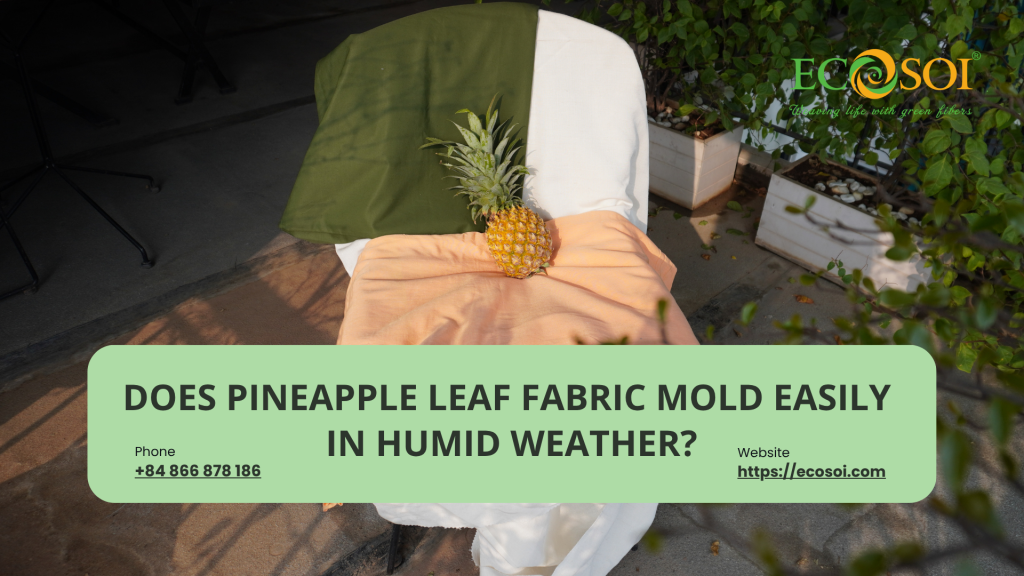
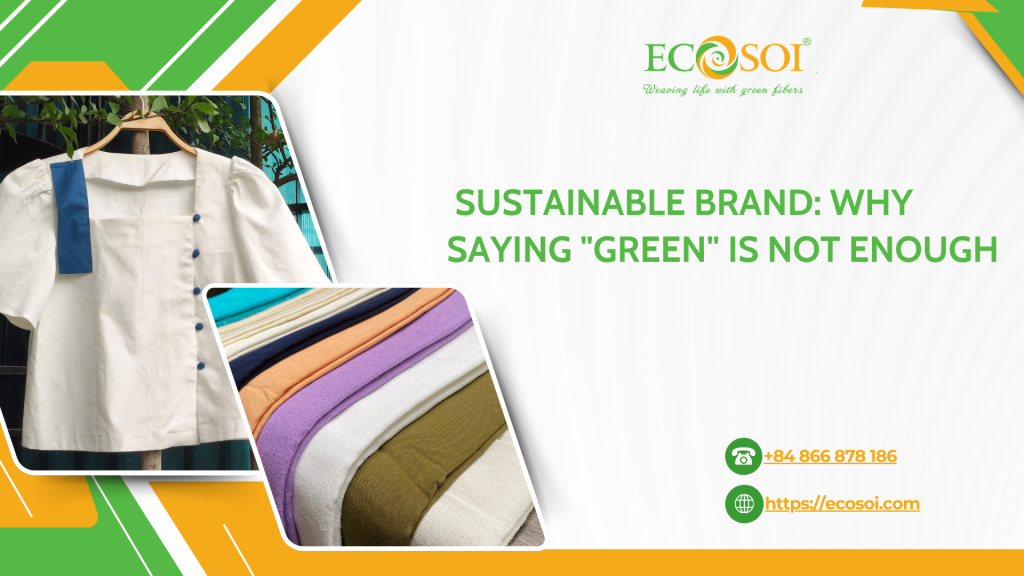
For premium designers and studios, materials must be green and inspiring. Ecosoi’s pineapple fiber fabrics bring a rustic, elegant, and totally unique beauty.
Importantly, our products do not use toxic chemicals during the gum-removal step. Thus, it is safe for the skin and easily breaks down at the end of its life. Indeed, this is a great base material to build timeless sustainable fashion collections.
Conclusion
The truth about how does fast fashion affect the environment is a harsh wake-up call. From drying up water sources to ocean microplastic disasters, we must act now.
It is time for the fashion industry to slow down and create better values. Using clear, green materials is no longer just a trend. Instead, it is a must to protect the earth and keep businesses alive.
Are you looking for sustainable material solutions to boost your brand? Visit the Ecosoi website now to explore our pineapple fibers, yarns, and fabrics. Or, message us directly on the Ecosoi Fanpage for advice and real fabric samples!