 VIETNAMESE
Why pineapple fiber, yarn, and fabric are gaining popularity in fashion and industry?
As the world shifts toward sustainability and eco-consciousness, the fashion and manufacturing industries are actively seeking alternatives to conventional textiles. Pineapple fiber, yarn, and fabric have emerged as promising solutions that meet the growing demand for sustainability, aesthetics, and performance.
Nội dung chính:
What Are Pineapple Fiber, Yarn, and Fabric?
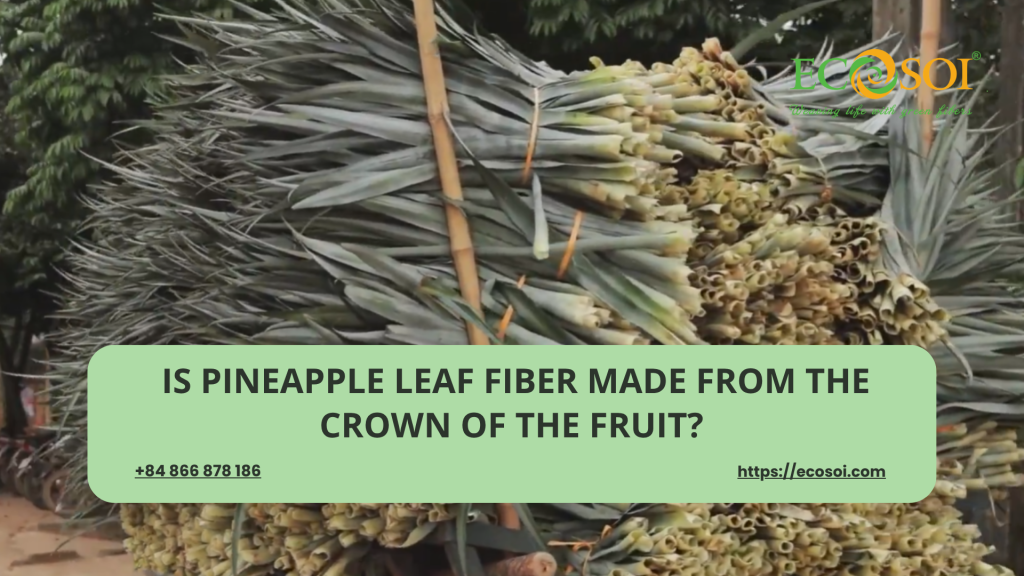
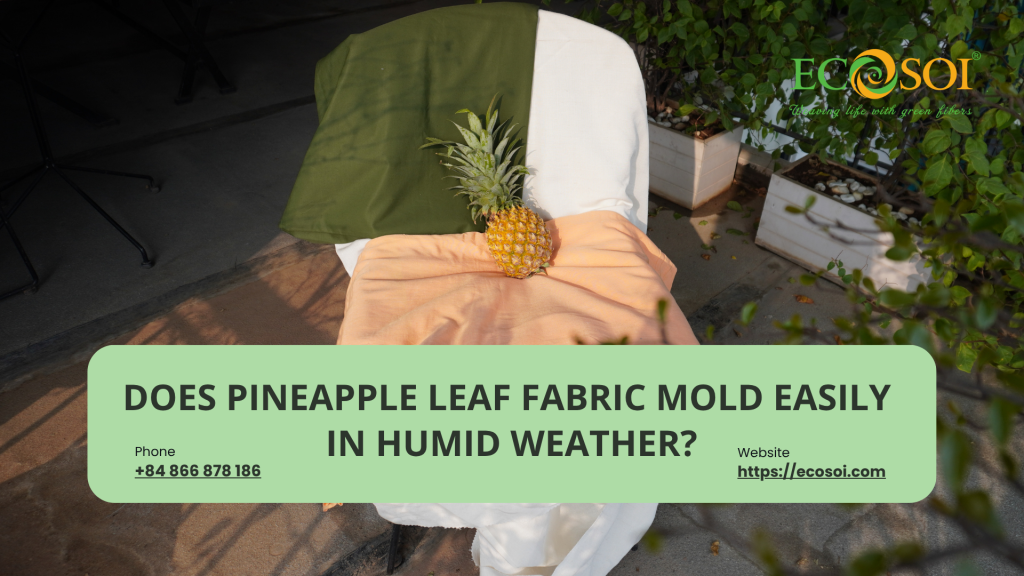
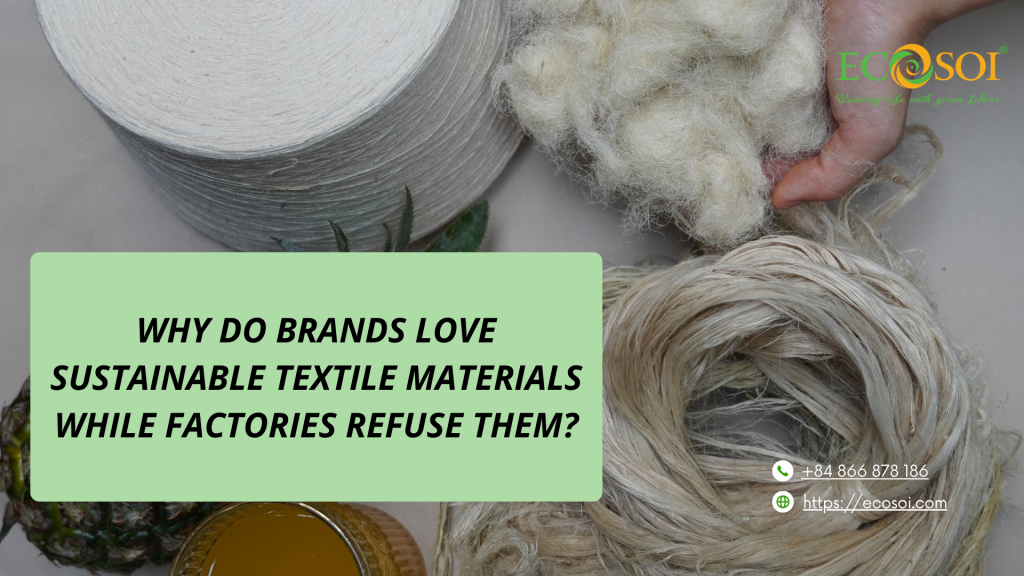
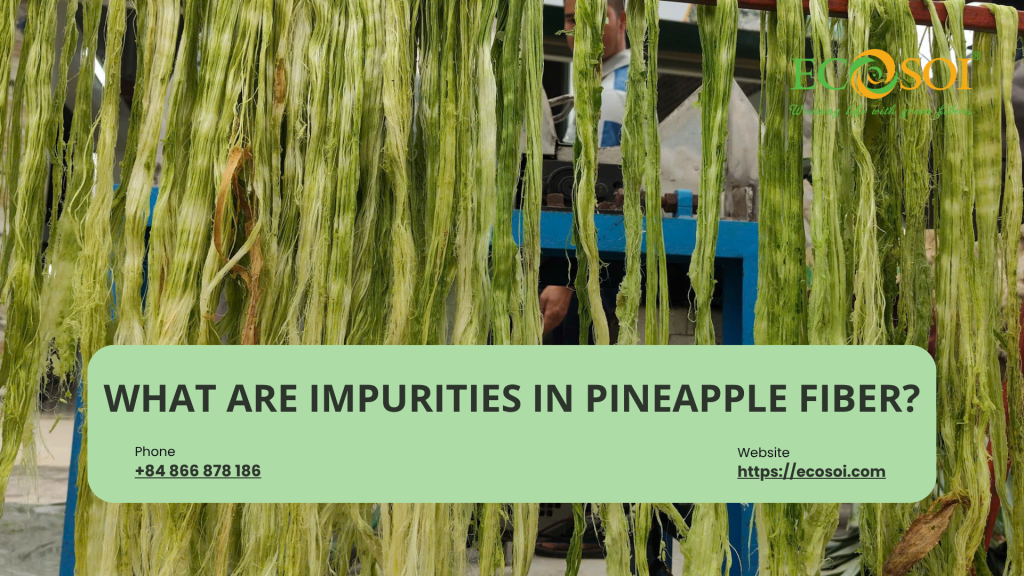
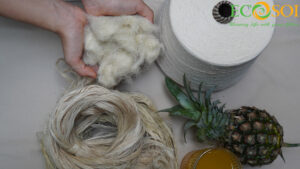
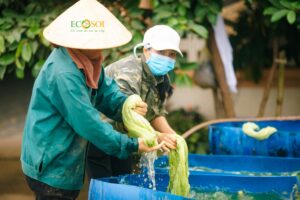
Pineapple fiber is extracted from the leaves of pineapple plants—an agricultural byproduct often discarded after harvest. Once extracted, the fibers are spun into yarn, which is then woven into pineapple fabric. The production process is entirely free of harmful chemicals, repurposing agricultural waste to create eco-friendly textile materials.
Key Benefits of Pineapple Fiber, Yarn, and Fabric
Environmentally Friendly
- Utilizes agricultural waste: By using discarded pineapple leaves, these materials help maximize agricultural resources and minimize waste and methane emissions.
- Green production process: No toxic chemicals are used, significantly reducing water and air pollution compared to traditional fabrics like cotton or polyester.
Outstanding Properties
- High durability: Pineapple fibers offer excellent tensile strength and structural integrity, contributing to long-lasting products.
- Excellent dye absorption: With strong absorbency, pineapple yarns take dyes well, resulting in rich, long-lasting colors.
- Natural antibacterial properties: Pineapple contains inherent antibacterial elements, making the fabric suitable for all skin types—even sensitive ones.

Applications in Fashion and Industry
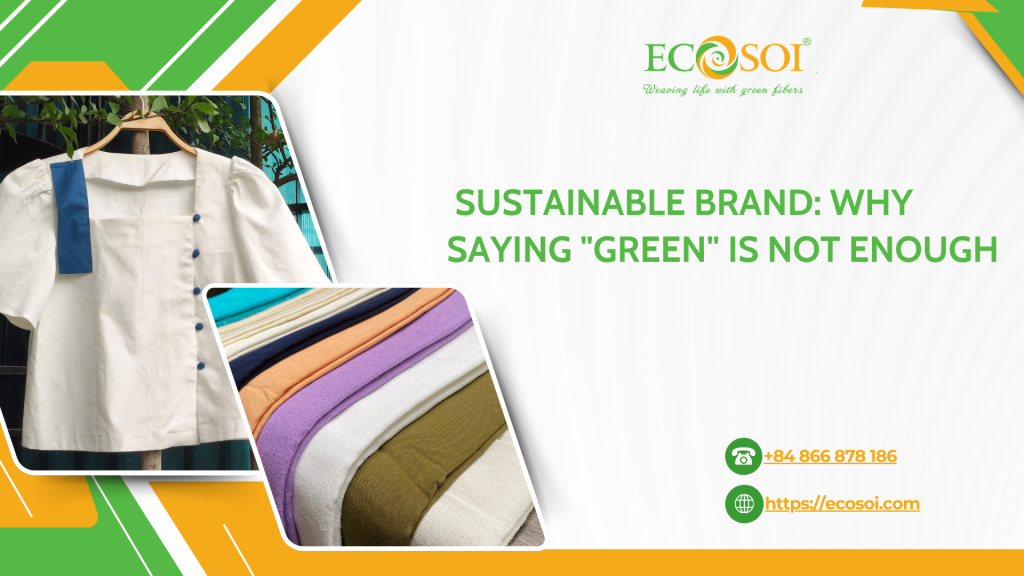
- Fashion: Pineapple fabric is increasingly used in shirts, dresses, trousers, jackets, bags, shoes, wallets, belts, and more. Its smooth texture, elegant finish, and color retention make it ideal for sustainable fashion collections.
- Industrial use: Beyond fashion, pineapple fiber and yarn are used in furniture production, including sofas, curtains, rugs, and upholstery. Their strength and durability ensure high-quality, long-lasting industrial products.



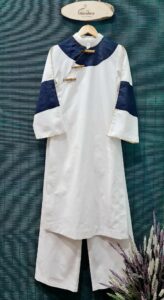
An Inevitable Trend: The Bright Future of Pineapple-Based Textiles
In today’s world, sustainable fashion is no longer a choice—it’s a necessity. Pineapple fiber, yarn, and fabric are emerging as key players in the eco-friendly textile movement. Far more than just another biobased alternative, pineapple fabric is becoming a symbol of responsible fashion, spreading across global markets from Europe and the U.S. to Asia.
Major fashion brands like H&M, Nike, and Uniqlo—as well as innovative startups in material science—have started incorporating pineapple fiber into their product lines, replacing traditional materials like polyester, cotton blends, and even animal leather. This shift creates tremendous opportunities for forward-thinking producers, especially in pineapple-rich regions such as Vietnam, Thailand, and the Philippines.
At the same time, advancements in natural fiber processing technology are expanding the versatility of pineapple fabric. It can now be blended with organic cotton, tencel, bamboo, and other fibers—unlocking new possibilities in high-end fashion, home goods, and technical materials.
In the near future, pineapple fiber won’t just be a trend—it will be a core component in the global green supply chain.
🌎 “By choosing pineapple fabric today, you’re helping build a greener tomorrow.”
Conclusion
Pineapple fiber, yarn, and fabric are making their mark in fashion and industry thanks to their sustainability, environmental friendliness, and versatile applications. These materials are not just alternatives—they represent a lifestyle of conscious, eco-forward living.
Shifting to pineapple-based fabrics is a meaningful step toward a sustainable fashion future and cleaner industrial practices.