 VIETNAMESE
FAST FASHION – A FASHION TREND AMONG TODAY’S YOUTH
Fast fashion has become a significant trend among Gen Z fashion enthusiasts. So, what exactly is fast fashion, and why is it so appealing? Let’s explore this topic with Ecosoi in the following article.
Nội dung chính:
What is Fast Fashion?
Fast fashion refers to the rapid production of the latest fashion designs, keeping up with trends at an affordable price. It allows consumers to access fresh, modern fashion items without spending too much.

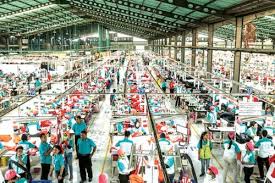
The term “fast fashion” originated from large brands like Zara, H&M, and Forever 21, which release new designs in weeks instead of waiting for an entire season. These products are typically mass-produced using inexpensive materials, which often sacrifice long-term durability.
The Current State: Global, Vietnam, and Key Statistics
Global Perspective
Fast fashion has grown tremendously worldwide, contributing significantly to the global economy. However, it accounts for 10% of global carbon emissions and is the second-largest water-consuming industry, after agriculture.
Major fast fashion brands such as Zara, H&M, Forever 21, and Uniqlo have expanded their reach globally. These companies release new collections every few weeks, catering to consumers, especially young people, who seek trendy, affordable options.
- Zara produces approximately 450 million items annually and launches over 20 new collections.
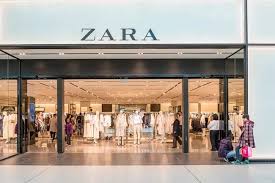
- H&M introduces 12–16 collections per year, selling around 3 billion products annually.
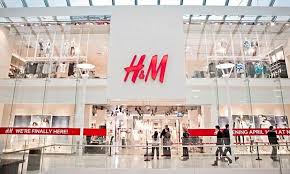
In Vietnam
Fast fashion has also become a trend in Vietnam, with international brands quickly capturing the market. Vietnamese consumers, especially the youth, favor fast fashion for its variety and affordability.
- Over 60% of young consumers in major cities like Hanoi and Ho Chi Minh City prefer shopping at fast fashion brands.
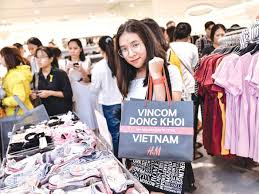
- The presence of brands like Shein, Zara, H&M, and Uniqlo has sparked a new shopping craze in recent years.

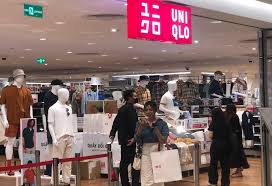
Key Statistics
Fast fashion has created millions of jobs worldwide, especially in developing countries like Vietnam. While it significantly contributes to the GDP of many nations, it also brings environmental concerns.
- The fashion industry accounts for about 10% of global carbon emissions and consumes significant water resources. Producing one cotton T-shirt requires approximately 2,700 liters of water — enough for one person to drink for 2.5 years.
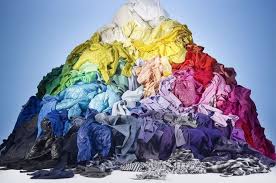
- Annually, around 92 million tons of fashion waste are discarded globally, much of it from fast fashion. In the U.S. alone, consumers dispose of about 12.8 million tons of clothing yearly.

Consumer Fashion Trends Across Generations
Gen X
Born between 1965 and 1980, Gen X grew up during rapid technological and economic changes. Their fashion preferences blend tradition and modernity, often prioritizing durable and sustainable clothing. However, some have embraced fast fashion due to its convenience and affordability.
Gen Y (Millennials)
Born between 1981 and 1996, Millennials grew up during the rise of the internet and social media. They adapt quickly to changes and often seek novelty.
- Millennials are drawn to fast fashion collections for their variety and style.
- Increasing awareness of environmental sustainability is gradually influencing their shopping habits.
Gen Z’s Consumer Fashion Trends
Born between 1997 and 2012, Gen Z is the youngest generation, fully immersed in the digital age. They are becoming the most prominent customer base for the fashion industry, driven by their tech-savviness and social media engagement.
Speed and Convenience
Gen Z values products that are easy to purchase and receive. Fast fashion’s rapid updates and quick delivery match their needs perfectly.
Personalized Fashion
Like Millennials, Gen Z prioritizes self-expression through fashion. They seek unique items to create their own styles. Brands like Zara, H&M, and ASOS frequently launch diverse collections that cater to this demand.
Social Media Influence
Platforms like Instagram, TikTok, and YouTube shape Gen Z’s fashion preferences. They follow influencers and fashion bloggers for inspiration, while fast fashion brands leverage strong social media presence to attract this demographic.
Environmental Awareness
Despite their love for fast fashion’s convenience, Gen Z is highly aware of its environmental impact. Many seek sustainable alternatives or support fast fashion brands that implement eco-friendly and socially responsible policies.
Online Shopping
Gen Z prefers online shopping for its convenience. They appreciate user-friendly platforms where they can compare prices, read reviews, and explore styling suggestions.
Creativity and DIY
Gen Z enjoys customizing clothing to express their individuality. They often purchase basic fast fashion items and personalize them, saving costs while showcasing creativity.
Conclusion
Fast fashion is not just a trend but an integral part of many people’s lives, especially the youth. However, to move toward a more sustainable future, consumers must make thoughtful choices. Meanwhile, brands must strive for sustainable and environmentally responsible production practices.