 VIETNAMESE
Pineapple Fiber Price: Why It Is Not the Cheapest Option
Today, sustainable materials are growing very popular. People often mention pineapple fiber as a great green choice. It can replace normal textile yarns safely. However, at Ecosoi, we always tell our partners one clear truth. If your only goal is a low pineapple fiber price, this is not the right choice for you.
This article does not force you to buy it. Instead, it helps you understand the true cost. We will show its real value and limits. We share this from the view of a real textile supply chain maker.
Nội dung chính:
Pineapple Fiber is Not Made to Compete on Price
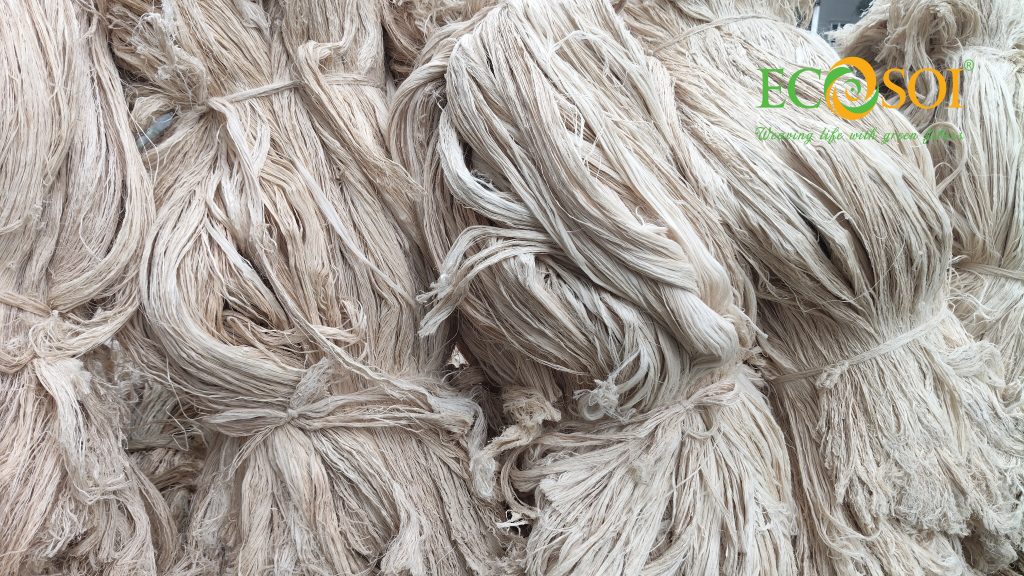
Basically, this fiber comes from farm waste. Specifically, it uses leftover pineapple leaves. Because of this, many people assume the pineapple fiber price must be super low. They think it simply uses “free trash.”
In reality, a bio-origin does not mean a cheap price. Turning a raw leaf into industrial yarn requires strict steps:
-
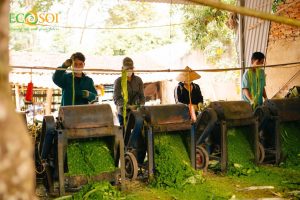
First, workers collect and sort leaves carefully.
-
Second, machines extract the raw fiber.
-
Third, bio-cleaning removes lignin and stabilizes quality.
-
Finally, strict checks ensure high uniformity before spinning.
Every single step costs real money. This is especially true when making yarn for a strict commercial supply chain.
3 Reasons Why the Pineapple Fiber Price Cannot Be Super Low
Inconsistent Raw Materials
Unlike flat cotton fields, pineapple leaves depend heavily on seasons. Leaf quality changes based on plant breed, age, and soil. Not all leaves work well for fiber extraction. Therefore, setting up standard farms and sorting leaves costs a lot of money.
Small Production Scale (Economies of Scale)
Currently, most farm waste fibers run on a small scale. This sector lacks the huge scale benefits of old industrial materials. Many steps still need handwork or special machines. Consequently, the final price cannot hit rock bottom yet.
It is Not a “Plug-and-Play” Material
As noted before, factories rarely use pure pineapple yarn. Instead, they must spend money on R&D to find the best blend. They usually mix it with cotton or viscose. Also, they must adjust their weaving and dyeing machines. Truly, these technical tests take a lot of time and budget.
Explore: Why Do 100% Green Fashion Materials Not Exist?
What Do You Lose With Cheap Sustainable Materials?
In the textile industry, crazy low prices are rarely an accident. Usually, they hide dark secrets. Suppliers might ignore origin tracking or skip dirty water treatment. Sometimes, they even ignore basic worker rights.
Specifically for pineapple yarn, pushing prices too low creates huge risks. Buyers will quickly face terrible results:
-
First, raw fiber quality becomes totally uneven and dirty.
-
Second, the yarn’s physical strength drops heavily.
-
Finally, massive errors happen during weaving and dyeing.
Cutting costs at the start will punish you at the end. It creates factory waste and ruins your brand trust.
Who Should and Should Not Choose Pineapple Fiber?
You should choose this fiber if your business:
-
Wants long-term ESG growth, not just fast cash.
-
Needs a green story backed by clear, honest data.
-
Has an open mind to test new blends and tech.
You should NOT choose it if you:
-
Fight in the fast fashion market purely on price.
-
Need a cheap, direct replacement for polyester.
-
Have zero budget or time for new material R&D.
Ecosoi’s View: Clear Data Beats a Cheap Price
At Ecosoi, we run standard factories in big farm zones like Thanh Hoa and Nghe An. Therefore, we clearly know every cost needed to make one quality kilo.
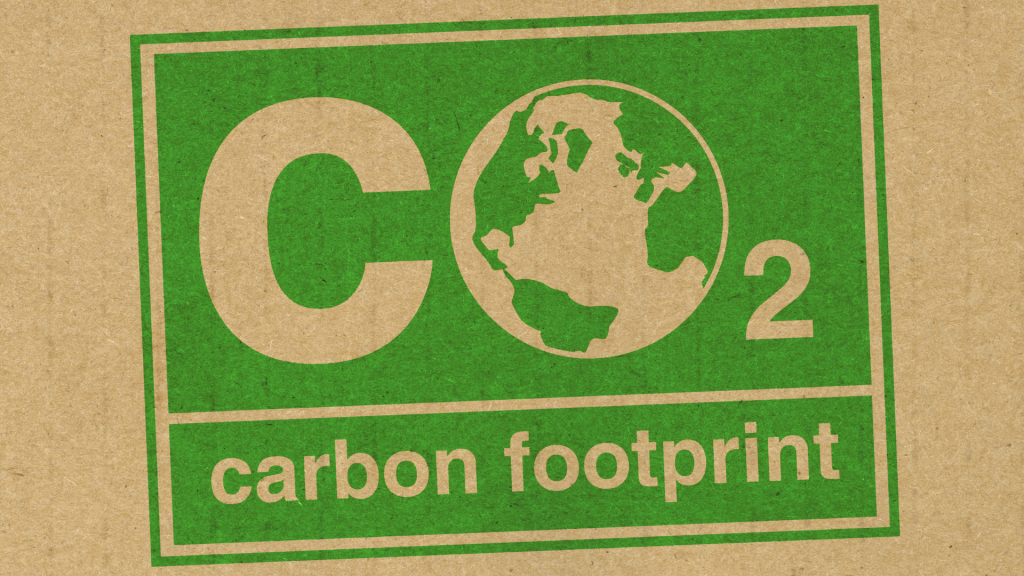
We never label our yarn as the cheapest choice. Also, we do not use a low pineapple fiber price as a trap. To serve big B2B partners, green materials must reflect true costs. We choose to invest in clear CO2 emission reports. We build honest value instead of squeezing material prices. Ultimately, we know that buying cheap yarn never covers the cost of ruined fabric batches.
Conclusion
To sum up, this fiber is not a magic fix for every business. However, it is great for brands wanting real, science-based differences. If you want an honest material story and long-term sustainability, this is a great strategic base.
Does your business want a natural fiber solution backed by real data and a clear supply chain? Contact Ecosoi or visit our Fanpage today!
Frequently Asked Questions (FAQ)
Will the pineapple fiber price drop in the future?
Yes, it might. When extraction tech becomes fully automatic, factories will produce huge volumes. Consequently, the production cost per unit will optimize greatly.
Are R&D costs high for using this fiber?
R&D costs depend entirely on your goals. Weaving rough craft fabrics costs very little. However, making mass-produced daily clothes requires strict testing. You must adjust spinning and dyeing steps to ensure high quality.
Why should textile companies invest despite the higher price?
Paying more early on lowers future legal and trade risks. Having clear green materials with CO2 data helps B2B companies greatly. It helps them pass strict carbon taxes and export rules easily.