 VIETNAMESE
Why Do 100% Green Fashion Materials Not Exist?
In recent years, green fashion materials have appeared everywhere in the textile industry. However, expecting a material with zero environmental impact is simply impossible.
According to global science and eco-groups, every material leaves an ecological footprint. This happens somewhere along the supply chain. Therefore, the core issue is not whether a material is “100% green.” Instead, it is about the impact level and how well makers control it.
Nội dung chính:
Every Material Has a Life Cycle and Eco-Footprint (LCA)
All textile materials go through a full life cycle. First, this includes extracting raw inputs, spinning, weaving, and dyeing. Finally, it involves transport, usage, and disposal.
According to the Life Cycle Assessment (LCA) method by ISO and UNEP, zero-impact materials do not exist. Even natural materials like cotton, linen, or pineapple fiber must use water and energy. Also, they must undergo mechanical or chemical steps. Thus, the idea of absolutely green fashion materials ignores scientific facts.
“Natural” Does Not Mean “Zero Impact”
Today, a very common myth exists in the market. Many people think natural materials are always eco-friendly. In reality, environmental impact does not just come from the origin. It also comes from farming, processing, and supply chain management.
-
Natural cotton consumes huge amounts of water. It can ruin the soil if farmed poorly.
-
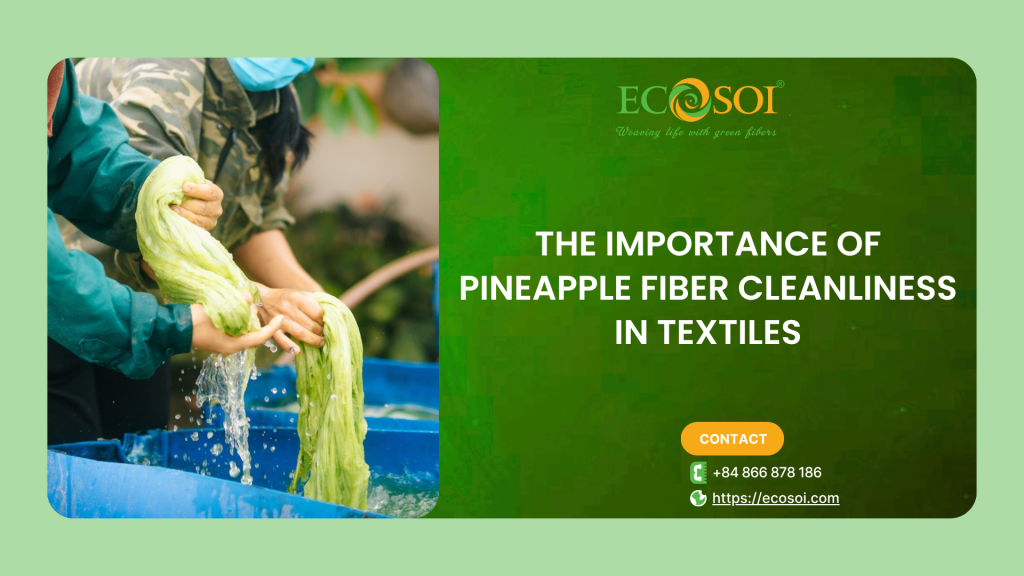
Plant fibers from farm waste must undergo cleaning and bio-degumming. These steps make them fit for textiles.
-
Dyeing and finishing steps create most greenhouse gases and wastewater.
According to the OECD, processing and finishing usually cause the highest environmental impact in the textile supply chain.
The Issue is Not About Banning All Chemicals
Another extreme view exists today. Some people think true green fashion materials use absolutely zero chemicals.
In fact, almost all industrial textiles need some chemical or biological treatment. This helps them achieve good strength and beauty. This is true even for viscose, lyocell, or organic cotton.
According to the ZDHC, the core issue is transparency. What chemicals or enzymes do businesses use? Are the amounts safely within limits? Do factories fully clean dirty water and waste before dumping them?
Environmental Impact is a Complete Picture
A material might cut CO2 emissions very well. Yet, it might waste too much fresh water. Alternatively, a recycled material might release hard-to-clean microplastics during recycling.
Therefore, judging sustainability cannot rely on just one single rule. Global groups recommend a multi-sided approach:
-
First, assess the total environmental impact.
-
Second, evaluate the bio-renewability and reuse potential.
-
Third, check the transparency of traceability data.
Ultimately, this broad view helps the fashion industry avoid shifting bad impacts from one step to another.
When Do “Green Materials” Become Greenwashing?
The “green” label loses its value quickly. This happens when a brand only highlights the plant origin. Meanwhile, they purposely hide the dirty processing steps. Also, they fail to measure real impacts and hide supply chain data.
According to the European Commission, greenwashing in fashion happens when marketing lacks hard numbers. Therefore, we should only call a material sustainable if it has independent proof. It must have a system to reduce impacts and avoid creating new eco-burdens.
How Should B2B Businesses and Consumers Approach This?
We should stop chasing absolutely green fashion materials blindly. Instead, we must ask practical questions:
-
Which production step does this material improve?
-
How does the factory control the remaining impacts?
-
Does the supply chain share transparent data openly?
For B2B textile partners, asking these questions reduces legal risks. It perfectly meets ESG rules and builds export trust. For B2C shoppers, this is a smart and highly responsible buying mindset.
Ecosoi’s View: Transparent Data Instead of Empty Promises
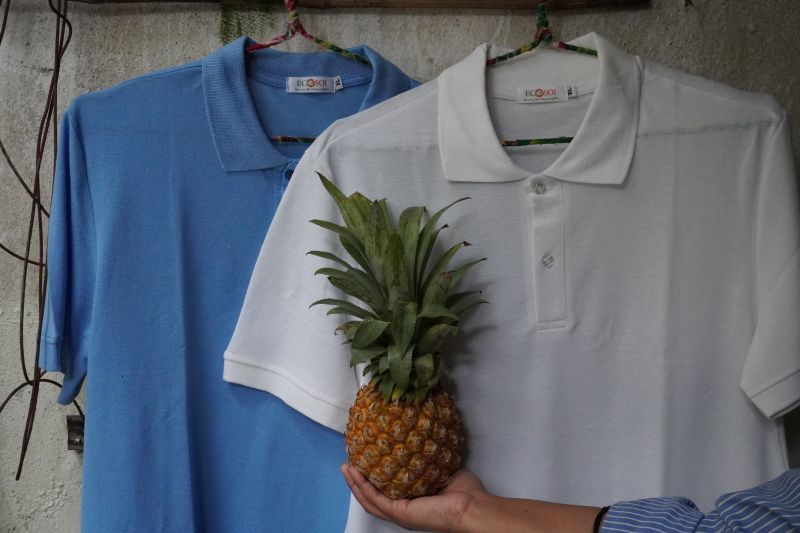
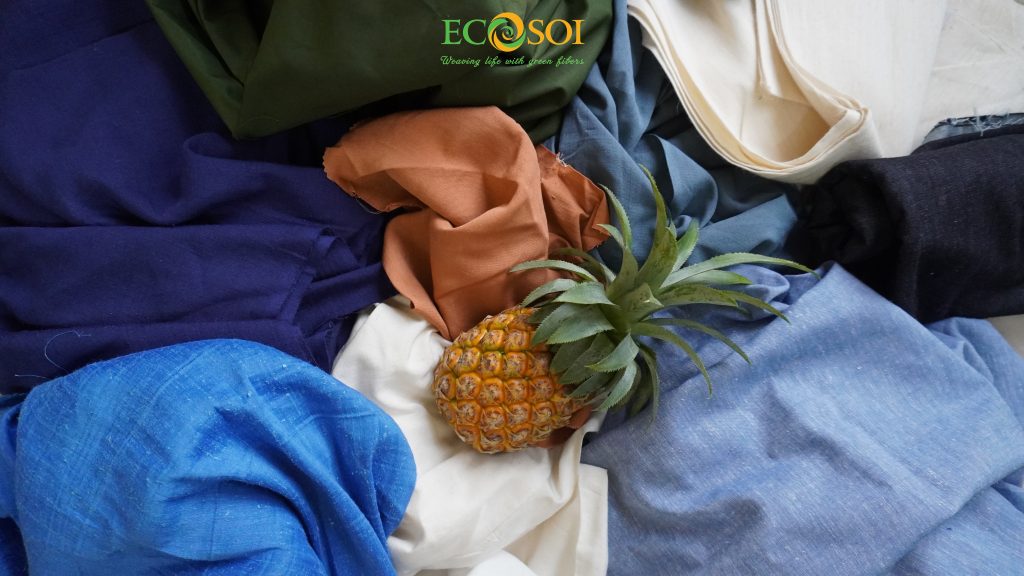
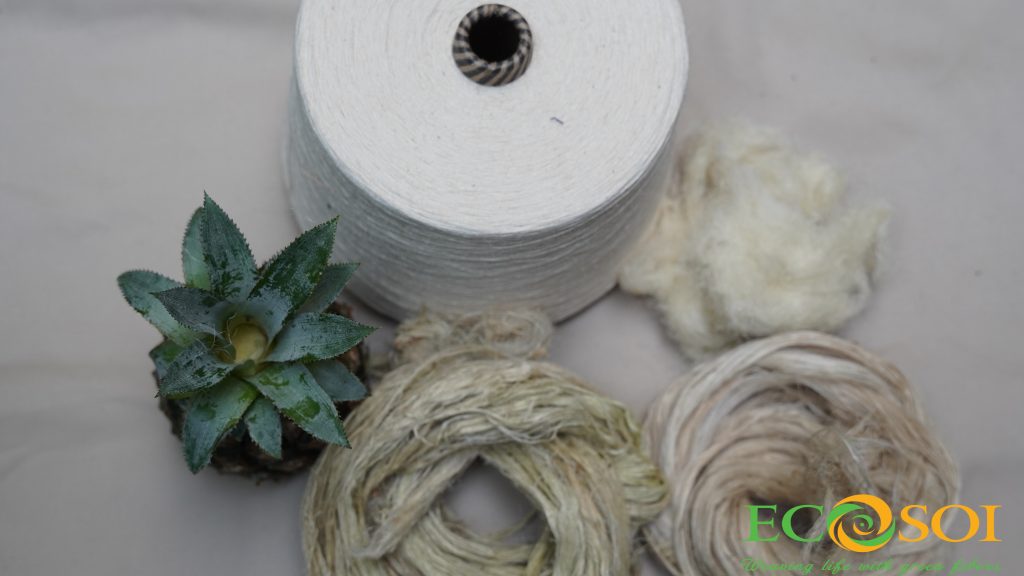
At Ecosoi, we extract fiber from pineapple leaves. This is a massive agricultural waste in Vietnam. During this work, we never chase the fake “100% green” label. Instead, we aim to reduce impacts carefully. We base everything on strict technical facts and clear data.
A textile material only holds true sustainable value if it is honest. It must not hide environmental costs. Also, it must not push eco-risks to the final processing step. We proudly complete technical reports measuring CO2 emissions for our steps. This proves that Ecosoi speaks with real numbers. Ultimately, we serve our B2B partners with total transparency, avoiding fake marketing stories.
Conclusion
To sum up, absolutely green fashion materials simply do not exist. However, better-managed, more transparent, and highly responsible materials certainly do.
Sustainability is not a flawless final destination. Instead, it is a process of constant improvement. It strictly relies on science and honest data.
👉 Follow Ecosoi for more honest, expert views on bio-materials and future textile supply chains.
Frequently Asked Questions (FAQ) About Green Fashion Materials
What is the LCA standard in textiles?
LCA means Life Cycle Assessment. Basically, it calculates the total environmental impact. This includes water use, energy, carbon footprint, and chemicals. It tracks everything from raw material extraction to factory processing, and finally to disposal or recycling.
Why is traceability important for sustainable materials?
Traceability proves that workers collected and made the material ethically. It ensures no labor abuse and no forest destruction. Also, it provides clear eco-data so brands can complete their ESG reports confidently.
Do farm waste materials like pineapple fiber have an eco-impact?
Yes, they do. Using farm waste stops the pollution from open burning. However, fiber extraction, degumming, and spinning still need energy and water. The key difference is this: Trusted factories use smart bio-tech, save energy, and recycle water to keep this impact extremely low.