 VIETNAMESE
Unrealistic Expectations You Should Not Have About Pineapple Fiber in Textiles
Today, pineapple fiber is receiving huge attention in the sustainable fashion trend. Its plant origin makes it an ideal “green” choice.
However, praising a material too much can lead to false hopes. Consequently, this causes deep disappointment during production and huge PR risks. Therefore, this article will analyze the unrealistic expectations you should not place on pineapple fiber. Ultimately, it helps you approach this material in the most scientific way.
Nội dung chính:
What is the True Nature of Pineapple Fiber?
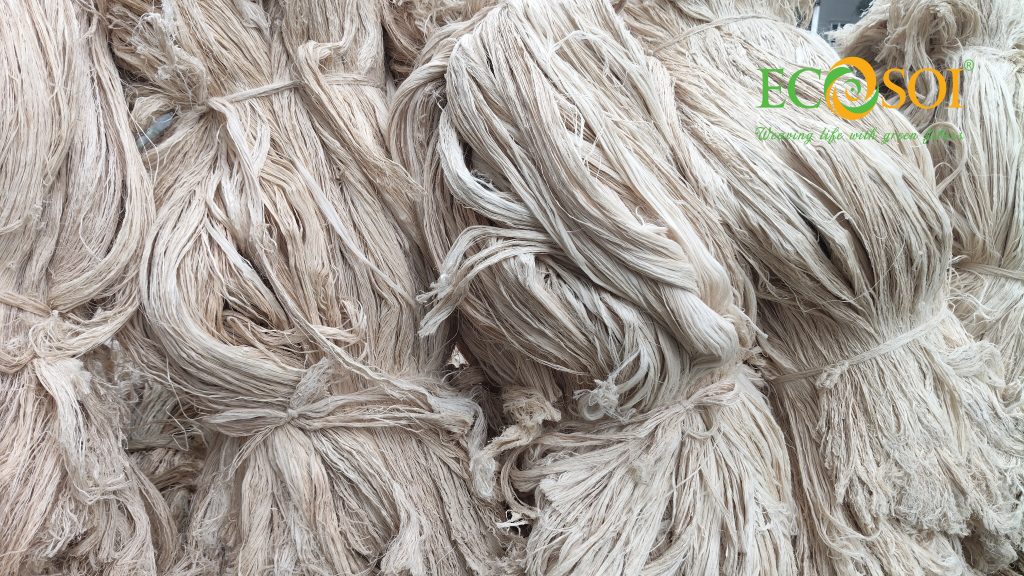
First, workers extract pineapple fiber from harvested leaves. Basically, this is an agricultural byproduct. According to the UN Environment Programme (UNEP), using farm waste is a core solution to reduce resource pressure.
Although it brings massive eco-value, pineapple leaf fiber is not a “magic” material. To maximize its true value, we must clearly recognize its natural limits.
6 Common False Expectations About Pineapple Fiber
Below are the myths that buyers, designers, and brands must completely avoid.
Pineapple Fiber Can Totally Replace Cotton or Polyester
Actually, cotton has a soft and stable structure. Meanwhile, polyester offers extreme strength and uniformity. In contrast, pineapple fiber has a rougher structure and high natural variation.
Therefore, it is best suited for blending rather than total replacement. It is a perfect complementary piece in the material ecosystem, not a tool to erase other materials.
Pineapple Fiber is Always Soft from the Start
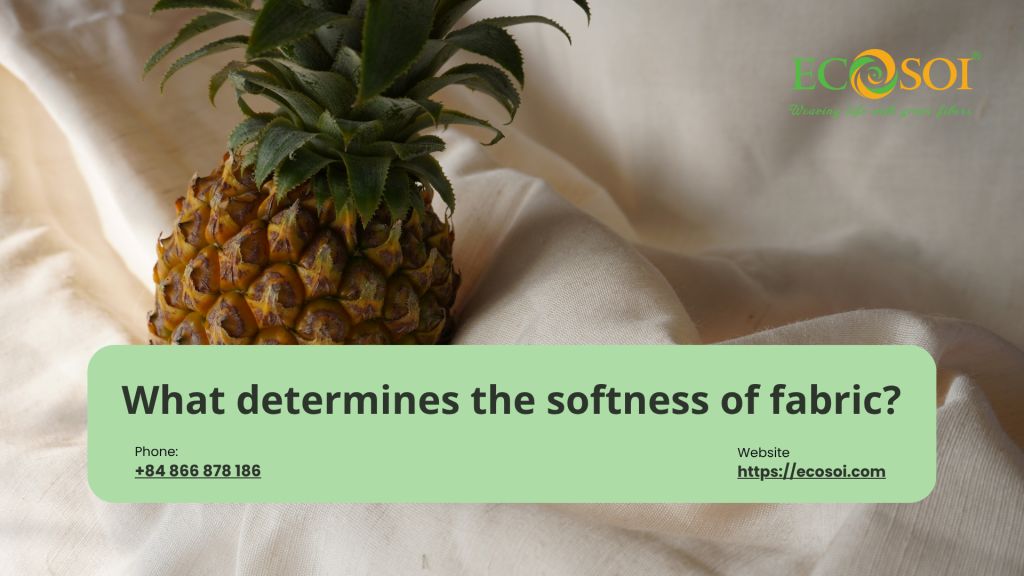
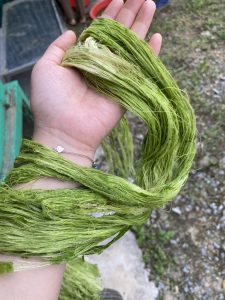
Many people assume natural fibers must be as soft as premium cotton. However, raw materials from pineapple leaves have a quite high natural stiffness.
According to ISO recommendations, fabric surface feel heavily depends on processing technology. Thus, the softness of pineapple yarn is the direct result of finishing and blending steps.
Pineapple Fiber Quality is Completely Uniform
Coming straight from agriculture, pineapple plants face changes in seeds, soil, and harvest times. Because of this, fiber length and trash content cannot be 100% equal.
Expecting it to be as absolutely uniform as synthetic yarn is impossible. The right solution is to strictly standardize and sort the raw fiber before spinning it.
Pineapple Fiber is “Absolutely Green” in All Cases
A plant origin does not guarantee the final product is eco-friendly. Also, the ecological impact depends greatly on energy use and dye chemicals.
According to the OECD, sustainability must be judged across the whole product life cycle. If factories ignore safe processing rules, pineapple fiber can still cause pollution.
Pineapple Fiber Fits All Clothing Types
First, pineapple fiber in textiles does not fit items needing high stretch or ultra-thin, tight fits. Conversely, these sustainable materials show their maximum strength in woven fabrics, structured clothes, or fashion accessories.
Using Pineapple Fiber Cuts Costs Immediately
Currently, the production scale of pineapple fiber is modest, and processing costs remain high. Therefore, this is not a quick fix to lower prices in the short term.
However, in the long run, investing in pineapple fiber helps brands boost their brand value. Also, it helps businesses meet ESG standards and reduce supply chain breakdown risks.
Ecosoi’s Solution: Optimizing Pineapple Fiber’s Potential
These limits do not reduce the amazing value of pineapple fiber. Instead, understanding its limits helps us apply it much smarter.
At Ecosoi, we approach materials with scientific data and total transparency. Instead of supplying stiff, raw pineapple fiber, Ecosoi focuses heavily on blended yarn and fabric solutions.
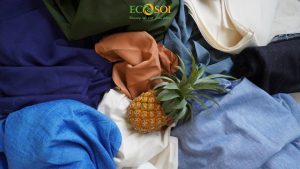
By mixing pineapple fiber with cotton, hemp, or linen in exact technical ratios, we completely fix the weaknesses of natural fibers. This solution brings a soft fabric surface and high uniformity for production lines. Furthermore, it optimizes costs for our partners. Ultimately, Ecosoi turns pineapple fiber from a potential idea into a real industrial textile solution.
Conclusion
In conclusion, dropping false expectations helps businesses make much better decisions. Pineapple fiber is not perfect, but it is a vital part of the future material ecosystem.
Does your business need a standardized natural fiber solution that is easy to apply? Visit the Ecosoi Website now or contact us to get advice and receive real pineapple fabric samples!
Understanding materials is the first step to responsible consumption. Please follow the Ecosoi Fanpage to uncover more interesting facts about sustainable fashion with us!