 VIETNAMESE
Ecosoi: Breathing new life into pineapple leaves
In an era where “sustainability” is not just a trend but a global standard, Ecosoi has taken an innovative path: transforming pineapple leaves—an agricultural by-product often discarded—into biological fibers used in fashion, interior design, packaging, and various industrial applications. From a forgotten material, Ecosoi has carved a distinctive journey, reshaping Vietnam’s textile raw material industry and opening new doors to the international market.
Nội dung chính:
Who is Ecosoi?
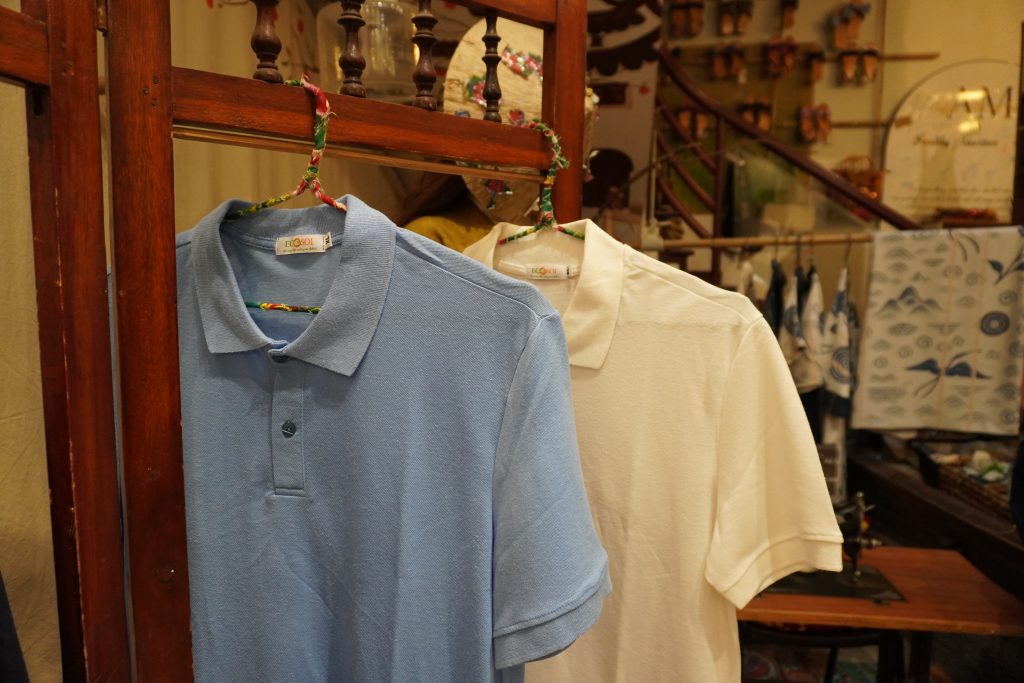
Ecosoi is a pioneering Vietnamese startup specializing in the research, production, and development of pineapple fiber extracted from agricultural waste. With cutting-edge bio-weaving technology and a deep commitment to sustainability, Ecosoi aims to become a leading supplier of pineapple fibers and fabrics in Vietnam and across Asia. Our products meet international standards and support the global movement towards greener textile supply chains.
Looking ahead, Ecosoi plans to expand into banana fiber and other natural materials—diversifying its portfolio while staying true to its eco-conscious mission.
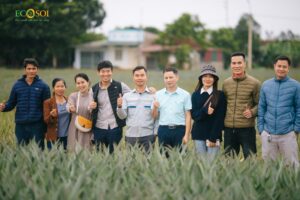
Ecosoi on Shark Tank Vietnam – Season 5: [WATCH HERE]
Pineapple leaves: from agricultural waste to eco-friendly raw material
Vietnam produces millions of tons of pineapple leaves each year—most of which are burned or left to decompose, leading to environmental waste and greenhouse gas emissions. In many cases, chemical burning is used, further harming the air and soil. Ecosoi recognized the untapped value in this agricultural residue and offered a new, sustainable direction.
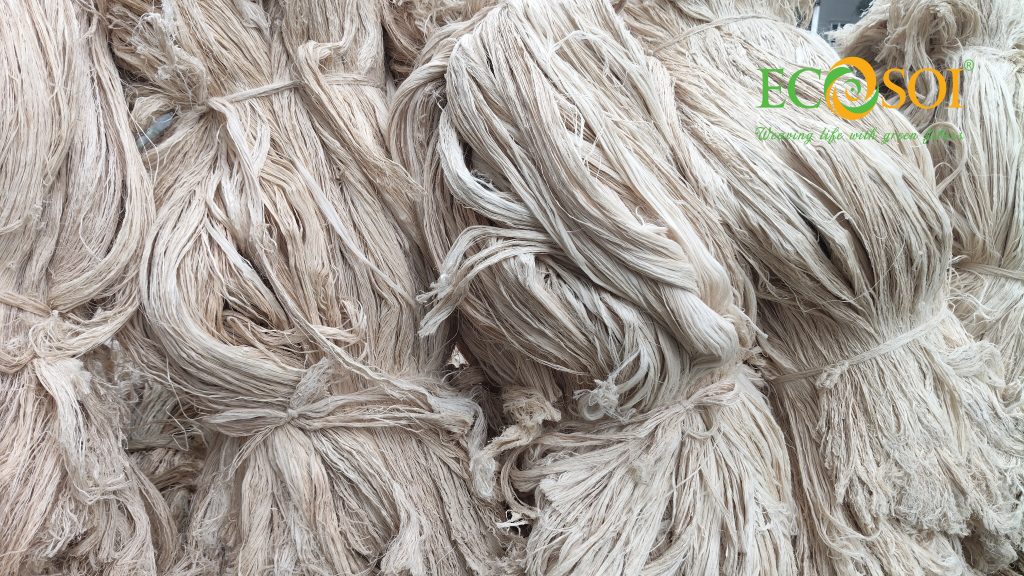
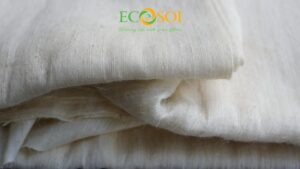
Pineapple fibers are mechanically extracted without harmful chemicals, then processed into yarn and woven into biodegradable, durable, and eco-friendly pineapple fabric. On average, it takes 55kg of fresh pineapple leaves to produce 1kg of raw fiber—a process that minimizes environmental impact and offers natural decomposition benefits.
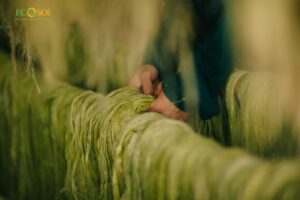
Pineapple fiber: economic value from an overlooked resource
Creating new income streams for farmers
Ecosoi transfers its technology to cooperatives and local businesses with access to raw materials and community labor. By partnering with local farmers and craft villages, Ecosoi helps create stable jobs and sustainable income sources for rural communities.
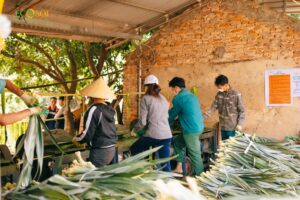
Reducing material costs and maximizing agricultural waste
Since pineapple leaves are an unused by-product post-harvest, reusing them helps manufacturers cut raw material costs while also increasing income for farmers.
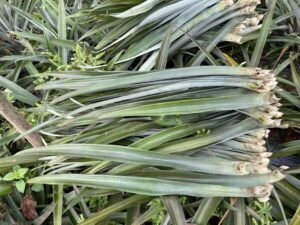
Lower production costs and environmental impact
Compared to cotton or synthetic fibers, pineapple fiber requires less water, less energy, and no toxic chemicals during production. This not only reduces operating costs but also helps businesses comply with stringent environmental standards—especially in export markets.
Enhanced product value with natural benefits
Pineapple fiber offers high tensile strength, natural antibacterial properties, and strong moisture-wicking ability. These features result in durable, safe, and eco-aligned products, enhancing both brand value and consumer trust in sustainable offerings.
Conclusion
Ecosoi has proven that agricultural by-products like pineapple leaves can create economic value, protect the environment, and promote sustainable development. The journey of breathing life into pineapple leaves showcases Vietnam’s innovation in green textiles.
We believe that even a discarded leaf can contribute to long-term economic, social, and environmental value, helping shape a greener future for generations to come.