 VIETNAMESE
WHAT ARE THE KEY CRITERIA TO EVALUATE GREEN MATERIALS?
Consumers today want a green lifestyle. However, finding real eco-materials in a crowded market is hard. Many people only look at “eco-friendly” tags on products. As a result, they can easily fall into the trap of greenwashing.
This short guide shares 5 clear criteria to evaluate green materials with ease. In addition, it shows how natural pineapple fiber from Ecosoi provides a real answer for green fashion.
Nội dung chính:
What are green materials and why do we need standards?
Green materials come from plants, farms, or recycled goods. Besides, their life cycle causes little harm to nature and human health.
Therefore, setting clear rules brings real value to two main groups:
- Daily shoppers: You can pick safe clothes that are soft on your skin. These items do not use harsh chemicals.
- Makers and brands: Factories and fashion shops can easily meet green export rules. Consequently, brands lower legal risks and gain strong trust from buyers.
5 Clear criteria to evaluate green materials
Experts look at 5 main points to check if a material is truly green.
Plant sources and farm waste reuse
A green material must have a clear source. Furthermore, it should grow back fast in nature. Instead of using fossil oil, materials made from farm waste get top marks.
For example, farmers often burn leftover pineapple leaves after harvest. In some areas, they use weed spray to clear fields fast. This habit hurts the air and spoils farm soil. In contrast, gathering pineapple leaves to make fiber removes farm waste directly. At the same time, this work brings extra cash to local farmers.
Clean making with no toxic chemicals
Even if raw inputs are natural, poor factory work can still hurt nature. This happens when mills use strong bleach or waste too much clean water.
Therefore, true criteria to evaluate green materials focus on clean methods:
- Use mechanical tools, fresh water, or plant enzymes.
- Avoid chlorine and heavy metal dyes during fiber washing.
- Dry wet fiber under the sun instead of using big power ovens.
Safe decay in soil and circular life
A product’s life cycle is the best test for green value. Synthetic fibers like polyester take hundreds of years to break down. In addition, they shed microplastics into our seas every day.
On the other hand, real green materials decay fast in natural soil. When worn out, they turn into rich compost for plants. Thus, they support a clean circular loop.
Health safety and practical daily use
An eco-material is hard to use if it tears fast or feels rough. If a cloth makes skin itch, buyers will not wear it. For this reason, green goods must meet basic needs:
- No leftover chemicals that cause skin rash.
- Natural perks such as good airflow, sweat soaking, and odor control.
- Good yarn strength for smooth knitting, weaving, and sewing.
Fair pay and clear supply lines
True green growth must care for people. A good supply line gives fair pay to all workers. Moreover, makers strictly ban child labor and unfair work rules. This model also creates steady jobs for farming towns.
Ecosoi – A practical green material solution in Vietnam
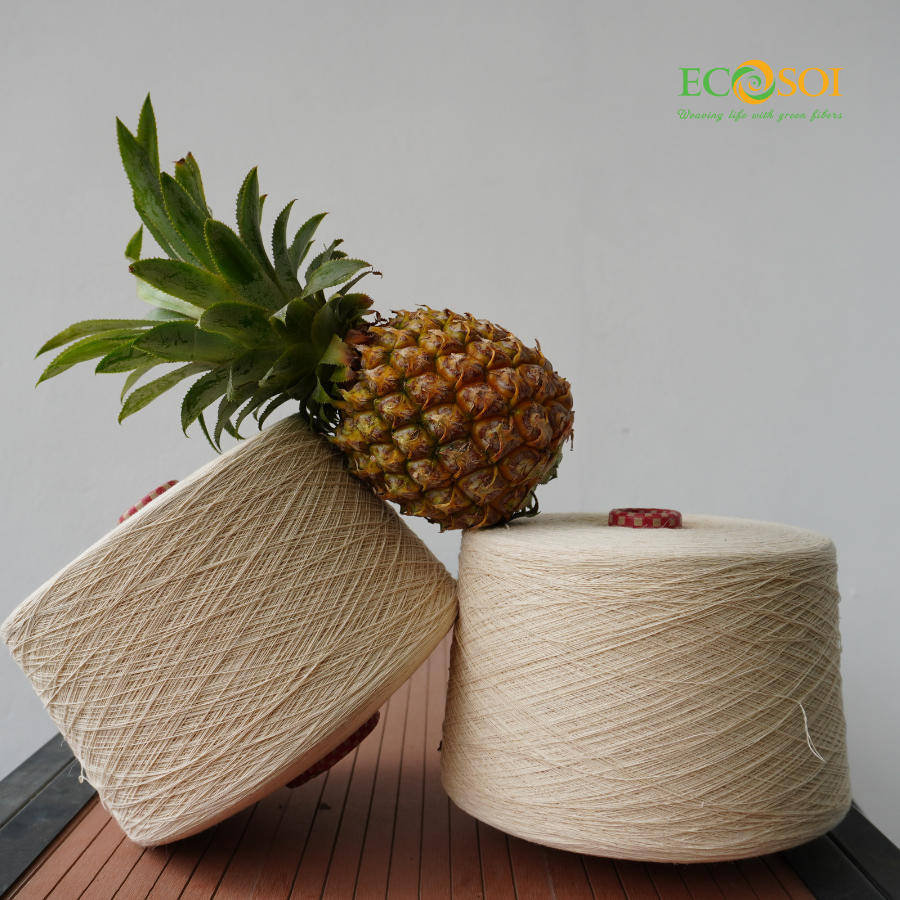
To meet these high standards, Ecosoi makes fine natural pineapple fiber from rich local farm fields.
Clean fiber scraping from fresh leaves
Ecosoi scrapes fresh pineapple leaves with simple machines. Next, workers soak the fiber in clean water to strip plant glue. The fiber dries under warm sunlight to keep its natural strength. This clean method uses no harsh bleaching chemicals.
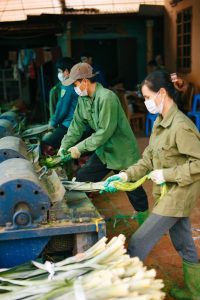
As a result, this process cuts smoke and gas from open leaf burning. Furthermore, it keeps local water and soil safe.
Wide range of products for business partners
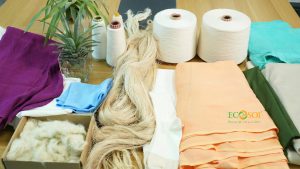
Ecosoi provides diverse items for modern eco-textile lines:
- Raw pineapple fiber (grades Q1, Q2, Q3) and carded fiber: Great for yarn mills, bio-leather, and craft goods.
- Blended pineapple yarns (counts 10Ne, 20Ne, 30Ne, 32Ne): Runs smoothly on standard weaving and knitting looms.
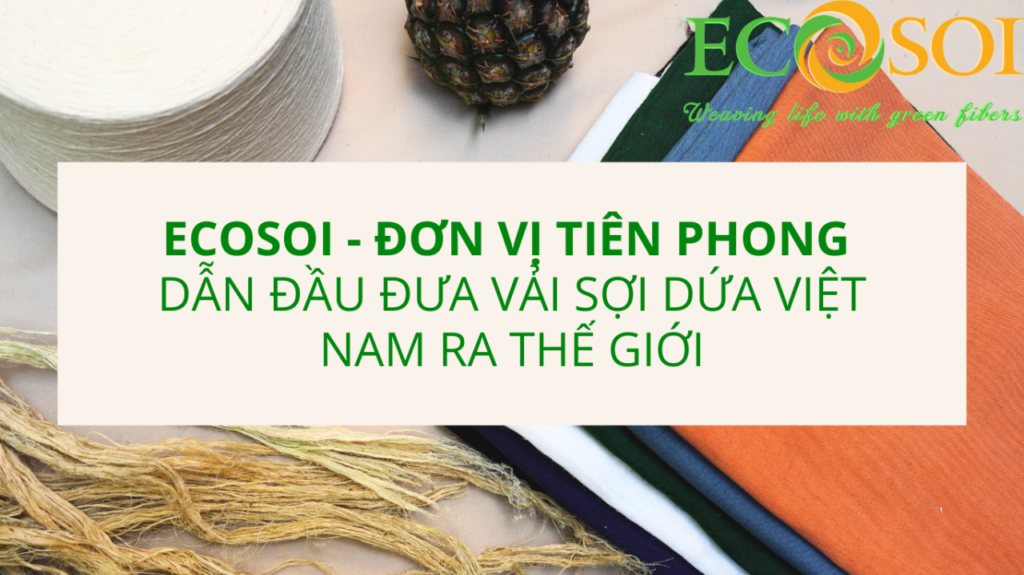
- Pineapple canvas, woven, and knit fabrics: Offers high durability and soft textures for apparel, bags, and home items.
Helping local farm families earn more
Beyond green goals, Ecosoi works hand in hand with farm co-ops. This project gives steady extra income to hundreds of farming homes. In addition, it helps keep local craft weaving skills alive.
What should brands note when picking green inputs?
To shift your supply line with ease, keep these 3 simple steps in mind:
- Test small fabric swatches: Check fabric shrink, color take-up, and loom fit before you make bulk buys.
- Ask for clear sources: Work directly with local makers to trace farm origins with ease.
- Share your real story: Tell your clean product story to buyers to build deep brand trust.
Conclusion
Learning the main criteria to evaluate green materials helps you make smart buying choices. Using natural goods like pineapple fiber does more than improve your line. In fact, it also drives real circular growth.
Is your business looking for high-grade pineapple fiber and green fabrics?
- Check our raw fiber and fabric types on the official Ecosoi Website
- Get quick help and wholesale quotes on the Ecosoi Facebook Page