 VIETNAMESE
IS PINEAPPLE FIBER FABRIC SUSTAINABLE IF NO ONE BUYS IT?
After harvest, pineapple leaves can become raw materials for the textile industry. But what if no one buys the fabric made from them?
This is an important question when we develop pineapple fiber fabric and other natural materials. Using farm waste can create new value. However, a useful raw material does not always lead to a useful product. So, how can a new material meet real needs and support the environment? This is also a challenge for material developers like Ecosoi.
Nội dung chính:
Is pineapple fiber fabric sustainable if no one buys it?
Using raw materials is only the first step
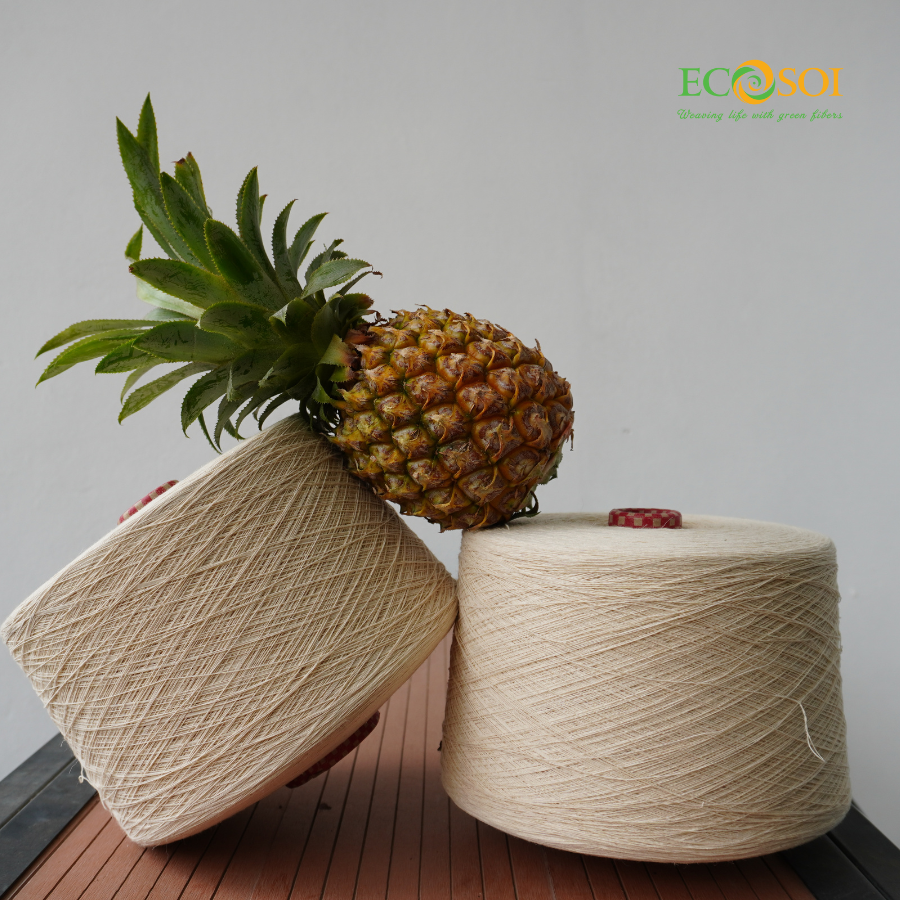
Pineapple leaves can provide fibers for textile production. These fibers may also have uses in other types of materials.
Instead of wasting these leaves, businesses can explore ways to use them. As a result, they may create new materials and supply chains. However, a natural origin does not automatically make a product eco-friendly.
Making fabric takes several steps. Workers extract the fibers, treat them, spin them into yarn, and make the fabric. These steps may use water, energy, or chemicals. Therefore, we need to look at the whole process before we judge its environmental impact. We may also need to study the product’s full life cycle.
Without buyers, long-term value is hard to maintain
Imagine a company that invests in machines and workers to develop pineapple fiber. If the material fails to meet customer needs, the company may struggle to keep production going. As a result, demand for pineapple leaves may become less stable. The chance to earn extra income from farm waste may also shrink.
However, an unsuccessful product trial is not always a waste. Research can still provide useful data. It may help improve the process or reveal other uses for the material. Research has value, but commercial success is a separate challenge. The two are linked, yet they are not the same.
Why can sustainable materials be hard to sell?
Consumers want useful products, not just green stories
When people buy clothes or fabric products, they often look at comfort, durability, design, and price. Environmental impact may also affect their choices. However, it cannot replace basic quality.
For example, a garment made from a new material may attract attention. But customers may not buy it again if the fabric feels uncomfortable, needs difficult care, or wears out too soon. Therefore, we should ask more than what a product is made from. We should also ask what need it meets and how well it meets that need.
Businesses need data before they use a material
B2B buyers must consider both technical needs and business costs. Fashion brands, garment factories, and sourcing teams need clear details about fiber content, fabric weight, width, and ease of processing.
They also need to know whether each batch meets the same standards. In addition, price and supply affect production plans. A fabric may work well in a sample but fail to meet the needs of a large order. Buyers should check this before they commit to bulk production.
Traceability records and certificates may also matter. However, buyers need to know the difference between a manufacturer’s claims and results from independent tests or certification bodies. Therefore, a new material must show that it works, meets market needs, and offers clear environmental value.
From pineapple leaves to pineapple fiber fabric: what needs to be done?
The material must suit its purpose
Pineapple leaf fiber comes from pineapple leaves. Researchers have studied its use in textiles and other materials. However, the fiber’s properties can vary with the leaves and the extraction method. For this reason, we should not assume that all pineapple fibers have the same softness, strength, or uses.
Each step needs careful control, from fiber extraction to yarn spinning and fabric making. In addition, manufacturers can blend pineapple fiber with cotton or other fibers to create materials for different uses.
The key is to identify the properties that the final product needs. We should judge a material by how well it suits its intended use, not treat it as a solution for every product.
Test samples before large-scale production
A fabric sample may meet the first set of requirements. However, it may still need tests under real production or use conditions. Businesses should check how well the fabric works in production. They should also review consistency, cost, and supply. Meanwhile, consumers need to consider comfort and care.
Therefore, testing samples before placing a large order can help reduce risk. Customer feedback can also show manufacturers what they need to improve. Not every new material needs to serve every market. In some cases, it makes more sense to focus on a few suitable products than to push the material into too many uses.
Ecosoi and the challenge of bringing pineapple fiber to market
For Ecosoi, developing pineapple fiber means more than finding a use for pineapple leaves. The company also needs to find suitable ways to bring the material into production and daily life.
Business customers should start with their actual needs. These may include fiber content, technical details, order size, and intended use. They should also discuss samples, supply capacity, and the data available for checking the material. This helps buyers make informed choices before placing larger orders.
Explore the Ecosoi pineapple fiber product range to learn about the available options. Consumers should also choose products based on their materials, purpose, and needs. A product is not automatically better just because its name refers to nature.
A new material has value when it meets real needs, not simply because it uses an unusual raw material.
How can sustainable materials gain market acceptance?
Start with customer needs
Before developing a product, businesses need to know who will use it and what those customers need. For business buyers, this may mean a fabric that suits a design, a steady supply, or clear information about the raw materials. For consumers, design, price, durability, and care all play a role.
Therefore, businesses can test the market on a small scale before making large investments. Real feedback helps them check their ideas. It is more useful than simply assuming that people want greener products.
Share facts instead of making green claims
Businesses should explain what a product contains, where its materials come from, and how it performs. They also need evidence to support claims about environmental benefits.
A product does not become sustainable just because its marketing sounds appealing. If a product has a certificate, businesses should explain what it covers and whether it remains valid. If it has no such certificate, they should not suggest that an independent body has verified it. In addition, clear care instructions and durability information help customers use products well. This information also supports better buying decisions.
Improve products with real feedback
Why are customers not buying a product? Is the price too high? Do they lack key information? Does the material fail to meet their needs? Can it meet technical standards? Is the supply steady? These questions help businesses find areas for improvement. For example, they may change the fiber blend, design, specifications, or intended use.
Furthermore, repeat purchases, customer feedback, and product defect rates can provide useful data. Together, these measures help businesses judge whether a product has real market potential.
Does buying a green product mean living sustainably?
Not always. A product made from natural materials can still go to waste if people rarely use it or throw it away too soon. Therefore, choosing a material is only part of the picture. How often people use a product and how long it lasts also matter.
Consumers can start with a few simple steps:
- Check the fiber content instead of relying only on the material’s name.
- Choose products that meet real needs and can serve them over time.
- Follow care instructions to help prevent early damage.
- Repair or reuse a product if it still meets your needs.
Businesses should also weigh quality, cost, supply, and environmental evidence. This approach helps them avoid choices based only on trends.
Does using agricultural by-products still matter?
Yes, but we need to understand its limits. Using pineapple leaves can create new ways to use farm waste and develop materials. However, long-term value depends on meeting real needs and keeping the supply chain viable.
A new fabric does not need to appeal to everyone. Instead, businesses should find suitable uses, show that the material meets quality needs, and improve it based on feedback. This is also a challenge for Ecosoi and other companies that develop materials from natural sources. Using raw materials is the first step. Turning them into useful products is the next.
Are you looking for pineapple fiber or natural textile materials for your products?
- For business customers: Explore the Ecosoi pineapple fiber product range and contact the team to discuss material options and sample needs.
- For consumers: Visit the Ecosoi website to learn more about its products and approach to material development.