 VIETNAMESE
How Does the Fashion Industry Impact the Environment?
Amid rapid advancements in technology, digital platforms, and commerce, the fashion industry has also achieved remarkable progress in production and trade. However, this growth comes at a significant environmental cost.
Each year, the fashion industry contributes 10% of global CO2 emissions, consumes 93 billion cubic meters of water, and generates 92 million tons of waste. Shockingly, it takes 12 years to recycle the waste generated by the industry in just 24 hours.
Did you know that up to 60% of our clothing is made from polyester or plastic? These microplastics infiltrate water, soil, and the food chain, endangering wildlife and human health. According to the United Nations, the fashion industry is the second-largest polluter after the oil industry, with its waste exceeding the combined annual waste of airplanes and ships. Beneath the glamour, the industry has a profoundly negative impact on the environment:
Key Environmental Impacts:
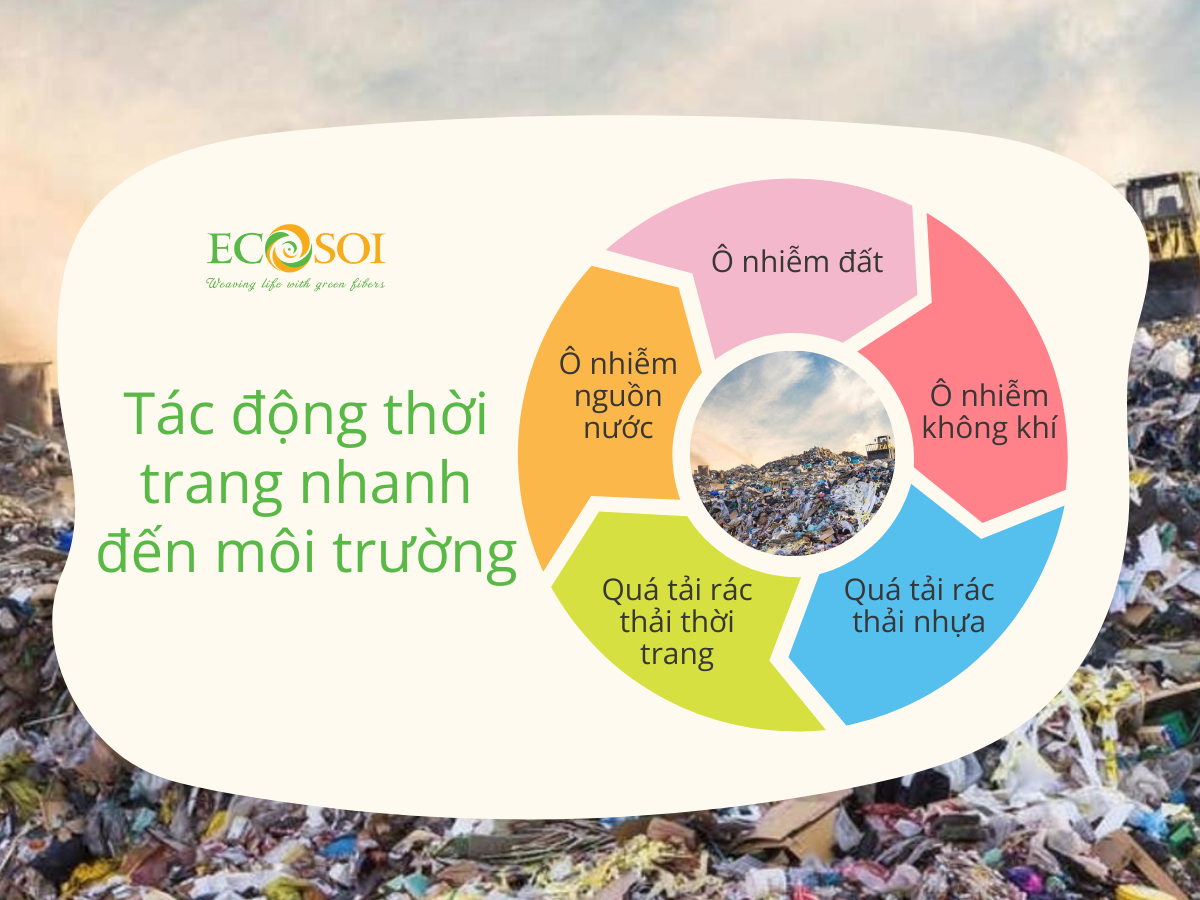
- Water Pollution:
- Producing a single cotton T-shirt requires 2,700 liters of water, while a pair of jeans consumes 7,000 liters, despite the growing global water crisis.
- Untreated wastewater from dyeing processes, laden with heavy metals and organic-inorganic additives, contaminates water systems.
- Soil Pollution:
- Improperly treated waste damages soil ecosystems, harming biodiversity and disrupting ecological balance.
- Air Pollution:
- Industrial processes release microplastic particles and greenhouse gases, significantly contributing to air pollution and climate change.
- Greenhouse Gas Emissions:
- Synthetic materials like polyester and plastic exacerbate global warming and ozone depletion during production.
- Waste Generation:
- An estimated 8 million tons of plastic waste enter the oceans annually, with 35–60% originating from the fashion industry.
- Fashion contributes to global plastic pollution, producing 92 tons of plastic waste each year. In Vietnam, 5–7% of urban waste is from fashion, with 90% of materials being non-recyclable.
Sustainable Choices for a Cleaner Future:
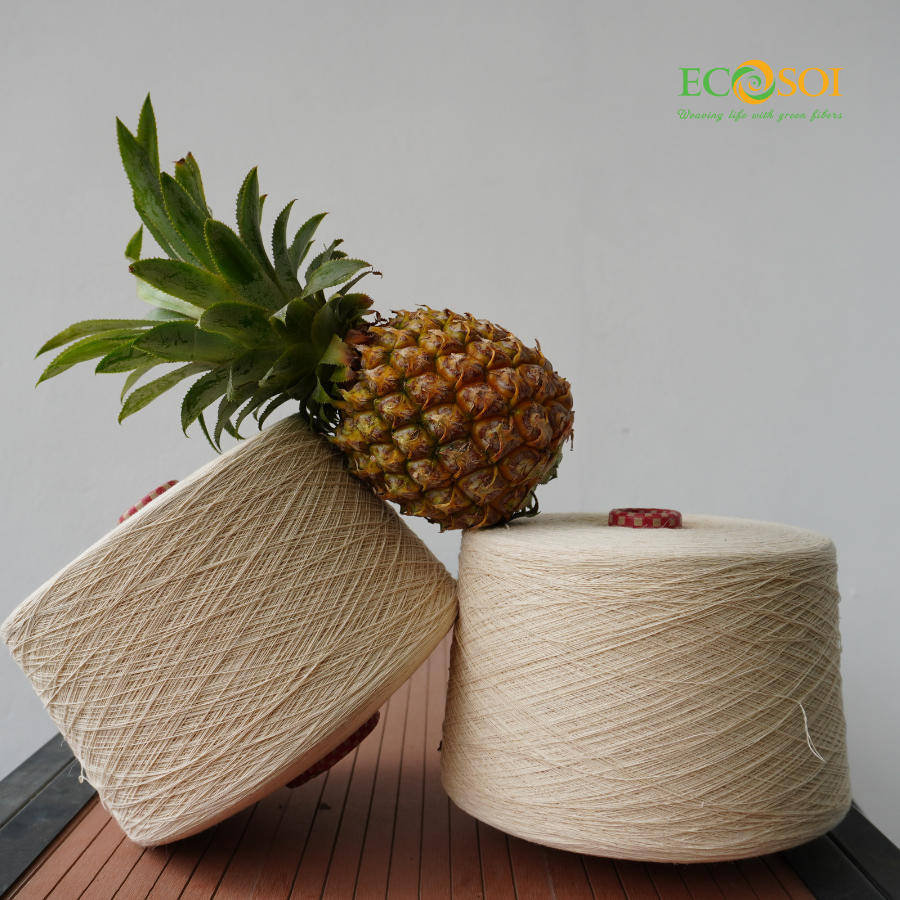
The rapid growth of fashion and consumer shopping habits has left a lasting environmental footprint. To mitigate this, opt for natural fiber products like pineapple, flax, or banana fibers instead of non-recyclable materials. Choosing eco-friendly products plays a vital role in protecting the environment. Be a conscious consumer and make thoughtful choices.