 VIETNAMESE
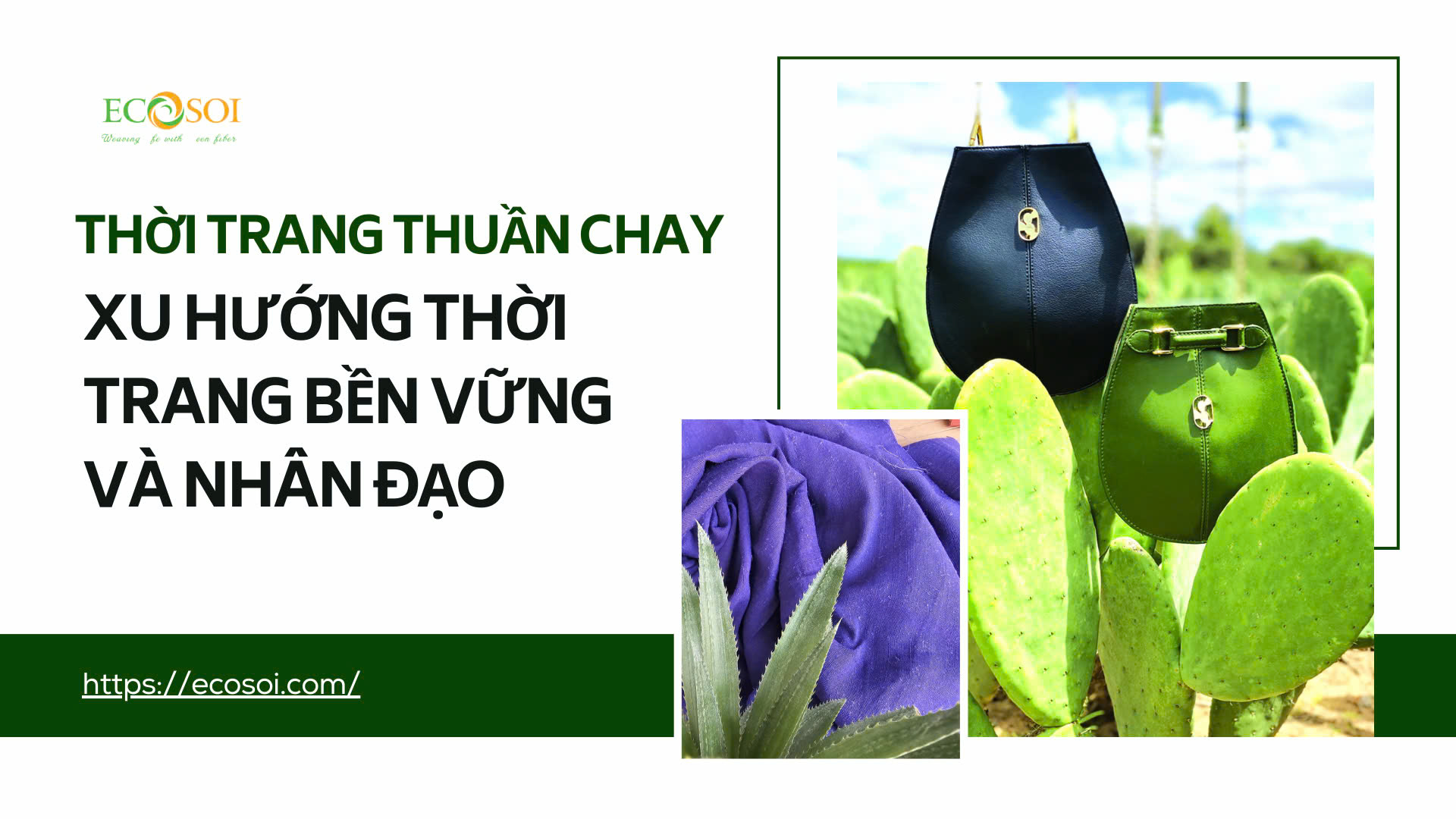
Vegan Fashion – The Sustainable and Humane Fashion Trend
Nội dung chính:
What is Vegan Fashion?
Vegan fashion is a revolutionary trend in the fashion industry, emphasizing the use of materials that do not originate from animals. This includes avoiding leather, fur, wool, silk, and any other animal-derived products. Instead, vegan designers and manufacturers rely on alternatives like organic cotton, bamboo fibers, pineapple fibers, and other recycled materials.
Characteristics of Vegan Fashion
Eco-Friendly Materials
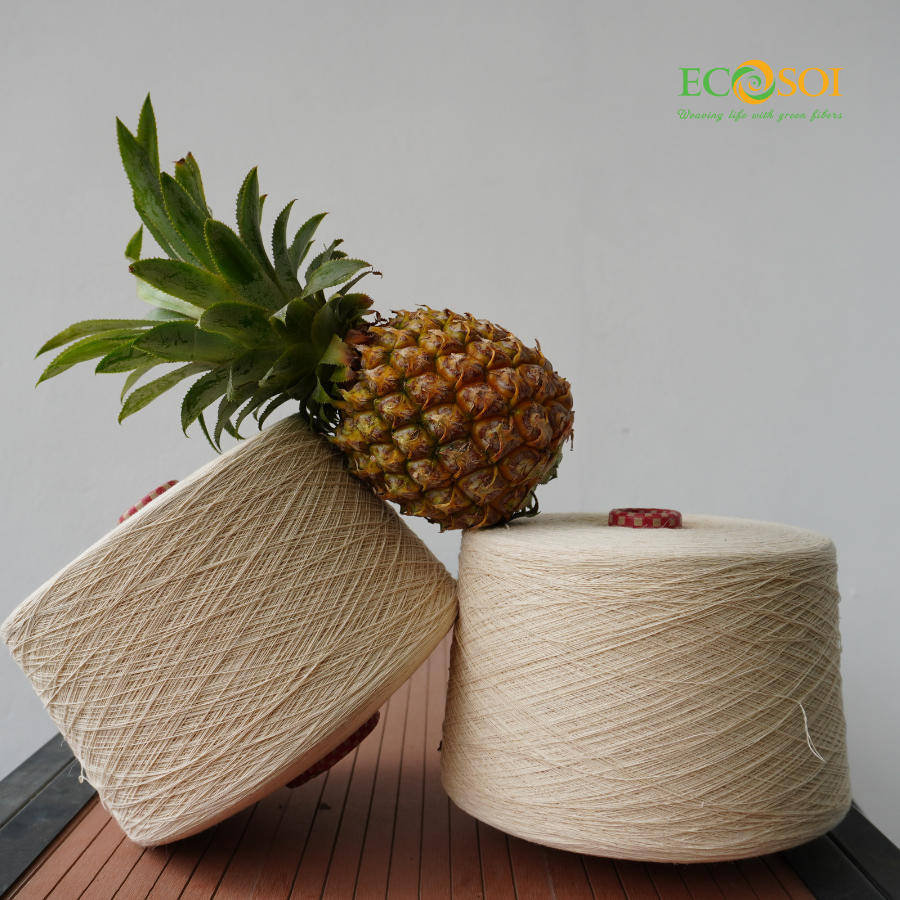
Vegan fashion utilizes plant-based or recycled materials. For instance, Piñatex (pineapple fiber) is made from pineapple leaves, a by-product of the food industry, effectively reducing waste. Organic cotton is widely used because it’s grown sustainably without harmful chemicals. Other vegan fibers include bamboo, banana, and hemp.
No Animal Testing
A fundamental feature of vegan fashion is the commitment to avoid animal testing. This ethos extends beyond clothing to include beauty and personal care products associated with the fashion industry.
Diverse and Modern Designs
Vegan fashion not only protects animals and the environment but also emphasizes aesthetics and variety. From casual wear to high-end collections, vegan fashion offers modern, stylish designs that cater to a wide range of tastes.
Benefits of Vegan Fashion
Animal Protection
Vegan fashion minimizes the exploitation and harm of animals for raw materials. This approach helps prevent species extinction and alleviates animal suffering.
Environmental Conservation
By using eco-friendly materials, vegan fashion reduces pollution and its environmental footprint. For example, producing animal leather generates CO2 emissions, consumes large amounts of water, and pollutes water sources.
Health Benefits
Vegan fashion products are often free of harmful chemicals, making them safer for consumers. Natural materials reduce the risk of skin allergies and other dermatological issues.
Challenges of Vegan Fashion
Higher Costs
Vegan fashion often comes with a higher price tag compared to traditional products due to the cost of producing sustainable materials and the complexity of production processes.
Material Limitations
While excellent alternatives exist, they may not always match animal-derived materials in durability or comfort. For instance, vegan leather may lack the breathability and longevity of traditional leather.
Availability
Vegan fashion items are not always readily available in mainstream fashion stores, requiring consumers to explore specialty shops or online retailers.
Popular Vegan Fashion Materials
Linen: Made from flax plant stems, linen is durable, moisture-absorbent, and environmentally friendly.
Organic Cotton: Grown without pesticides or harmful chemicals, organic cotton ensures safety for users and the environment.
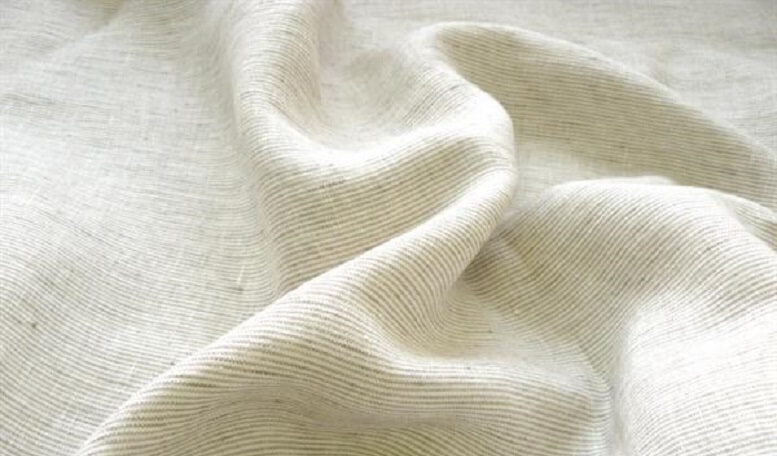
Tencel: Derived from eucalyptus wood pulp, Tencel is soft, breathable, and biodegradable.
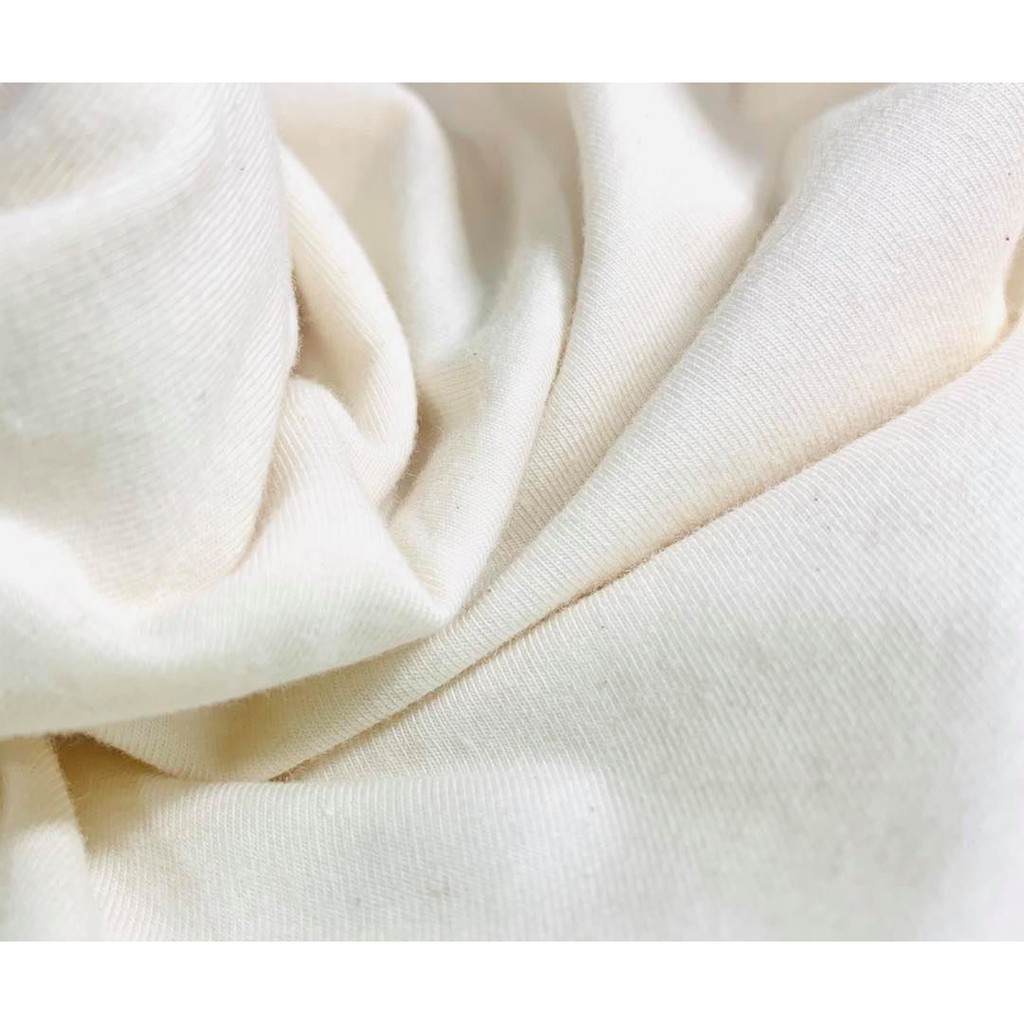
Bamboo Fabric: Produced from bamboo pulp, this material has natural antibacterial properties and is eco-friendly.
Piñatex (Pineapple Leather): Made from pineapple leaves, this sustainable leather alternative mimics the appearance of real leather.
Apple Leather: Created from apple pomace after juicing, apple leather is a sustainable substitute for animal leather.
Grape Leather: Made from grape waste, a by-product of the wine industry in Italy.
Cactus Leather: Produced from cactus waste by Desserto (Mexico), it thrives in harsh conditions and is an innovative, sustainable option.
Conclusion
Vegan fashion is an inspiring trend in today’s fashion industry. Despite certain limitations, its benefits for animals, the environment, and human health are substantial. With advancements in technology and growing consumer awareness, vegan fashion is set to flourish, becoming a top choice for those pursuing a sustainable and compassionate lifestyle.