 VIETNAMESE
Comparing Natural and Synthetic Fibers
l;Natural and synthetic fibers are fundamental materials in the fashion and textile industries, sparking debates among consumers and manufacturers alike. Deciding between the two for clothing or other applications remains a common question, often unanswered due to a lack of clarity about their properties and benefits. In this article, Ecosoi provides a comprehensive comparison of these two fiber types to help you make informed choices.
Nội dung chính:
Definitions
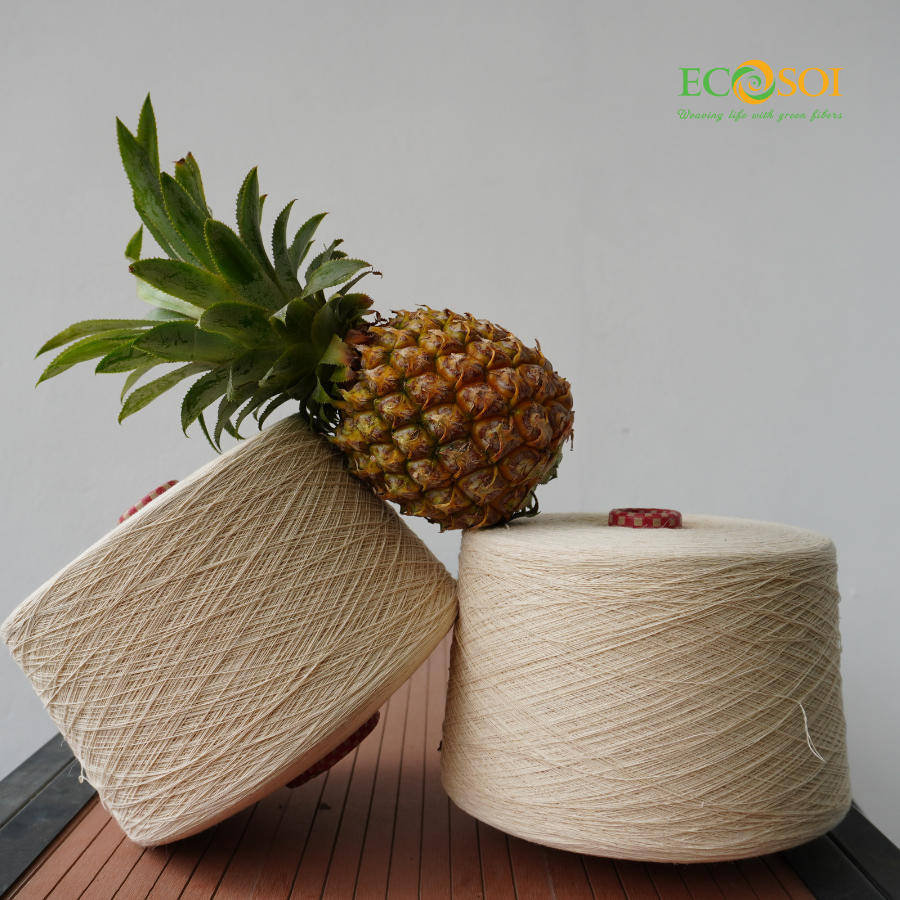
- Natural Fibers: Derived from natural sources such as cotton, flax, silk, wool, or plant-based fibers like pineapple leaves.
- Synthetic Fibers: Produced from chemical substances like polyester, nylon, viscose, and acrylic through industrial manufacturing processes.
Fabric Properties
- Natural Fibers: Known for creating breathable, moisture-absorbing fabrics like cotton, linen, silk, and wool. These materials offer a natural feel and are comfortable for daily wear.
- Synthetic Fibers: Commonly used to produce durable, wrinkle-resistant, and shape-retaining fabrics such as polyester, nylon, and acrylic, ideal for high-performance or low-maintenance needs.
Production Processes
- Natural Fibers: Extracted from plants or animals, often involving environmentally friendly processes like silk production or cotton harvesting.
- Synthetic Fibers: Manufactured using chemical and industrial methods, typically from petroleum, coal, or plant cellulose.
Maintenance
- Natural Fibers: Require careful storage to avoid moisture damage like mold and mildew. Some may shrink when exposed to water.
- Synthetic Fibers: Generally easier to maintain, resistant to wrinkles, and less prone to water damage, making them more durable in humid environments.
Applications
- Natural Fibers: Commonly used in daily clothing, bedding, and insulation products due to their softness and thermal properties.
- Synthetic Fibers: Widely applied in apparel, accessories, household items, and industrial products. They are especially popular in sportswear and waterproof products.